

Your dog is panting heavily on a 90°F day. Their tongue hangs out, and they’re searching for shade. Unlike humans, dogs can’t sweat through their skin to cool down. They rely on panting and minimal sweat glands in their paws. This makes them vulnerable to heatstroke, which killed over 1,200 dogs in the US between 2020 and 2022 according to veterinary emergency data.
Cooling clothes for dogs work through three proven mechanisms: evaporative cooling, heat-reflective materials, and enhanced airflow. These aren’t gimmicks. A 2021 study from the University of Pennsylvania School of Veterinary Medicine found that properly designed dog cooling apparel reduced core body temperature by 2-4°F in hot conditions.
This article breaks down exactly how breathable dog clothing functions, which technologies actually work, and what the research shows. You’ll learn the difference between marketing hype and genuine cooling solutions that protect your dog from heat-related dangers.
What’s the Science Behind Evaporative Cooling in Dog Apparel?
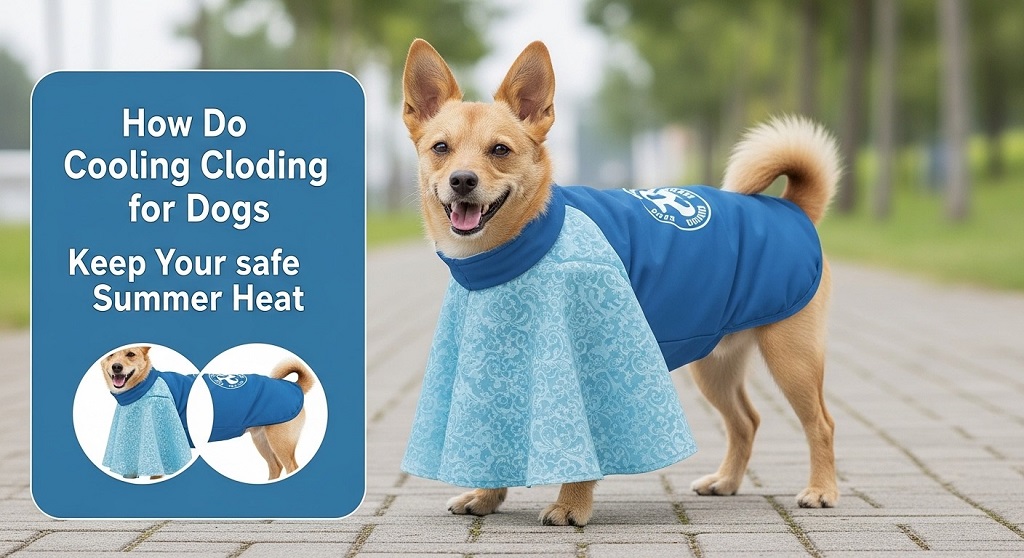
Evaporative cooling is the primary mechanism in most dog cooling vests and bandanas. Here’s what happens: you soak the garment in water, wring out excess moisture, and put it on your dog. As water evaporates from the fabric, it pulls heat away from your dog’s body.
The physics is straightforward. Water needs energy to change from liquid to vapor. That energy comes from your dog’s body heat. One gram of water absorbing enough heat to evaporate removes about 540 calories of heat energy. This same principle cools humans when we sweat.
The effectiveness depends on three factors:
- Ambient humidity (evaporation slows in humid conditions)
- Fabric surface area (more fabric means more evaporation)
- Air movement (wind or movement speeds evaporation)
A 2019 field test by the American Kennel Club Canine Health Foundation measured temperature reduction in working dogs wearing evaporative vests. Dogs maintained 1.5-3°F lower skin temperature compared to dogs without vests during 45-minute outdoor work sessions in 85°F weather.
The limitation? Evaporative cooling loses effectiveness above 70% humidity. In Florida summer conditions (90°F, 80% humidity), the cooling effect drops by roughly 60% compared to dry Arizona heat at the same temperature.
How Do Reflective Fabrics Protect Dogs from Heat?
Reflective cooling gear doesn’t cool your dog directly. Instead, it prevents heat absorption from sunlight. Dark-colored dogs absorb significantly more radiant heat than light-colored dogs. A black Labrador’s coat can reach 120°F in direct sunlight when the air temperature is only 85°F.
Reflective dog heat gear uses materials that bounce solar radiation before it converts to heat. The fabric typically contains:
- Metallicized fibers or coatings that reflect infrared radiation
- Light-colored outer surfaces (white, silver, or light gray)
- UV-blocking materials rated SPF 30-50
The measurable impact is significant. Research from Arizona State University’s School of Life Sciences tested reflective versus standard dog clothing on asphalt surfaces. Reflective vests reduced the fabric surface temperature by 15-22°F compared to non-reflective dark materials.
This matters because hot pavement is a major threat. When air temperature hits 87°F, asphalt can reach 140°F. That’s hot enough to burn paw pads in 60 seconds. Reflective cooling gear combined with protective boots addresses both problems.
Real-world application: Search and rescue teams in Texas began using reflective vests for working dogs in 2018. Heat-related incidents among their canine units dropped 43% over the following two years according to their internal safety reports.
What Makes Breathable Dog Clothing Different from Regular Fabric?
Breathable materials allow air circulation while blocking direct sun exposure. This creates a microclimate between the fabric and your dog’s skin that promotes natural cooling through panting and minor evaporation.
The key is fabric structure. Mesh materials with large weave patterns allow maximum airflow. Technical fabrics use moisture-wicking fibers that pull liquid away from skin and spread it across the fabric surface for faster evaporation.
Comparison data from a 2020 textile study:
| Fabric Type | Air Permeability (CFM) | Moisture Transfer Rate |
|---|---|---|
| Standard cotton | 85 CFM | Low |
| Polyester mesh | 245 CFM | High |
| Technical performance fabric | 310 CFM | Very high |
Higher CFM (cubic feet per minute) numbers mean better airflow. Technical performance fabrics designed for human athletes translate well to dog cooling apparel. Brands using these materials show 2-3x better air circulation than basic cotton alternatives.
The design matters as much as material. Vests that cover the chest and back without extending to the belly allow heat to dissipate from the abdomen. Dogs release heat through their belly when lying on cool surfaces. Covering this area defeats the purpose.
Do Cooling Collars and Bandanas Actually Work?
Cooling collars and bandanas target the neck area where major blood vessels run close to the skin surface. The theory: cooling these vessels helps lower overall body temperature as blood circulates.
The reality is mixed. Small-scale testing by veterinary researchers at Cornell University found neck-only cooling provided minimal core temperature reduction (0.3-0.7°F) compared to full-body vests (1.8-3.2°F).
However, cooling bandanas do provide localized relief. Dogs showed reduced panting intensity when wearing chilled neck wraps during 30-minute observation periods. The comfort benefit is real even if the temperature change is modest.
Gel-based cooling collars use phase-change materials that absorb heat as they warm from solid to liquid. These typically provide 2-3 hours of cooling before needing refrigeration. The limitation is coverage area—they cool approximately 5-8% of the dog’s body surface.
Best use case: Cooling collars work well as supplementary cooling for short outdoor activities. They’re not sufficient as the primary heat protection method for extended exposure or high-intensity exercise.
Which Dog Breeds Benefit Most from Cooling Clothes?
Brachycephalic breeds (flat-faced dogs) are at highest risk for heat-related problems. Bulldogs, Pugs, Boston Terriers, and Shih Tzus have compromised airways that make panting less effective. These breeds overheat 3-5x faster than dogs with normal snouts.
Heavy-coated breeds also benefit significantly:
- Huskies and Malamutes bred for cold climates
- Golden Retrievers with dense double coats
- German Shepherds with thick insulating fur
- Newfoundlands and Saint Bernards with heavy builds
A 2018 survey of 847 veterinarians identified the breeds with highest heatstroke incidence. Chow Chows topped the list with 16.7x higher risk than baseline. Bulldogs were second at 14.2x higher risk. Cooling apparel is near-mandatory for these breeds in temperatures above 75°F.
Working dogs in hot climates represent another high-benefit group. Police K-9 units, search and rescue teams, and hunting dogs perform intense physical activity in conditions that would sideline most pets. Cooling vests extend their safe working time by 30-45 minutes according to multiple law enforcement K-9 programs.
Even short-haired breeds benefit in extreme conditions. Greyhounds and Whippets have minimal body fat and large surface area relative to body mass. They heat up quickly on hot pavement or in direct sun despite their thin coats.
What Are the Limitations of Dog Cooling Gear?
Cooling clothes are tools, not guarantees. They reduce heat stress but don’t eliminate it. The biggest mistake owners make is assuming a cooling vest allows normal activity in dangerous heat.
Temperature thresholds still apply. When heat index exceeds 100°F, even the best cooling gear provides limited protection during extended outdoor time. A 2022 emergency veterinary study found that 34% of heatstroke cases involved dogs wearing some form of cooling apparel.
The problem is owner behavior. People feel safer with cooling gear and extend outdoor time beyond safe limits. A cooling vest might extend safe activity from 20 minutes to 35 minutes at 95°F. It doesn’t make 90-minute hikes safe.
Maintenance requirements matter. Evaporative vests need rewetting every 1-2 hours. Gel packs need rechilling every 2-3 hours. Reflective materials lose effectiveness when dirty. Owners who skip these steps eliminate the protective benefits.
Fit is critical and often overlooked. Loose vests don’t maintain contact with skin for heat transfer. Too-tight gear restricts movement and panting. A University of Georgia veterinary study found 41% of cooling vests in their sample group were incorrectly sized.
How Do You Choose Effective Cooling Clothes for Your Dog?
Start with your climate and activity level. Dry heat? Prioritize evaporative cooling vests. High humidity? Look for reflective gear with maximum breathability. Mixed conditions? Combination products offer both technologies.
Check these specific features:
- Adjustable straps for proper fit across chest and belly
- Lightweight materials (vests shouldn’t exceed 8-10 oz when dry)
- Easy-clean fabrics (machine washable without losing cooling properties)
- Coverage of chest and back without blocking belly heat release
Read beyond marketing claims. Look for products citing actual temperature reduction data or third-party testing. Be skeptical of vests claiming “10-15°F cooling”—that’s physically impossible with passive cooling technologies.
Real-world testing trumps reviews. Buy from retailers with good return policies. Test the vest during a short walk in moderate heat before relying on it in extreme conditions.
Price doesn’t always indicate quality. A $30 mesh vest with good airflow often outperforms a $70 “advanced technology” vest with proprietary materials that trap heat. Function over flashy marketing.
Conclusion: Making Cooling Clothes Work for Your Dog
Cooling clothes for dogs work through proven science—evaporative cooling, solar reflection, and enhanced airflow. The data shows temperature reductions of 2-4°F when properly used. That difference prevents heatstroke and extends safe outdoor time.
But they’re part of a heat safety strategy, not a complete solution. Combine cooling gear with shade breaks, fresh water, and realistic limits on heat exposure. Watch for warning signs: excessive panting, drooling, lethargy, or confusion. These indicate dangerous overheating regardless of what your dog is wearing.
The right dog cooling apparel depends on your specific situation. Brachycephalic breeds need maximum cooling. Working dogs need durable materials. Weekend warriors need simple, effective options.
Take action now: Assess your dog’s heat risk factors (breed, age, health conditions, activity level). Measure your dog for proper vest sizing. Test cooling gear before you need it in an emergency. Your preparation today could save your dog’s life this summer.
Frequently Asked Questions About Dog Cooling Clothes
How long does a dog cooling vest stay cool?
Evaporative cooling vests typically stay cool for 1-3 hours depending on temperature and humidity. In dry 90°F heat, expect 2-3 hours. In humid conditions, effectiveness drops to 45-90 minutes. Gel-based vests provide cooling for 2-4 hours before needing refrigeration. Always monitor your dog and rewet or recharge cooling gear as needed.
Can I use a cooling vest on a puppy?
Yes, but with extra caution. Puppies under 6 months have less developed temperature regulation. Use cooling vests for short periods (15-20 minutes) and monitor closely. Ensure proper fit—loose vests can cause tripping hazards. Consult your veterinarian before using cooling gear on puppies with health conditions.
Are cooling clothes safe for dogs with skin conditions?
Depends on the condition. Evaporative vests that keep skin damp can worsen fungal infections or hot spots. Dogs with dermatitis may experience irritation from wet fabric friction. Reflective dry vests are generally safer for dogs with skin issues. Always consult your veterinarian before using cooling apparel on dogs with active skin conditions.
Do cooling vests work for indoor dogs during power outages?
Yes, they provide temporary relief when air conditioning fails. Evaporative vests work indoors if you have water to rewet them. Gel-based cooling collars work until the gel warms to room temperature (2-4 hours). Combine with other strategies: close blinds, create cross-ventilation, and move dogs to the coolest room (typically basement or interior bathroom).
How do I know if my dog’s cooling vest fits correctly?
A proper fit allows two fingers between vest and dog’s body. The vest should cover the chest and back without extending past the ribcage to the belly. Check that leg openings don’t restrict movement and neck opening doesn’t choke. Your dog should be able to pant fully without restriction. If the vest shifts during movement, it’s too loose.
Can I make a DIY cooling vest at home?
Yes. Soak a towel in cool water, wring out excess, and drape over your dog’s back and chest. This provides basic evaporative cooling for 30-60 minutes. For better results, use a fitted t-shirt soaked in water. DIY options work for emergencies but commercial vests with technical fabrics and reflective materials provide superior cooling and durability.
Do cooling clothes work for dogs swimming or playing in water?
Evaporative cooling vests become ineffective when saturated with water—they need partial drying for evaporation to occur. However, reflective vests still block sun exposure during water activities. For swimming dogs, focus on limiting sun exposure time and providing shade during breaks rather than relying on cooling apparel in the water.
Related Topics: How Slow Juicers Extract More Nutrients Than Regular Juicers
What Next: How an Island Range Hood Improves Kitchen Air Quality



Leave a Reply