

Learning to skateboard represents a significant milestone in childhood development. Parents often wonder how choosing the right board impacts their child’s ability to learn and stay safe. Understanding the relationship between skateboard design and balance development helps families make informed decisions when introducing children to this popular activity.
The Foundation of Skateboard Stability
Skateboard stability starts with the board’s construction and components. The deck width, wheel size, and truck configuration all work together to create a platform that either supports or challenges a young rider’s developing balance skills. When children first step onto a skateboard, their bodies immediately begin processing new sensory information about weight distribution and movement.
Young riders need equipment that matches their physical capabilities. A stable platform allows children to focus on fundamental movements without fighting against their equipment. This supportive environment encourages confidence and reduces the fear that often accompanies learning new physical skills.
Understanding Truck Width and Its Impact
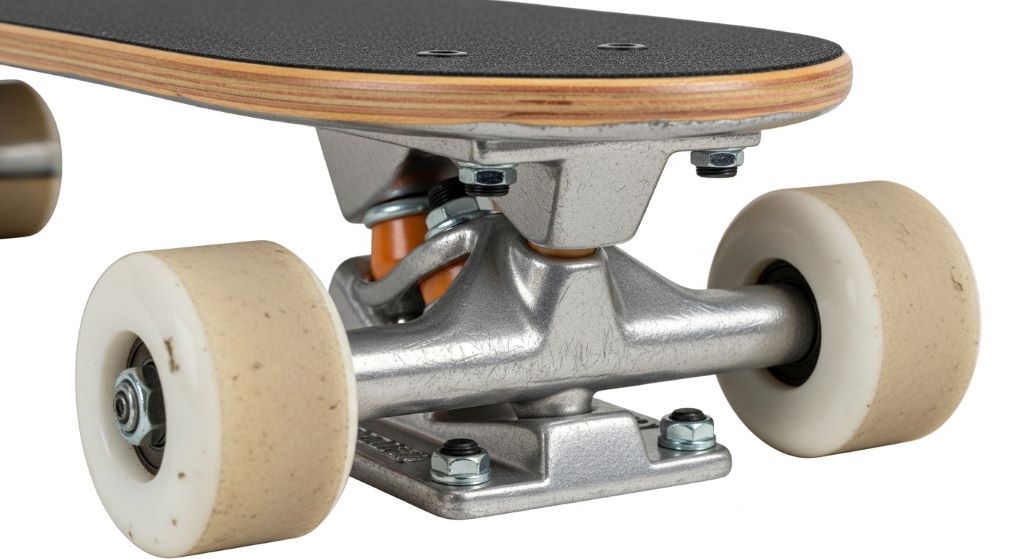
The trucks are the metal components that connect wheels to the deck. Their width plays a crucial role in how stable a skateboard feels under a rider’s feet. Wide trucks skateboard designs provide a broader stance, which naturally increases the base of support for young learners.
Think of it like standing with your feet far apart versus close together. A wider stance makes balancing easier because it creates more surface area contact with the ground. Similarly, wider truck configurations give children more room to shift their weight without tipping over. This mechanical advantage proves especially valuable during the early learning stages.
However, width alone doesn’t guarantee success. The relationship between truck width and deck width must be proportional. Trucks that extend too far beyond the deck create unnecessary complications, while trucks that are too narrow limit the stability benefits children need.
How Balance Development Works in Children
Children develop balance through a complex process involving their vestibular system, proprioception, and visual feedback. The vestibular system in the inner ear detects head position and movement. Proprioception helps the body understand where limbs are in space. Visual input provides context about the environment and movement direction.
Skateboarding challenges all three systems simultaneously. When a child stands on a moving board, their brain must integrate information from each system to maintain upright posture. This integration happens faster with practice, which is why repetition matters so much in skill development.
A balance skateboard setup that provides appropriate stability allows children to practice these integration skills without overwhelming their developing nervous systems. Too much instability can trigger fear responses that shut down learning. The right amount of challenge, supported by stable equipment, creates the ideal environment for growth.
Age-Appropriate Skateboard Selection
Different ages require different approaches to skateboard stability. Toddlers and preschoolers, typically ages three to five, benefit most from very stable platforms. Their balance systems are still maturing, and their muscles are developing strength and coordination. Boards designed for this age group often feature wider decks and trucks that prioritize stability over maneuverability.
Elementary-age children, roughly six to ten years old, can handle slightly less stable configurations as their balance improves. Their proprioceptive awareness becomes more refined, allowing them to make subtle adjustments while riding. Additionally, their increased muscle strength supports more dynamic movements.
Preteens and teenagers continue developing balance sophistication that allows for narrower, more responsive setups. Nevertheless, beginners in any age group should start with stable configurations regardless of their chronological age. Previous experience with balance activities like biking or scootering can influence appropriate equipment choices.
The Role of Deck Design in Stability
Deck width directly affects how stable a skateboard feels. Wider decks provide more surface area for feet, making it easier for children to find a comfortable stance. This extra room reduces the pressure to position feet perfectly, which helps beginners relax and focus on movement rather than foot placement.
Deck length also contributes to stability. Longer decks generally feel more stable because they distribute weight over a greater area. The wheelbase, which is the distance between the front and rear trucks, increases with deck length. A longer wheelbase makes the board less likely to tip forward or backward during stops and starts.
Concave, the curved shape across the deck’s width, influences how securely feet grip the board. Moderate concave helps children feel connected to their board without creating pressure points that cause discomfort. Too much concave can actually reduce stability for young riders by forcing their feet into unnatural positions.
Wheel Characteristics and Their Effect on Balance
Wheel size and hardness significantly impact how a skateboard moves and feels. Larger wheels roll more smoothly over cracks and bumps, reducing unexpected jolts that can throw off a young rider’s balance. This smooth rolling quality helps children maintain control and builds confidence in their ability to handle varied terrain.
Softer wheels absorb more vibration and provide better grip, both of which contribute to stability. Young learners benefit from this forgiving quality because it reduces the number of variables they must manage while learning. Harder wheels, while faster, require more precise balance control that developing riders often lack.
The relationship between wheel size and board height matters too. Larger wheels raise the deck higher off the ground, which can make pushing more difficult for shorter children. Therefore, finding the right balance between wheel size benefits and practical usability requires considering the individual child’s height and leg length.
Creating a Progressive Learning Environment
Introducing skateboarding should follow a progressive approach that matches equipment to skill level. Starting with maximum stability allows children to master basic balance before advancing to more challenging setups. This progression builds a strong foundation that supports long-term skill development.
Parents can support this progression by observing their child’s confidence and control. Signs that a child has outgrown their current setup include consistent control during turns, comfortable pushing speeds, and requests for more responsive equipment. Conversely, frequent falls, hesitation, or fear indicate that the current setup might be too challenging.
The environment where children practice also affects how stability impacts learning. Smooth, flat surfaces like empty parking lots or tennis courts provide ideal conditions for beginners. These controlled environments remove external variables, allowing children to focus purely on developing balance skills.
Safety Considerations and Protective Equipment
Stability reduces fall risk, but protective equipment remains essential for young skateboarders. Helmets protect against serious head injuries, while knee and elbow pads cushion impacts during inevitable tumbles. Wrist guards prevent common hand and wrist injuries that occur when children instinctively reach out to break falls.
Proper protective equipment actually supports balance development by reducing fear. Children who feel protected are more willing to experiment with weight shifts and movement patterns. This experimentation is crucial for developing the intuitive understanding of balance that skilled riders possess.
Teaching children to fall safely complements equipment choices. Learning to roll, keep limbs bent, and avoid outstretched hands reduces injury severity when falls occur. These skills become increasingly important as children progress to less stable setups and attempt more advanced maneuvers.
Common Mistakes Parents Make
Many parents choose skateboards based on appearance rather than functionality. Flashy graphics and popular brands don’t guarantee appropriate stability for young learners. Similarly, buying a board the child can “grow into” often means starting with equipment that’s too challenging for current skill levels.
Another common mistake involves confusing skateboard types. Trick boards designed for skateparks have different stability characteristics than cruisers or longboards. Young children learning basic balance typically fare better with cruiser-style boards that prioritize stability and smooth rolling.
Skipping the progression process can also hinder development. Some parents push children toward standard trick boards too quickly, assuming faster advancement to “real” skateboarding. However, this approach often creates frustration and fear that can turn children away from the activity altogether.
Building Confidence Through Appropriate Equipment
Confidence and skill development share a reciprocal relationship. Appropriate equipment builds confidence, which encourages practice, which builds skill. This positive cycle accelerates learning and creates positive associations with skateboarding that can last a lifetime.
Children who experience early success on stable boards develop a sense of competence that motivates continued effort. They learn that they can master challenging activities through practice and persistence. These lessons extend beyond skateboarding into other areas of life, making equipment choices about more than just physical skill development.
Watching for signs of readiness before advancing to new equipment maintains this confidence. Pushing children too fast can break the positive cycle, while moving too slowly can lead to boredom. Therefore, parents should balance safety with appropriate challenge to maintain engagement and enthusiasm.
The Long-Term Benefits of Proper Balance Development
Balance skills developed through skateboarding transfer to numerous other activities. Better balance improves performance in sports, reduces fall risk during daily activities, and supports overall physical literacy. These benefits extend well beyond childhood, contributing to lifelong health and wellness.
The neurological adaptations that occur during balance training strengthen neural pathways that support coordination and spatial awareness. These cognitive benefits complement the physical advantages, creating holistic development that supports learning in various domains.
Moreover, mastering balance on a skateboard builds resilience and problem-solving skills. Children learn to analyze what went wrong after falls, adjust their approach, and try again. This growth mindset proves valuable throughout life as they encounter new challenges and opportunities.
Conclusion
Skateboard stability profoundly influences how young children develop balance skills. Wide trucks skateboard configurations provide the stable platform beginners need to build confidence and master fundamental movements. Understanding how truck width, deck design, and wheel characteristics affect stability helps parents choose appropriate equipment for their child’s developmental stage.
The relationship between equipment stability and balance development extends beyond simple physics. Proper equipment creates psychological safety that encourages experimentation and practice. This combination of physical support and emotional security establishes the ideal learning environment where children can develop skills that benefit them throughout life.
Choosing a balance skateboard setup that matches a child’s current abilities while providing room for growth represents an investment in their physical and emotional development. By prioritizing appropriate stability over aesthetics or premature advancement, parents set their children up for success both on and off the skateboard.
Frequently Asked Questions
What age should a child start skateboarding?
Most children can begin learning basic skateboarding between ages three and five with appropriate equipment and supervision. Very stable boards with wide trucks and soft wheels work best for this age group. However, individual readiness varies based on physical development, coordination, and interest level. Some children show readiness earlier, while others benefit from waiting until age six or seven.
How do I know if my child’s skateboard trucks are wide enough?
The trucks should roughly match the deck width, with wheels aligned near the deck edges without extending far beyond them. When your child stands on the board with feet shoulder-width apart, they should comfortably fit within the deck width. If their feet hang over the edges or they must stand unnaturally narrow, the setup may need adjustment.
Can balance problems be improved through skateboarding?
Yes, skateboarding can help improve balance for children with mild coordination challenges. The activity provides intensive balance training in an engaging format. However, children with significant balance disorders should consult healthcare providers before starting. Some may benefit from working with physical therapists who can incorporate skateboarding into treatment plans safely.
How long does it take for kids to learn basic skateboard balance?
Most children achieve basic standing balance within a few sessions, typically over one to three weeks of regular practice. Comfortable pushing and turning usually develop over several months. Progress varies widely based on previous balance activities, natural coordination, practice frequency, and equipment appropriateness. Consistent short practice sessions typically yield better results than infrequent long sessions.
Should I buy a complete skateboard or build one for my child?
Complete skateboards designed specifically for young children usually provide the best option for beginners. These boards feature components selected for appropriate stability and ease of use. Building custom setups makes more sense for older children with specific preferences or those advancing beyond beginner levels. Quality complete boards from reputable children’s brands offer good value and appropriate specifications.
Related Topics:
How to Roller Skate Backwards for Beginners: Simple Tips to Get Started
How a Wall Rack with Hooks Helps Keep Skateboards Neat and Accessible




Leave a Reply