
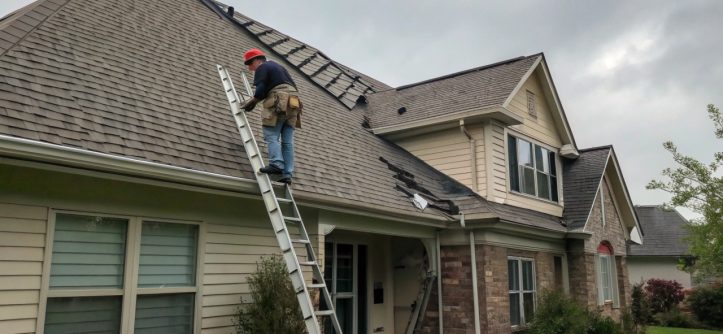
Proper roof maintenance is a fundamental part of protecting your home from the elements and ensuring its long-term durability. Whether your home is new or has stood for decades, establishing a regular maintenance routine can prevent small issues from developing into major problems. Homeowners in areas with diverse weather conditions, such as Chattanooga, should pay special attention to their roofing to extend longevity and avoid unexpected costs.
Simple preventative measures and a few annual checks can save you stress and money in the long run. Addressing roof concerns early helps keep your home safe, your belongings protected, and your energy bills stable. Roof maintenance also adds curb appeal, ensuring your property always looks its best in your neighborhood.
In addition to roof care, maintaining a pleasant and functional outdoor living area, such as sunrooms, enhances the overall value and comfort of your property. Pairing well-kept exterior spaces with routine roof upkeep helps you get the most from your investment year-round.
Regular Inspections
Establish the habit of inspecting your roof twice a year: once in the spring and again in the fall. Focus on the following telltale signs during your walkthrough:
- Shingles that are missing, cracked, or beginning to curl
- Rust spots, holes, or loose sections in the roof flashing
- Water stains or visible leaks inside the attic or top floor ceilings
Catching problems early can help you avoid disruptive repairs and expensive water damage. The National Roofing Contractors Association provides comprehensive resources on common roofing questions and guidance.
Clean Gutters and Downspouts
Gutters and downspouts play a key role in directing water away from your roof and foundation. Leaves, twigs, and other debris can cause blockages, leading to overflows that might damage fascia boards or seep into your home. Clear your gutters at least twice a year, especially after storms or during autumn when leaf fall is heavy. Keeping this drainage system open also helps prevent ice dams when temperatures drop.
Remove Debris from the Roof
Wind, storms, and seasonal changes can deposit a surprising amount of debris on your roof. Leaves, branches, and dirt collect moisture, leading to shingle or structural damage if ignored. Use a leaf blower on a dry day, or, if accessible and safe, a soft-bristled broom to gently clear the roof. If your roof is steep or high, it is best to contact a professional to avoid accidents.
Trim Overhanging Branches
Trees next to your home offer shade but also pose risks. Overhanging branches can scratch shingles or weigh down gutters when loaded with leaves, and they can easily break during storms and fall onto your house. Trim back branches that touch or hang closely above the roof, scheduling pruning each spring or after major wind events for continued protection.
Address Moss and Algae Growth
Moss, algae, or lichen often appear as green or black streaks on your roof. These organisms retain moisture, potentially causing shingles to lift, decay, or deteriorate. Gentle cleaning with products designed for roof use, such as zinc or copper-based solutions, can keep growth at bay. Ensuring the roof receives proper sunlight also discourages moss and algae establishment. For safe, effective removal, consult a roofing professional.
Ensure Proper Ventilation
A well-ventilated attic or roof space keeps temperatures consistent and discourages moisture buildup, which prolongs the life of your roofing materials. Check that soffit, ridge, and gable vents are open and unobstructed by dust, insulation, or belongings. Proper ventilation can also help prevent ice dams in winter and keep energy bills in check during hot months.
Check Flashing and Sealants
Metal flashing around chimneys, skylights, and vent pipes acts as a water barrier. Over time, flashing may crack, rust, or separate from the roof, introducing leaks. Inspect these areas during your routine checks and reseal or replace them as needed. Promptly fixing compromised flashing may save your home from water damage and mold issues.
Prepare for Winter
Winter months can introduce a variety of stresses to a roof. To reduce risks:
- Check insulation to prevent warm air from escaping and causing meltdowns, leading to ice dams.
- Use a roof rake to gently remove heavy snow buildup to avoid excess pressure and leaks.
- Address any repairs from your autumn inspection before cold weather and snow arrive.
Preparation ensures your roof faces harsh seasonal conditions without costly setbacks.
Conclusion
Regular roof maintenance is an investment in your home’s safety and value. By inspecting your roof, keeping gutters and shingles clear, controlling vegetation, and maintaining proper ventilation and flashing, you can extend your roof’s life and minimize future repair expenses. For any tasks that seem complex or hazardous, reach out to a local expert for help to keep your home safe and protected in every season.




Leave a Reply