

Surfing connects us deeply with the ocean. As wave riders, we witness firsthand the beauty of marine ecosystems and the growing threats they face. Therefore, choosing equipment that protects these waters makes perfect sense. Surfboard fins might seem like small components, but they represent an opportunity to support ocean conservation through mindful purchasing decisions.
This guide will help you identify brands that prioritize environmental responsibility. You’ll learn what makes a fin manufacturer truly green and how your choices can contribute to healthier oceans.
Why Your Fin Choice Matters
The surf industry has historically relied on materials and processes that harm marine environments. Traditional fins often contain petroleum-based plastics that persist in landfills for centuries. Manufacturing processes frequently release harmful chemicals into waterways. However, a growing movement of eco-conscious brands is changing this narrative.
When you purchase from responsible manufacturers, you support several positive outcomes. Your money funds cleaner production methods. It encourages innovation in sustainable materials. Additionally, many brands donate portions of their profits to ocean conservation initiatives. Each purchase becomes a vote for the kind of surfing industry you want to see.
The cumulative impact of consumer choices cannot be overstated. As more surfers demand eco-friendly options, larger manufacturers take notice. This shift creates market pressure that drives industry-wide improvements.
Understanding Sustainable Materials in Fin Production
Modern green fin producers use innovative materials that minimize environmental impact. Knowing these options helps you make informed decisions.
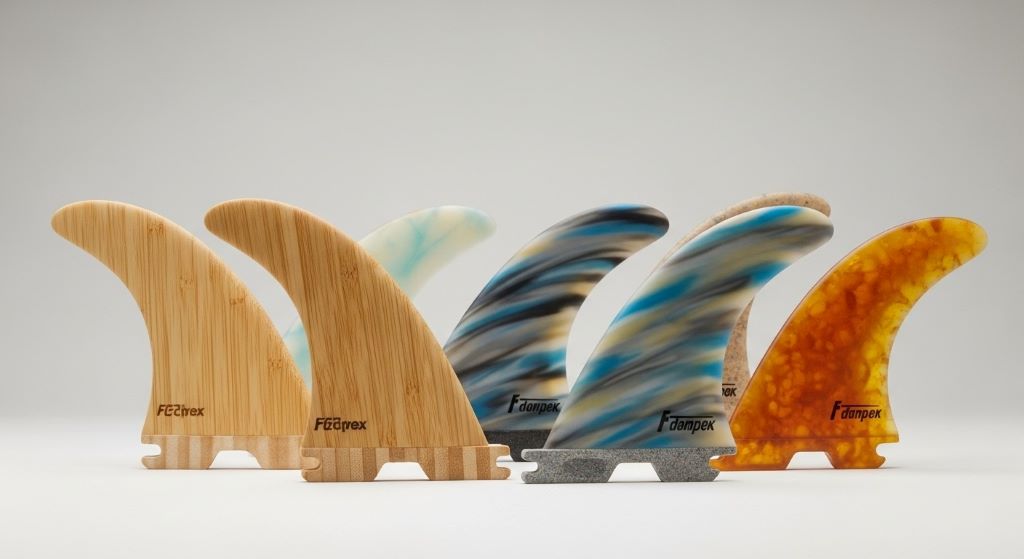
Recycled ocean plastics have become increasingly popular. Companies collect plastic waste from beaches and waterways, then transform it into durable fins. This approach removes pollution while creating functional products. Some brands have removed tons of plastic from the ocean through these programs.
Renewable plant-based materials offer another solution. Certain companies use bio-resins derived from plant oils rather than petroleum. These materials perform comparably to traditional options while reducing carbon footprints. Hemp fibers and bamboo composites also appear in some fin designs.
Recycled fishing nets represent a particularly meaningful material choice. Abandoned fishing gear causes tremendous damage to marine life. Converting these nets into fins directly addresses a major conservation problem. Moreover, the nylon from fishing nets creates strong, flexible fins.
Natural cork provides additional sustainability benefits. Cork harvesting doesn’t harm trees, and the material regrows naturally. Some companies incorporate cork into fin boxes and accessories. This renewable resource adds unique aesthetic appeal while supporting responsible forestry.
Identifying Truly Green Manufacturing Processes
Materials alone don’t tell the whole story. How fins are made matters just as much as what they’re made from. Therefore, examine manufacturing practices when evaluating brands.
Energy consumption during production significantly impacts environmental footprints. Look for companies that use renewable energy sources like solar or wind power. Some manufacturers have achieved carbon-neutral or even carbon-negative production. These achievements require substantial investment in clean energy infrastructure.
Water usage and treatment deserve attention as well. Responsible factories minimize water consumption and treat wastewater before discharge. This prevents chemical pollutants from entering natural water systems. Additionally, some companies have implemented closed-loop water systems that recycle throughout production.
Waste reduction practices separate genuine green companies from those merely marketing themselves as such. Efficient manufacturers minimize material waste through precise cutting and molding techniques. Scrap materials get recycled or repurposed rather than discarded. Some brands have achieved zero-waste production facilities.
Local production reduces transportation emissions considerably. When manufacturers produce fins near their primary markets, they eliminate thousands of shipping miles. This approach also often means better working conditions and fair wages for employees.
Evaluating Brand Transparency and Certifications
Authentic green fin producers openly share their practices. Transparency indicates genuine commitment rather than superficial greenwashing. Several signs reveal whether a brand truly prioritizes conservation.
Detailed information about materials and processes should be readily available. Companies serious about sustainability publish specifics about their supply chains. They explain exactly where materials come from and how products are made. Vague claims without supporting details raise red flags.
Third-party certifications provide independent verification of environmental claims. Look for certifications from recognized environmental organizations. B Corporation status indicates companies meet rigorous social and environmental standards. Climate Neutral certification confirms offset carbon emissions. Ocean-focused certifications demonstrate commitment to marine conservation specifically.
Regular sustainability reports show ongoing dedication to improvement. Companies that publish annual environmental impact assessments demonstrate accountability. These reports typically include measurable goals and progress updates. They acknowledge shortcomings while outlining improvement plans.
Supply chain ethics matter beyond environmental concerns. Truly ethical surf companies ensure fair labor practices throughout production. They avoid exploitative working conditions and pay living wages. Some publish factory audit results to prove ethical compliance.
Supporting Brands with Direct Conservation Initiatives
Many green fin producers go beyond sustainable production by actively supporting ocean conservation. These initiatives directly protect marine ecosystems that surfers cherish.
Direct donations to conservation organizations represent the most straightforward approach. Some companies pledge specific percentages of sales to marine protection groups. Others support particular projects like coral reef restoration or sea turtle protection. Research where these donations go and evaluate their effectiveness.
Beach cleanup programs engage local surfing communities in conservation. Brands organize regular cleanup events at surf breaks worldwide. These initiatives remove plastic and debris while raising environmental awareness. Participating in these events connects you with like-minded surfers.
Scientific research funding contributes to long-term ocean health. Some manufacturers support marine biology studies and monitoring programs. This research provides crucial data for conservation policy decisions. Additionally, it helps track ocean health trends over time.
Educational initiatives spread environmental awareness throughout surfing communities. Companies create content about ocean conservation and sustainable living. They sponsor environmental film festivals and school programs. Education creates lasting cultural change that extends beyond individual purchases.
Advocacy work influences policy at governmental levels. Some brands actively lobby for marine protection legislation. They support restrictions on plastic use and marine pollution. This political engagement addresses root causes of ocean degradation.
Comparing Popular Eco-Friendly Fin Brands
Several eco-friendly fin brands have established strong reputations in 2026. Understanding their different approaches helps you choose the best fit for your values and surfing style.
Some pioneering brands focus exclusively on recycled ocean plastics. They’ve built entire business models around removing ocean waste. Their fins perform excellently while carrying powerful environmental messages. These companies often lead in transparency and third-party certifications.
Other manufacturers emphasize innovative bio-based materials. They invest heavily in research and development of plant-derived alternatives to traditional plastics. While sometimes slightly more expensive, these fins represent cutting-edge sustainability technology. Their performance often rivals or exceeds conventional options.
Certain companies take a comprehensive approach, combining multiple sustainable practices. They use recycled materials, renewable energy, and donate to conservation causes simultaneously. These brands typically cost more but offer the most significant overall impact. However, their higher prices reflect genuine environmental investments rather than mere marketing.
Smaller artisan manufacturers deserve consideration as well. These companies produce limited quantities with meticulous attention to sustainability. They often use local materials and traditional craftsmanship techniques. Supporting small businesses diversifies the sustainable surfing economy.
Balancing Performance with Environmental Values
Some surfers worry that sustainable fins won’t perform as well as traditional options. However, modern eco-friendly fins match or exceed conventional performance in most cases.
Material science advances have eliminated most performance gaps. Recycled plastics and bio-resins now offer comparable flex patterns and durability to petroleum-based materials. Many professional surfers ride sustainable fins without performance compromises. Testing reveals minimal differences in most surfing conditions.
Durability concerns sometimes arise with newer materials. Nevertheless, quality green producers extensively test their products. Many offer warranties comparable to traditional brands. Proper care ensures sustainable fins last just as long as conventional alternatives.
Design innovation continues improving eco-friendly fin performance. Companies invest in research to optimize sustainable materials. Computer modeling and testing refine shapes and flex patterns. These efforts have produced high-performance fins that happen to be sustainable rather than sustainable fins that sacrifice performance.
Personal testing remains the best way to evaluate any fin. Most eco-friendly brands offer trial periods or satisfaction guarantees. This allows you to test performance in your local conditions. Many surfers discover they prefer their eco-friendly fins to previous setups.
Making Your Purchase Decision
After researching brands and understanding sustainability factors, you’re ready to make an informed choice. Several practical considerations will guide your final decision.
Budget plays a role in any purchase. Sustainable fins often cost more than basic conventional options. However, prices have become increasingly competitive as the market grows. Consider the purchase an investment in both performance and ocean health. Many surfers find the premium worthwhile for products aligned with their values.
Your surfing style influences which fins work best. Different designs suit different wave types and maneuvers. Fortunately, eco-conscious brands now offer comprehensive ranges. You can find eco-friendly options for longboarding, shortboarding, or any other style.
Local availability varies by region. Some sustainable brands have limited distribution networks. However, online ordering makes most brands accessible worldwide. Direct purchasing from manufacturer websites often provides the best selection. Additionally, this approach ensures more money goes directly to the company.
Reading reviews from other surfers provides valuable insights. Look for feedback specifically about eco-friendly brands you’re considering. Surfing forums and social media groups offer honest opinions. Pay attention to comments about durability and performance over time.
Caring for Your Sustainable Fins
Proper maintenance extends the life of any fins while maximizing your environmental investment. A few simple practices keep sustainable fins performing optimally for years.
Regular rinsing after surf sessions prevents salt and sand buildup. Freshwater removes corrosive materials that degrade fins over time. This simple habit significantly extends fin lifespan. It takes only a minute but makes a substantial difference.
Proper storage protects fins from unnecessary damage. Avoid leaving them in hot cars where extreme temperatures can warp materials. Store fins in protective cases when traveling. Keep them away from direct sunlight when not in use.
Inspect fins periodically for damage or wear. Small cracks can be repaired before they become serious problems. Many green brands offer repair services. Fixing rather than replacing extends the product’s environmental benefits.
When fins eventually reach the end of their useful life, dispose of them responsibly. Some manufacturers accept old fins for recycling. Otherwise, research local recycling options for the specific materials. Proper disposal prevents fins from becoming ocean pollution themselves.
The Future of Sustainable Surfboard Fins
The sustainable fin industry continues evolving rapidly. Understanding emerging trends helps you stay informed about future options.
Material innovations promise even better environmental performance. Researchers are developing fully biodegradable fins that break down harmlessly. Others work on materials grown from algae or fungal mycelium. These cutting-edge options may become mainstream within a few years.
Manufacturing technologies are also advancing. Three-dimensional printing allows for minimal-waste production. This technology enables customization while reducing environmental impact. Some companies already offer 3D-printed fins from recycled materials.
Circular economy models are gaining traction in the surf industry. These systems design products for eventual return and recycling. Manufacturers reclaim old fins and incorporate them into new products. This approach eliminates waste entirely when fully implemented.
Industry-wide sustainability standards may eventually emerge. Surfing organizations are discussing common environmental benchmarks. Standardized certifications would make comparing brands easier for consumers. However, voluntary adoption will likely precede any mandatory requirements.
Conclusion
Choosing green surfboard fins that support ocean conservation represents a meaningful way to align your surfing with your environmental values. By selecting products from ethical surf companies and sustainable fin manufacturers, you directly contribute to healthier oceans. The decision involves understanding materials, evaluating manufacturing processes, and researching brand conservation initiatives.
Modern sustainable fins perform excellently while minimizing environmental impact. They’re made from innovative materials like recycled ocean plastics, bio-resins, and repurposed fishing nets. Manufacturing processes increasingly use renewable energy and minimize waste. Many brands support ocean conservation through donations, research funding, and advocacy work.
Your purchasing power drives positive change in the surf industry. As more surfers choose sustainable options, manufacturers respond with improved products and practices. This creates a virtuous cycle that benefits both surfing and ocean ecosystems. The slight premium for sustainable fins represents an investment in the waves and marine life you love.
Start your journey toward sustainable surfing by researching the brands mentioned in this guide. Evaluate their practices against your personal values and surfing needs. Remember that perfection isn’t the goal; progress matters most. Every sustainable choice contributes to protecting the oceans that make surfing possible.
Frequently Asked Questions
Do sustainable surfboard fins perform as well as traditional fins?
Yes, modern sustainable fins match traditional fin performance in virtually all conditions. Material science advances have eliminated previous performance gaps. Many professional surfers use eco-friendly fins without compromising their competitive edge. Quality sustainable manufacturers extensively test their products to ensure performance standards.
Are eco-friendly fins significantly more expensive than regular fins?
Sustainable fins typically cost slightly more than basic conventional options, usually around 10 to 30 percent higher. However, prices have become increasingly competitive as the market grows. The premium reflects genuine environmental investments like renewable energy use, recycled materials, and conservation donations rather than mere marketing.
How can I verify if a fin brand is genuinely sustainable or just greenwashing?
Look for third-party certifications from recognized environmental organizations such as B Corporation or Climate Neutral status. Genuine sustainable brands provide detailed information about their materials, manufacturing processes, and supply chains. They publish regular sustainability reports with measurable goals and progress updates. Vague environmental claims without supporting documentation typically indicate greenwashing.
What should I do with old fins when I upgrade to sustainable options?
First, check if the manufacturer of your new fins accepts old fins for recycling. Some companies have takeback programs that reclaim materials. If not available, research local recycling facilities that accept the specific materials in your old fins. As a last resort, properly dispose of them according to local waste management guidelines to prevent ocean pollution.
Which sustainable fin material is best for the environment?
No single material is universally best, as different options offer different benefits. Recycled ocean plastics directly remove pollution from marine environments. Bio-resins from plant sources reduce petroleum dependence and carbon emissions. Repurposed fishing nets address a major source of marine wildlife harm. The best choice depends on your priorities and which environmental issues matter most to you personally.
Related Topics:
How to Roller Skate Backwards for Beginners: Simple Tips to Get Started
How a Wall Rack with Hooks Helps Keep Skateboards Neat and Accessible




Leave a Reply