

Selling your home is a significant milestone, and careful preparation can help you achieve a timely and successful sale. If you are considering selling a house, taking the right steps is essential for attracting serious buyers and receiving fair offers. This guide will help you navigate the critical preparations and considerations that boost your home’s marketability.
From understanding the value of your property to ensuring your house stands out in the marketplace, every phase of the process matters. Whether you are a first-time home seller or an experienced property owner, well-planned actions can streamline the journey and maximize your results.
The process may involve evaluating market conditions, making strategic repairs, and setting a competitive price. By following expert recommendations and preparing accordingly, you can overcome common hurdles and experience a smoother transaction.
Make sure to approach each step methodically and get familiar with local buyer trends and expectations. Solid preparation leads to reduced stress, better offers, and a faster closing process.
If you are weighing alternatives for your property, you may want to explore expedited sale options, such as cash for houses, which can offer convenience and certainty for some sellers.
Assess Your Home’s Value
Accurately determining your property’s value is a foundational step. Begin by using reputable online valuation tools to get a preliminary estimate. However, these tools use broad data and may not account for all features or recent renovations. For a refined analysis, consult with a qualified real estate agent who can perform a comparative market analysis (CMA). Obtaining a professional appraisal is also valuable, as it may uncover attributes or issues that impact value. Knowing your home’s true market value helps set expectations and supports more informed negotiation.
Timing Your Sale Strategically
The timing of your sale can play a major role in its success. Historically, homes tend to sell faster and for higher prices in spring and early summer, when buyer activity is higher. Research recent trends in your local market, as different regions experience varying peak seasons. Consulting reports from sources such as the National Association of Realtors can shed light on optimal listing periods. Monitor local inventory and competition so you can list your property when demand is strong, but supply is limited.
Choosing the Right Selling Method
There are two primary approaches to selling a home. Engaging a real estate agent gives you professional representation and access to wider buyer networks. Agents handle marketing, showings, negotiations, and paperwork, which can be helpful if you have limited time or experience. The “For Sale By Owner” (FSBO) route may appeal if you wish to avoid commission fees, but you must be comfortable managing every step, from pricing to closing. Research recent statistics published by Forbes Advisor on the pros and cons of both methods before deciding how to proceed.
Making Necessary Repairs and Improvements
A home with obvious repair needs can struggle to attract buyers. Start by taking an honest inventory of your property. Fix leaky faucets, squeaky doors, damaged flooring, or broken appliances. These minor repairs can have a major impact on how buyers perceive your home’s overall maintenance. For larger issues, consider a pre-listing inspection to address costly problems proactively. Upgrades that yield strong returns often include fresh paint, updated lighting fixtures, and minor kitchen or bath improvements. Focus on practical changes that elevate your home without overcapitalizing.
Decluttering and Staging Your Home
The goal of decluttering and staging is to make your home feel inviting and spacious. Remove personal photos and memorabilia to create a blank canvas that enables buyers to imagine their lives in the space. Organize closets, clear countertops, and store away excess furniture to optimize room flow. Investing in professional staging can further highlight strengths and downplay limitations. According to data from various real estate organizations, staged homes often sell more quickly and for higher prices than non-staged counterparts.
Enhancing Curb Appeal
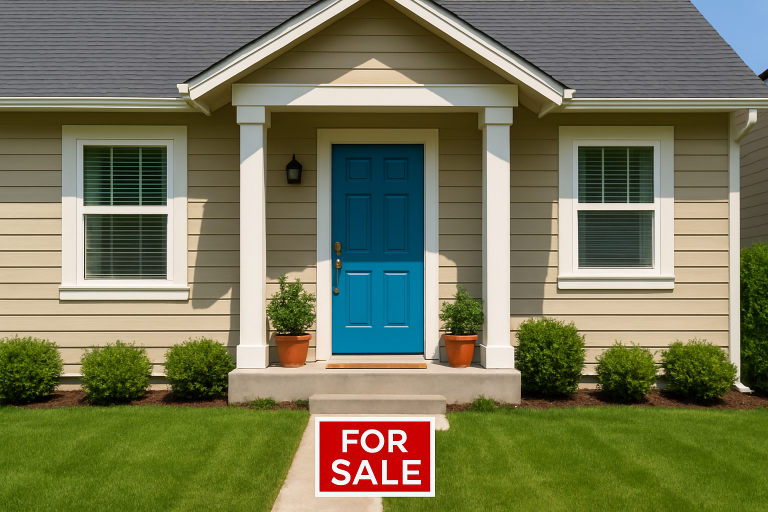
Your home’s exterior sets the tone for every showing. Mow the lawn, trim hedges, and add a fresh layer of mulch to gardens. Repeat to boost appeal further up the trim for a welcoming look. Place a simple planter with seasonal flowers near the entryway to create a positive first impression. Sprucing up the driveway, cleaning gutters, and installing updated house numbers are affordable ways to further boost appeal. Curb appeal improvements encourage buyers to enter your home with enthusiasm and curiosity.
Gathering Essential Documents
Preparing all key documentation can speed up the closing process and instill confidence in buyers. Compile your property deed, mortgage statements, tax records, recent utility bills, and any warranties or permits for completed updates. Also, have inspection reports, HOA documents, and information about local schools ready. Organizing these papers in advance demonstrates transparency and readiness.
Setting a Competitive Price
Use the results from your home valuation and market research to set an asking price. Price too high and you risk turning away prospective buyers; price too low and you might not reap the full value of your investment. Review listings of comparable homes in your area and consider any unique features that set your property apart. Ongoing dialogue with your agent can help you stay agile and make price adjustments if needed. A competitive listing price generates interest and positions your home for a faster, successful sale.
By methodically preparing your home and considering both traditional and alternative sales approaches, you can increase buyer interest and enhance the likelihood of a profitable transaction. Staying organized every step of the way sets you up for a seamless experience and a positive outcome.




Leave a Reply