
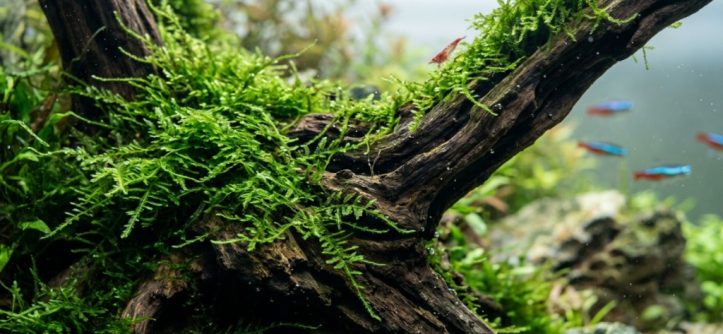
You’ve just spent hours designing the perfect aquascape, only to watch your carefully stacked rocks tumble or your prized coral frag float away. Few things are more frustrating than a weak bond that fails underwater. The truth is, not all adhesives are safe for aquatic life, and even fewer can withstand constant water pressure. Choosing the right aquarium glue for strong seals isn’t just about sticking things together—it’s about protecting your fish, your hardscape, and your peace of mind. In this guide, you’ll discover exactly which adhesives work, which ones to avoid, and how to apply them for permanent, waterproof results.
What Makes an Aquarium Glue Safe for Aquatic Life?
The Chemistry Behind Reef-Safe Adhesives
Most aquarium-safe glues are cyanoacrylate-based, commonly known as super glue. Once cured, cyanoacrylate becomes inert and non-toxic to fish, corals, and invertebrates. Unlike epoxy or silicone, it does not leach harmful chemicals into the water column. The key is to choose pure cyanoacrylate without additives like accelerators, dyes, or solvents.
Why You Must Avoid Household Glues
Standard household adhesives often contain solvents, formaldehyde, or fungicides that are deadly to aquarium inhabitants. Even small amounts can crash your tank’s nitrogen cycle or kill sensitive species like shrimp or anemones. Always check the label for “100% cyanoacrylate” or “aquarium-safe” certification.
How to Test Glue Safety Before Use
Perform a simple water test: apply a small drop of glue to a glass plate, let it cure fully for 24 hours, then submerge it in a cup of tank water with a hardy fish or plant for 48 hours. If you notice any change in behavior or water clarity, discard the glue immediately.
Which Type of Aquarium Glue Works Best for Strong Seals?
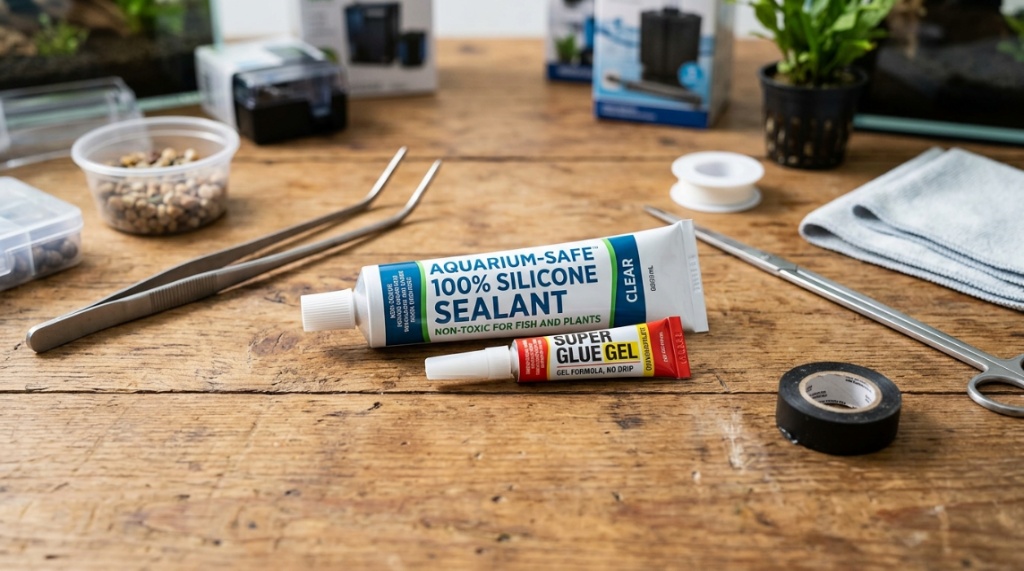
Cyanoacrylate: The Go-to for Most Applications
Cyanoacrylate glue bonds in seconds and creates an incredibly strong, waterproof seal. It works best on dry surfaces and is ideal for attaching coral frags to plugs, repairing small glass cracks, or securing decorations. Brands like Loctite Super Glue Gel and Gorilla Glue Gel are popular choices among hobbyists.
Two-Part Epoxy: For Heavy-Duty Structural Bonds
Epoxy putty or liquid epoxy is excellent for large rock structures, repairing cracked glass, or sealing overflow boxes. It takes longer to cure (15–30 minutes) but provides a thicker, more durable bond that can withstand significant pressure. Look for aquarium-specific epoxy that is non-toxic once cured.
Silicone Sealant: The Only Option for Glass Tanks
Building or repairing a glass tank requires 100% silicone sealant without mold inhibitors. Only silicone can flex with the glass under water pressure without cracking. Avoid silicone labeled as “kitchen and bath” because it contains anti-mildew additives that kill fish.
How Should You Prepare Surfaces Before Applying Aquarium Glue for Strong Seals?
Cleaning and Drying the Bonding Area
Surfaces must be completely clean and dry. Use rubbing alcohol to remove oils, algae, or old adhesive residue. If the surface is wet, cyanoacrylate will cure too quickly and form a weak, brittle bond. For silicone, surfaces must be dry and dust-free for optimal adhesion.
Roughening Smooth Surfaces for Better Grip
Glass and acrylic are naturally smooth. Lightly sand the area with 200-grit sandpaper to create microscopic grooves. This increases surface area and allows the glue to grip mechanically rather than relying solely on chemical bonding.
Using Accelerators with Caution
Spray accelerators can speed up curing time, but many contain chemicals that are toxic to marine life. If you must use an accelerator, choose one labeled specifically for aquarium use, or simply allow the glue to cure naturally for 24–48 hours.
What Is the Best Application Technique for a Permanent Bond?
Applying Cyanoacrylate for Frags and Decor
Apply a thin, even layer of glue to one surface, press firmly for 10–15 seconds, then hold in place. For underwater applications, use a gel formula that does not run. After initial set, give the bond 24 hours before exposing it to heavy water flow.
Mixing and Applying Epoxy Putty
Knead equal parts of epoxy putty until the color is uniform. Apply it around joints or fill cracks within 5 minutes. Press firmly and support the structure until the epoxy hardens. For large rock stacks, let the epoxy cure for at least 1 hour before submerging to tell if a fish is male or female.
Running a Silicone Bead for Tank Repairs
Cut the silicone nozzle at a 45-degree angle for a clean bead. Apply steady pressure while dragging the nozzle along the seam. Use a popsicle stick or smoothing tool to press the silicone into the joint. Let it cure for 24–48 hours before filling the tank.
How Long Does It Take for Aquarium Glue to Fully Cure Underwater?
Cyanoacrylate Curing Times
Surface curing happens in 10–30 seconds, but full strength takes 24 hours. Water accelerates the curing process, which can be a problem if the glue hasn’t bonded correctly. Always allow dry-cured bonds to rest for a full day before adding water.
Epoxy Curing and Hardening Stages
Epoxy putty sets in 15–30 minutes but requires 12–24 hours to reach maximum hardness. Do not disturb the bond during this curing window. If you are bonding underwater, use epoxy formulated for wet environments to prevent crumbling.
Silicone Curing and Water Exposure
100% silicone takes 24 hours to skin over and 48 hours to cure fully. Do not fill the tank for at least 48 hours. The smell of vinegar indicates curing is still in progress. Wait until the odor completely dissipates before adding fish.
Can You Use Aquarium Glue for Strong Seals on Acrylic Tanks?
Special Considerations for Acrylic Surfaces
Acrylic expands and contracts more than glass. Cyanoacrylate can bond acrylic temporarily, but it may crack under stress. For acrylic repairs, use a dedicated acrylic solvent cement that chemically welds the plastic together.
Why Silicone Doesn’t Bond Well to Acrylic
Silicone forms only a surface bond on acrylic and peels off easily under water pressure. If you must use silicone on acrylic, apply it as a gasket rather than an adhesive, and use mechanical fasteners for primary strength.
Best Adhesive Options for Acrylic
Weld-On #4 or #16 is the industry standard for acrylic. It creates a molecular bond that is stronger than the acrylic itself. For smaller repairs, a thick cyanoacrylate gel works, but avoid running beads because it dries cloudy.
Which Aquarium Glue Is Best for Coral Frags Versus Hardscape?
Choosing Glue for Coral Fragmentation
Cyanoacrylate gel is the top choice for attaching frags to plugs or rock. It sets quickly in water and bonds well to coral skeletons. Use a reef-safe brand like Reef Glue or BSI IC-Gel for sensitive SPS corals.
Selecting Adhesive for Rock and Stone Structures
For building arches, caves, or stacked rocks, epoxy putty provides the strongest structural hold. It can fill gaps between irregular surfaces and forms a rigid bond that withstands burrowing fish. Gun gum epoxy is especially popular for marine tanks.
Adhesive Options for Driftwood and Plants
Cyanoacrylate works well for attaching moss or small plants to wood. For larger pieces, consider using cotton thread or zip ties in combination with glue for extra security. Avoid using super glue on roots directly, as it can damage plant tissue.
What Are the Most Common Mistakes When Using Aquarium Glue?
Applying Too Much Glue
Excess glue creates a weak, messy bond that takes longer to cure. A thin, even layer is stronger than a thick blob. For cyanoacrylate, more glue does not equal more strength—it actually increases the chance of failure.
Bonding Wet or Dirty Surfaces
Moisture causes cyanoacrylate to cure prematurely, forming a brittle white crust. Even a thin film of algae or slime prevents the glue from penetrating the surface. Clean and dry thoroughly before any application.
Moving the Object Too Soon
It is tempting to test the bond after a few minutes, but movement during the curing process breaks the molecular chains forming within the adhesive. Leave the object undisturbed for at least 30 minutes, ideally longer.
How Do You Remove Aquarium Glue Without Damaging the Tank?
Removing Cyanoacrylate Residue
Soak the area in acetone (nail polish remover) for 10–15 minutes, then gently scrape with a razor blade. Acetone evaporates quickly and does not leave toxic residue, but always rinse thoroughly before returning items to the tank.
Breaking Epoxy Bonds
Epoxy is difficult to remove without mechanical force. Use a hammer and chisel on rocks, or a rotary tool for glass. Wear safety goggles because epoxy fragments can fly with force. For glass repairs, it is safer to replace the panel than to scrape old epoxy.
Stripping Silicone from Glass
Use a razor scraper at a 45-degree angle to peel silicone away. Residual film can be dissolved with mineral spirits, but avoid solvents near any remaining silicone joints. Always reapply fresh silicone over completely clean glass.
Can You Combine Different Types of Aquarium Glue for Extra Strength?
Layering Cyanoacrylate Over Epoxy
Yes, this technique works well for underwater repairs. Apply epoxy putty as the structural base, then coat the surface with cyanoacrylate gel to seal the edges. The cyanoacrylate penetrates small cracks that epoxy cannot reach.
Using Silicone as a Secondary Seal
After cyanoacrylate or epoxy cures, run a thin silicone bead around the joint. This creates a flexible, waterproof barrier that prevents leaks in high-pressure areas like bulkheads or overflow boxes. Let the silicone cure before water exposure.
When to Avoid Combining Adhesives
Do not apply cyanoacrylate over wet silicone—it will not bond. Also avoid mixing solvents from different adhesives because chemical reactions can produce toxic byproducts. Always allow the first layer to fully cure before adding a second type.
Where Can You Find High-Quality Aquarium Glue for Strong Seals?
Local Pet Stores Versus Online Retailers
Local stores offer the advantage of immediate availability and expert advice. However, online retailers often stock a wider variety of specialized aquarium glues, including reef-safe formulas and bulk options. For the best selection, check both sources.
Reading Labels for Certifications
Look for labels that state “aquarium safe,” “fish safe,” or “100% cyanoacrylate.” Avoid products with added activators, accelerators, or anti-fungal agents. If the ingredient list is vague, assume it is not safe for your tank.
For a curated list of top-rated products that meet all safety and performance standards, check out this reliable resource on aquarium glue for strong seals.
Price Versus Quality Considerations
Cheap super glue often contains fillers that weaken the bond and may leach toxins. Spending a few extra dollars on a reputable brand ensures a longer-lasting, safer seal. You do not need the most expensive product, but avoid the cheapest one.
Frequently Asked Questions
Is super glue safe for aquarium use?
Yes, pure cyanoacrylate super glue is safe once fully cured. Always choose 100% cyanoacrylate without additives. Gel formulas work best for underwater applications because they do not run.
Can I use hot glue in my fish tank?
No, hot glue is not waterproof and will peel off within days. It also traps bacteria and debris, creating a health hazard for fish. Use only aquarium-safe cyanoacrylate, epoxy, or silicone.
How long does aquarium glue take to dry underwater?
Cyanoacrylate sets in 10–30 seconds underwater but needs 24 hours to reach full strength. Epoxy takes 15–30 minutes to set and 12–24 hours to harden completely. Silicone requires 48 hours of dry curing.
Can I glue live coral directly to rock?
Yes, but use reef-safe cyanoacrylate gel. Apply a small drop to the coral base, press against dry rock for 15 seconds, then place the rock in the tank. Avoid covering the coral tissue with glue.
What glue repairs a cracked glass aquarium?
100% silicone sealant is the only safe option for glass tank repairs. Epoxy can be used for small chips but will not flex with the glass. For large cracks, replace the entire panel or buy a new tank.
Does aquarium glue harm shrimp or snails?
Fully cured cyanoacrylate and epoxy are safe for shrimp and snails. However, uncured glue can stick to their shells and cause injury. Always allow the glue to cure completely before introducing invertebrates.
Can I use epoxy putty underwater?
Yes, many epoxy putties are designed for underwater application. Knead the putty, shape it, and press it into place underwater. It will cure in 20–30 minutes even when submerged.
Final Thoughts on Choosing the Right Adhesive
Choosing the correct aquarium glue for strong seals comes down to matching the adhesive to the specific job. Cyanoacrylate is your best friend for quick coral and small decoration bonds, while epoxy provides the muscle for large rock structures and glass repairs. Silicone remains the only reliable sealant for building or repairing tanks themselves. Always prioritize purity over price, and never rush the curing process. By following the preparation and application steps outlined here, you will avoid the frustration of failed bonds and keep your aquatic environment safe and beautiful. Start your next aquascaping project with confidence—your fish will thank you.




Leave a Reply