
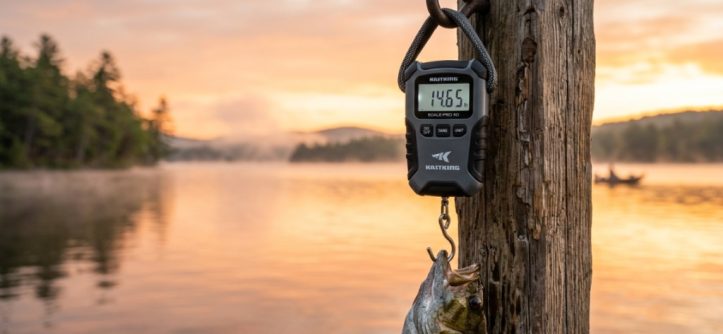
You just landed the biggest bass of the season. Your heart is racing, your arms are burning, and you know this fish is a trophy. But without a reliable scale, that story loses its magic. Guessing the weight leads to exaggerated claims or missed personal records. A quality portable digital fish scale solves this problem instantly. It gives you precise, verifiable data, settles bragging rights, and helps you make informed decisions about catch-and-release practices. The challenge is sorting through dozens of models to find one that won’t fail you on the water. This guide covers exactly what to look for, what to avoid, and how to match a scale to your specific fishing style.
What Makes a Portable Fish Scale Truly Portable?
Defining Portability Beyond Size
Portability isn’t just about fitting a scale in your pocket. True portability means the device is lightweight enough to carry all day without fatigue, compact enough to stow in a tackle box or vest pocket, and durable enough to survive being dropped on a boat deck or bounced around in a gear bag. Look for scales weighing under 8 ounces and measuring less than 7 inches in length.
Materials That Travel Well
A portable scale should feature corrosion-resistant construction. Stainless steel hardware, ABS plastic housings, and sealed battery compartments prevent rust and damage from saltwater spray or rain. Avoid scales with exposed metal springs or painted surfaces that chip easily.
Clip and Lanyard Design Matters
Many portable scales come with a carabiner clip or lanyard. This allows you to attach the scale to your belt loop, tackle bag, or kayak. A good clip opens wide enough to attach to thick straps and stays secure during movement. Test the clip mechanism before buying if possible.
Why Digital Scales Outperform Mechanical Options for Anglers
Accuracy and Precision Differences
Digital scales typically offer accuracy within 0.1 pounds or 1 ounce, while mechanical spring scales can be off by half a pound or more. Digital models also compensate for temperature changes and battery voltage fluctuations, giving you consistent readings every time. For tournament anglers, this precision can be the difference between a win and an also-ran.
Ease of Reading in Low Light
Digital scales feature backlit LCD screens that are readable at dawn, dusk, or under a shady tree. Mechanical scales rely on a needle and printed numbers that become nearly invisible in poor lighting. Many digital models also have large, bold fonts for quick reading.
Additional Features That Help Anglers
Beyond weight, digital scales often include tare functions (zeroing out the weight of a net or bag), hold functions (freezing the reading after the fish stops moving), and unit switching between pounds, kilograms, and ounces. Some even calculate fish length from weight using species-specific formulas. These extras add real value for serious fishermen.
How Much Weight Capacity Do You Really Need?
Matching Capacity to Target Species
For panfish, trout, and small bass, a 25-pound capacity is sufficient. For larger bass, pike, musky, or saltwater species like redfish and snook, look for a 50-pound minimum. If you target tarpon, cobia, or tuna, consider a scale rated for 100 pounds or more. Overshooting capacity is safer than undershooting, but excessively high capacity scales can be less sensitive at lower weights.
The Accuracy Trade-Off at Low Weights
A scale rated for 100 pounds may not register a 1-pound bluegill accurately. Most digital scales are most accurate between 10% and 90% of their maximum capacity. If you frequently weigh small fish, choose a scale with a lower maximum capacity or one that has been tested for accuracy across its full range.
Overload Protection Features
Some portable scales include overload protection that prevents damage if you accidentally exceed the rated capacity. This feature saves your investment if you hook a monster while testing the scale on smaller fish. Check the product specifications for overload warnings or built-in safeguards.
Which Features Matter Most for a Digital Fish Scale?
Backlight and Display Quality
A high-contrast LCD with adjustable backlighting is essential for early morning and evening fishing trips. Look for a display with wide viewing angles so you can read it while holding a fish with both hands. Some premium models offer auto-rotating displays that flip orientation based on how you hold the scale.
Battery Life and Power Options
Most portable digital scales use AAA or CR2032 coin batteries. Choose a scale with a battery life indicator so you know when to swap batteries before heading out. Models with automatic shut-off (usually after 30–60 seconds of inactivity) conserve battery life significantly. A few high-end scales offer rechargeable lithium batteries via USB-C.
Hooking and Weighing Mechanisms
The most common mechanisms include a hanging hook, a clip-on gripper, or a cradle-style platform. Hanging hooks are ideal for lip-gripping tools like Boga Grips. Clip-on grippers work well for smaller fish. Cradles distribute weight evenly and are best for large, fragile fish you plan to release. Choose based on your primary fishing style.
Waterproof and Dustproof Ratings
Look for an IPX4 rating or higher. IPX4 means the scale is splash-proof from any direction. IPX7 allows temporary submersion in up to one meter of water. Given that fishing involves water, slime, and mud, a waterproof scale will last significantly longer than one without protection.
How Accurate Are Portable Fish Scales in Real Conditions?
Testing Against Known Weights
Before trusting any scale on the water, test it with a known weight like a dumbbell, a bag of sugar, or a water bottle. Digital scales can drift out of calibration over time, especially after being dropped or exposed to temperature extremes. Regular calibration checks every few trips ensure reliability.
Factors That Affect Accuracy
Wind can cause a hanging fish to sway, producing fluctuating readings. Moisture on the hook or fish can alter the tare weight. Low battery voltage often causes inaccurate readings, so always start with fresh batteries. Holding the scale at an angle instead of vertically can also skew results.
Built-In Calibration Features
Some premium portable digital scales include a calibration function that lets you reset the scale using a known weight. Others are factory-calibrated and cannot be adjusted. For serious anglers, a user-calibratable scale is worth the extra investment because it guarantees accuracy season after season.
Can a Portable Fish Scale Handle Saltwater Environment?
Corrosion Risks in Saltwater
Saltwater is highly corrosive to metal components, especially springs, load cells, and battery terminals. Even dried salt crystals can cause electrical shorts. A scale designed for saltwater should have all exposed metal made of stainless steel or be completely sealed against moisture ingress.
Cleaning and Maintenance Tips
After every saltwater trip, rinse your scale thoroughly with fresh water. Dry it with a towel and leave the battery compartment open to air out. Apply a small amount of dielectric grease to battery contacts to prevent corrosion. Never store a wet scale in a sealed tackle box.
Saltwater-Specific Product Choices
Several brands offer dedicated saltwater series with enhanced corrosion protection. These often have anodized aluminum housings, double-sealed battery compartments, and stainless steel hooks. While they cost more, they last three to five times longer in saltwater conditions than standard models. Consider this if you fish coastal waters or even brackish estuaries.
When Should You Upgrade from a Basic Scale to a Premium Model?
Signs Your Current Scale Is Holding You Back
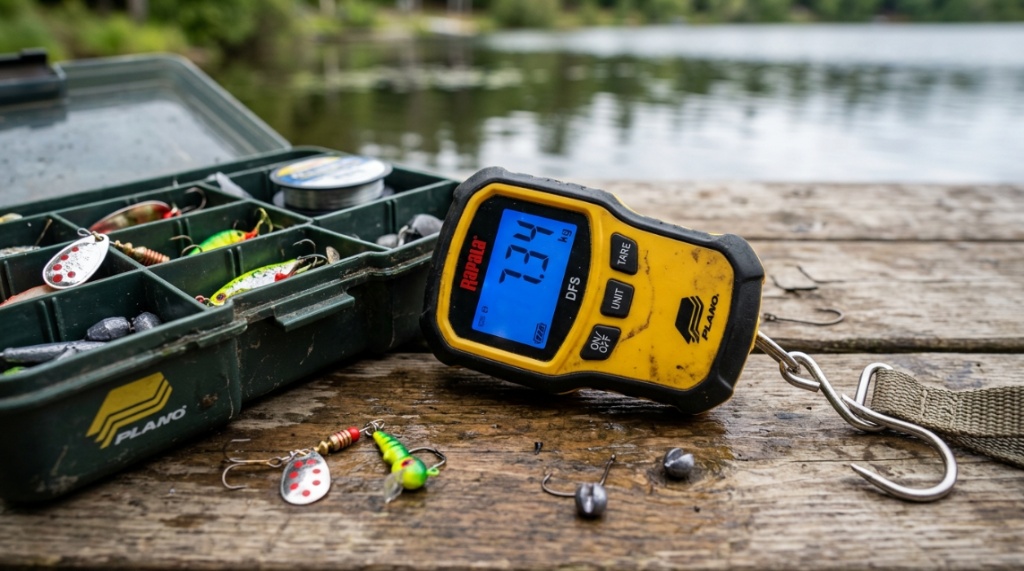
If you find yourself guessing weights because the display is unreadable, or if the scale consistently reads differently from your buddy’s scale, it’s time for an upgrade. A scale that takes more than 5 seconds to stabilize or that turns off mid-use also signals the need for a better tool.
Features That Justify Higher Price Points
Premium scales typically offer Bluetooth connectivity for logging catches in a mobile app, memory storage for multiple weigh-ins, and stronger construction with military-grade materials. Some include integrated measuring boards or tape measures. For tournament anglers and serious catch-and-release advocates, these features improve data collection and fish handling.
Budget vs. Long-Term Value
A $20 scale may last one season. A $60 scale with proper care can last five years or more. Calculate cost per use rather than initial price. If you fish 30 times per year, a $60 scale costs $0.40 per trip. That is cheap insurance for accurate records and better fish management.
How to Weigh Fish Safely Without Harming Them
Use a Soft Cradle for Large Fish
Large fish like musky, pike, and trophy bass can be injured by hanging from their jaw on a hook for more than a few seconds. A soft nylon or neoprene cradle supports the fish’s body evenly, reducing stress and preventing internal injuries. Many portable digital scales have cradle attachment options.
Minimize Air Exposure
Keep the fish in the water until the scale is ready. Lift the fish gently, take the reading quickly (under 10 seconds), and return it to the water immediately. A wet hand or wet glove reduces slime coat damage. Use the scale’s hold function to capture the weight after the fish settles.
Choose the Right Hooking Point
For lip-hooking, place the hook through the lower lip or through a specialized lip grip tool. Never hook through the gill plate, eye socket, or soft belly tissue. For cradles, position the fish centrally so weight is evenly distributed. This gives an accurate reading and minimizes harm.
Which Accessories Extend the Life of Your Portable Fish Scale?
Protective Carrying Cases
A padded case protects the scale from impacts, moisture, and dust. Hard-shell cases offer the best protection for boat use. Soft neoprene pouches are lighter for wading anglers. Ensure the case allows airflow to prevent moisture buildup.
Replacement Hooks and Grippers
Hooks and grippers wear out over time. Having a spare on hand means you can replace a dull or bent hook immediately instead of retiring a perfectly good scale. Look for universal replacement parts compatible with your brand.
Calibration Weights
A small calibration weight (usually 5 or 10 pounds) fits easily in your tackle box. Running a quick calibration check before every outing takes 30 seconds and ensures your data is trustworthy. Some brands sell calibration weights specifically for their scales. When packing your tackle box with the best portable fish scale, don’t overlook your footwear. Staying stable while weighing a slippery, heavy catch on a wet deck requires proper grip—make sure to pair your gear with the right Fishing Shoes for Florida Anglers to prevent slips and ensure maximum comfort in hot, humid climates.
How to Compare Top Portable Fish Scale Brands
Key Differentiators Between Leading Brands
Brands like Rapala, Berkley, Boga Grip, and Brecknell each have unique strengths. Rapala models often integrate length measurement functions. Berkley scales are known for ruggedness and affordability. Boga Grip offers premium aluminum construction with high corrosion resistance. Brecknell specializes in professional-grade accuracy for tournament use.
Reading Reviews With a Critical Eye
Look for verified purchaser reviews that mention long-term durability. A four-star average on Amazon with hundreds of reviews is more reliable than a five-star average with ten reviews. Pay attention to complaints about battery life, display brightness, and hook quality. Patterns of similar complaints indicate real issues.
Warranty and Customer Support
Major brands typically offer one-year warranties. Some premium brands extend to two or three years. Check whether the warranty covers accidental damage or only manufacturing defects. Good customer support that responds quickly to inquiries is a sign of a brand that stands behind its product.
When you are ready to make a purchase, exploring options like a portable fish scale digital fish scale can help you compare prices and features side by side. This type of resource consolidates top models and user feedback to simplify your decision.
How to Verify Accuracy Before Your First Trip
Simple Home Testing Procedure
- Place the scale on a flat, level surface.
- Turn it on and allow it to zero out automatically.
- Hang a known weight (like a 5-pound dumbbell) from the hook.
- Record the reading. It should match the known weight within 0.1 pounds.
- Repeat with different weights to test the entire range.
What to Do If the Scale Is Inaccurate
First, replace the batteries. Low power is the most common cause of drift. If the scale remains inaccurate, check for physical damage to the hook or load cell. Some scales have a small calibration screw or button that adjusts the zero point. If none of these steps work, contact the manufacturer for warranty service.
Maintaining Calibration Over Time
Re-test your scale monthly during the fishing season. Store it in a temperature-stable environment away from direct sunlight. Avoid dropping the scale or subjecting it to heavy impacts. With proper care, a quality digital scale maintains calibration for years.
Frequently Asked Questions
What is the best portable fish scale for beginners?
For beginners, a mid-range digital scale with 50-pound capacity, backlit display, and tare function offers the best balance of accuracy, durability, and affordability. Brands like Berkley and Rapala have reliable entry-level models.
How often should I calibrate my digital fish scale?
Calibrate your scale at the start of each fishing season and then monthly during heavy use. If you drop the scale or notice inconsistent readings, calibrate immediately before your next trip.
Can I use a kitchen scale for weighing fish?
Kitchen scales lack the rugged construction, waterproofing, and hanging mechanism needed for fishing. They are also not designed to handle the weight distribution of a live fish. Always use a purpose-built portable fish scale.
What does the tare function do on a fish scale?
The tare function zeroes out the weight of a net, bag, or cradle so you get only the fish’s weight. This is useful when you need to weigh fish in a containment device without transferring them.
Are Bluetooth fish scales worth the extra money?
Bluetooth scales are worth the investment if you track your catches digitally, participate in fishing tournaments, or want to share data with fishing apps. For casual anglers, the feature is unnecessary and adds to the cost.
How do I clean my portable fish scale after saltwater use?
Rinse the entire scale with fresh water, paying special attention to the hook and battery compartment. Dry thoroughly with a soft cloth. Leave the battery door open for an hour to ensure complete drying before storage.
What weight capacity should I choose for trout fishing?
For trout fishing, a scale with 15 to 25-pound capacity is more than sufficient. This range offers better sensitivity for smaller fish compared to high-capacity scales, giving you accurate readings for trout typically ranging from 1 to 5 pounds.




Leave a Reply