
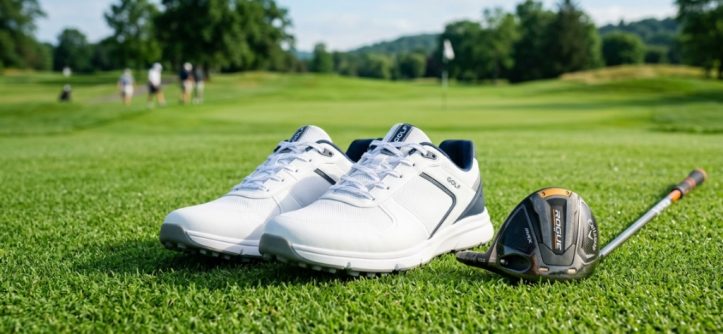
You finally decided to upgrade your golf footwear, but your heart sank when you saw the price tags on those premium brands. It is an all-too-common problem: you want reliable, comfortable, and durable golf shoes, yet every option seems to demand a small fortune. The frustration is real, and the fear of wasting money on a pair that falls apart after ten rounds is valid. That is where understanding true golf shoes value money comes in. This guide will walk you through exactly how to separate genuine quality from marketing hype, ensuring you get the best performance and longest lifespan for every dollar you spend this season.
Why Do Some Golf Shoes Cost Over $200 and Others Under $80?
The price gap mainly comes down to materials, brand licensing fees, and advanced technology features. Premium brands like FootJoy, Adidas, and Nike invest heavily in waterproof membranes, proprietary outsole compounds, and high-end leathers, which raises production costs. However, you do not always need these flagship features to play well.
Many mid-tier and budget-friendly models use synthetic leathers, basic waterproofing, and simpler spike patterns that still perform admirably for 95% of golfers. The key is knowing which premium features actually matter for your game—such as breathability versus full waterproofing—and skipping the upgrades that only add aesthetic value or celebrity endorsements to the price tag.
Decoding the Price Tag: What You Are Actually Paying For
- Materials: Genuine leather and Gore-Tex membranes cost significantly more than synthetic leathers and basic waterproof coatings.
- Brand Premium: Major athletic brands charge 15–30% more simply for their logo and marketing costs.
- Technology Licensing: BOA lacing systems, carbon fiber plates, and advanced cushioning foams add $20–$50 to the retail price.
- R&D Recoupment: Flagship models carry the burden of development costs that get spread across fewer units than budget lines.
What Features Actually Matter for Long-Term Value in Golf Shoes?
When evaluating golf shoes value money, focus on waterproof reliability, outsole grip pattern, and midsole cushioning that will not pack out after 30 rounds. These three factors directly impact comfort, performance, and shoe longevity more than any others. A shoe without good waterproofing will feel heavy and wet after morning dew. A weak outsole means slipping during a crucial swing. And flat cushioning leads to sore feet by the back nine.
The Three Non-Negotiable Features
- Waterproof Warranty: Look for shoes with at least a 1-year waterproof guarantee. The best budget options now offer 2-year warranties.
- Spike or Traction Pattern: For wet conditions, replaceable spikes (soft spikes) offer better grip than molded soles. For dry climates, spikeless options last longer and are more versatile.
- Heel Support: A rigid heel counter prevents your foot from sliding laterally, which causes blisters and instability during the swing.
When Is the Best Time to Buy Golf Shoes for the Biggest Discounts?
You will find the steepest discounts on golf shoes during October through December when retailers clear out current-season inventory to make room for new spring lines. Additionally, end-of-summer sales in August often knock 30–40% off summer-appropriate spikeless models. The worst time to buy is March through May, when demand peaks and prices are highest.
Annual Sales Calendar for Golf Shoe Savings
| Time of Year | Typical Discount | Best Shoe Types to Buy |
|---|---|---|
| August – September | 20–35% off | Spikeless, lightweight summer models |
| October – December | 30–50% off | All-season, waterproof, and spiked shoes |
| January – February | Clearance only | Last year’s stock, limited sizes |
| March – May | Full price | New arrivals, minimal deals |
How Can You Tell If a Budget Golf Shoe Will Actually Last?
The single best indicator of durability for budget golf shoes is the quality of the outsole rubber and how it is attached to the upper. Look for shoes where the outsole is stitched (or “strobel stitched”) to the upper, rather than simply glued. Glued soles are the first point of failure on cheap shoes. Also, press your thumb into the heel area—if the material compresses easily without firm support, the shoe will break down quickly.
Quick In-Store or Online Durability Checks
- Flex the shoe: A shoe that folds easily across the ball of the foot rather than at the arch has better structural integrity.
- Check stitching: Look for reinforced double stitching around the lacing eyelets and heel collar.
- Rubber density: Scratch the outsole with your fingernail. Soft rubber means better grip but faster wear; hard rubber lasts longer but can be slippery.
- Lining quality: Interior lining should feel smooth and not overly slick—a slick lining means your foot will slide inside the shoe.
Which Shoe Type Gives You More Value: Spiked or Spikeless?
Spikeless golf shoes generally provide better long-term golf shoes value money because they are more versatile. You can wear them to the driving range, on the course, and even casually after a round. Spiked shoes, while offering superior grip in wet conditions, wear down faster and require replacement spikes. For most golfers who play in moderate climates, a quality spikeless shoe with a robust tread pattern will outlast a comparable spiked model by 20–30 rounds.
Value Comparison: Spiked vs. Spikeless
| Factor | Spiked Shoes | Spikeless Shoes |
|---|---|---|
| Initial Cost | Higher ($130–$250) | Lower to mid ($80–$180) |
| Maintenance | Need spike replacements ($10–$20/year) | No maintenance required |
| Versatility | Course only | Course, range, casual wear |
| Lifespan | 1–2 seasons | 2–3 seasons |
Can You Find Tour-Level Comfort Without Paying Tour-Level Prices?
Yes, absolutely. Many budget and mid-tier models from brands like Skechers, New Balance, and Puma now use proprietary midsole foams that rival the comfort of top-tier Adidas Boost or Nike React technology. For example, Skechers’ Arch Fit and Hyperburst foams provide exceptional energy return and cushioning at roughly half the price of flagship competitors. The trick is to look for shoes that emphasize “cloud-like” or “responsive” cushioning in their descriptions, then verify that they use a closed-cell foam that resists compression over time.
Brands Offering Premium Comfort at Lower Prices
- Skechers: Arch Fit and Max Cushioning models. Comfort on par with $200 shoes.
- New Balance: Fresh Foam series. Excellent for wide feet and cushioning.
- Puma: RS-G and Fusion series. Good blend of style and comfort.
- Dunlop: Utility models for dry conditions. Extremely durable and under $70.
- Sandbaggers: Classic spikeless models. Often ignored but high value.
What Is the Most Common Mistake That Leads to Overpaying?
The number one mistake golfers make is buying a shoe based on brand reputation or professional endorsement rather than actual fit and playing conditions. A golfer who plays in dry Arizona summers does not need a $250 fully waterproof boot. Similarly, someone with wide feet who buys a narrow-fitting premium brand because it is “the best” will end up with blisters and wasted money. Always match the shoe features to your local climate, course conditions, and foot shape before considering the brand name.
How to Match Shoes to Your Needs
- Analyze your climate: If you play in morning dew or rain, prioritize waterproofing. If you play in dry heat, prioritize breathability.
- Check your foot shape: Measure your foot width and arch type before shopping. Many premium brands run narrow.
- Consider your walking load: If you usually ride a cart, traction is less critical. If you walk 18 holes, cushioning and weight are more important.
- Ignore pro endorsements: Tour pros use custom-fitted shoes that differ from retail versions. Their shoe choice does not apply to you.
How Should You Care for Golf Shoes to Maximize Their Lifespan?
Proper care can add 6–12 months of life to any golf shoe, effectively increasing your value per wear significantly. After each round, remove the grass and dirt from the outsole using a stiff brush, and always shake out the inside debris. Never machine wash golf shoes. Instead, wipe them with a damp cloth and air dry them away from direct heat. For leather shoes, apply a conditioner once per month to prevent cracking. For synthetic shoes, a simple cleaning after muddy rounds is usually enough.
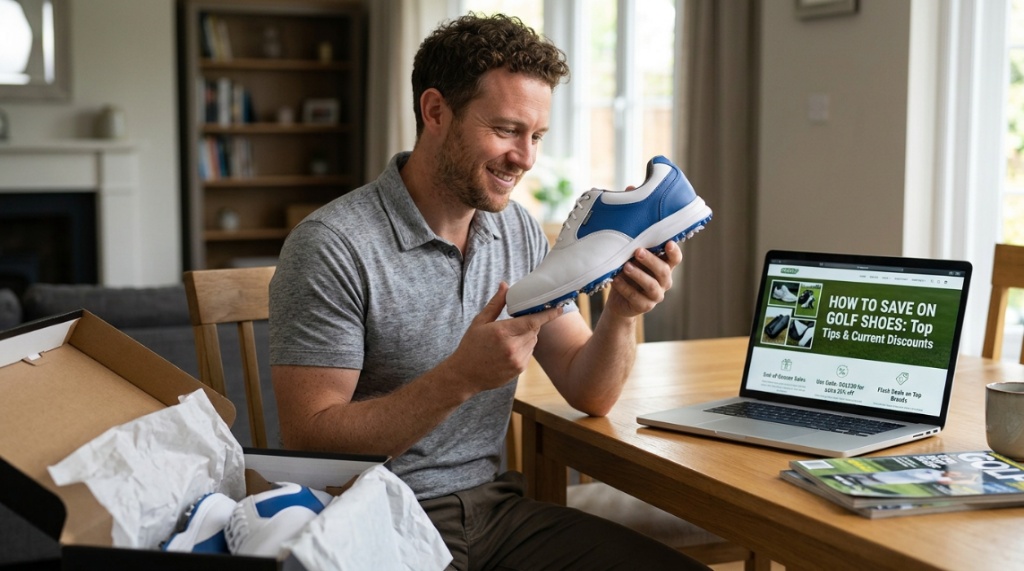
Five Care Tips for Longer Shoe Life
- Dry properly: Stuff the shoes with newspaper after wet rounds to absorb moisture and maintain shape.
- Rotate pairs: If you can afford two budget pairs, rotating them every other round extends total lifespan by up to 50%.
- Clean after every round: Dried mud and grass degrade fabric and stitching over time.
- Store in a cool, dry place: Heat from a car trunk or garage in summer can delaminate glue.
- Replace insoles: After 50–80 rounds, replace the insole with an aftermarket one for renewed cushioning without buying new shoes.
Is It Worth Buying Last Year’s Model?
Yes, buying last year’s model is one of the smartest ways to maximize golf shoes value money. Shoe technology changes slowly—the waterproofing, grip patterns, and cushioning foams from two years ago are often 95% as effective as current models, but at 40–60% of the cost. The only risks are limited colorways and reduced size availability. If you find a previous-generation model in your size, it is almost always a better value proposition than a current-season release.
Where to Find Last Year’s Models
- Golf Discount stores: Golf Galaxy and PGA Tour Superstore clearance racks.
- Amazon: Search by model year (e.g., “2023 golf shoes”).
- eBay: New with tags (NWT) listings from overstock sellers.
- Rock Bottom Golf: Specializes in closeout and previous-season inventory.
What Should You Never Compromise On When Buying Budget Golf Shoes?
Never compromise on proper fit and outsole grip. A shoe that is half a size too large or too small will cause discomfort regardless of price. Similarly, a budget shoe with a cheap plastic outsole that offers little traction is dangerous, especially on dewy grass. You can compromise on brand name, color, style, and even breathability to some extent, but poor fit and dangerous slipping are non-negotiable deal-breakers even at the lowest price points.
Frequently Asked Questions
Are expensive golf shoes worth the money for beginners?
Not usually. Beginners can find excellent golf shoes value money in the $60–$100 range from reputable budget brands. Until your swing is consistent, premium features like advanced traction and stability plates offer little benefit over a well-fitted mid-range shoe.
How often should I replace my golf shoes?
Most golf shoes last between 50 and 100 rounds, or roughly 1–2 seasons. Replace them when you notice the outsole is smooth, the waterproofing fails (wet socks), or the midsole cushioning feels flat and hard.
Can I wear golf shoes off the course?
Spikeless golf shoes with flat outsoles are comfortable for casual wear, such as driving ranges, short walks, or casual outings. Spiked shoes should be reserved for the course only, as they wear down quickly on concrete and can damage indoor flooring.
Do cheaper golf shoes cause foot pain?
Not necessarily. Foot pain comes from poor fit and lack of arch support, not price. Many budget shoes now include decent insoles. If a cheap shoe causes pain, replace the insole with a quality orthotic insert rather than buying an entirely new pair.
Is synthetic leather as durable as real leather in golf shoes?
Modern synthetic leathers are almost as durable as real leather for golf shoes and are lighter and more water-resistant. Real leather molds better to your foot over time but requires more maintenance. For most golfers, high-quality synthetic is the better value choice.
What is the best value golf shoe brand for 2025?
Skechers consistently offers the best value for money, combining premium comfort foams with durable outsoles at prices 30–50% lower than top-tier brands. New Balance and Puma also provide strong value for specific foot shapes and playing conditions.
Should I buy golf shoes online without trying them on?
Only if you know your exact size in that specific brand. Shoe sizing varies significantly between manufacturers. If buying online for the first time, choose a retailer with free returns and order two sizes to try on at home. Alternatively, visit a store to try on a model, then search for discounts online.
Saving money on your footwear means you have more budget to invest in gear that directly impacts your scorecard. For instance, pairing your affordable footwear with the right Golf Ball for a 12 Handicap Player in 2026 can drastically improve your distance and control without breaking the bank.
Conclusion
Avoiding overpayment for golf shoes comes down to three simple principles: know which features you actually need, time your purchase strategically, and prioritize fit over brand hype. By focusing on waterproof reliability, proper cushioning, and versatile outsole design—and by shopping during clearance seasons or for last year’s models—you can secure a high-performing pair without stretching your budget. The best shoe is not the most expensive one; it is the one that fits your feet perfectly, matches your playing conditions, and lasts for many rounds to come. Before you buy your next pair, evaluate your needs honestly, and you will find that genuine golf shoes value money is more accessible than most golfers realize. Start your search today and enjoy more comfortable rounds while keeping more money in your pocket.



Leave a Reply