
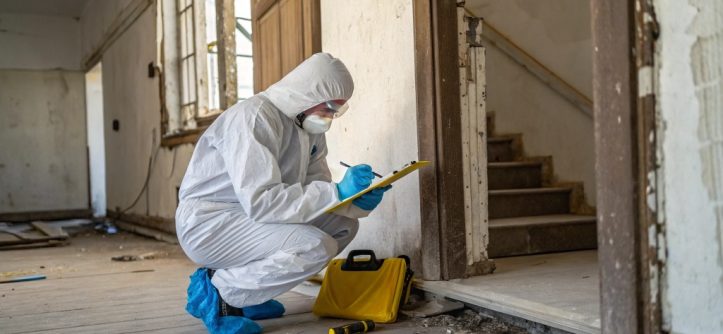
Key Takeaways
- Regular asbestos inspections are essential for maintaining safety and compliance in older buildings.
- Documented inspection records and timely interventions reduce legal liabilities and protect occupants.
- Engaging licensed professionals and taking a proactive approach is vital to effective asbestos management.
The Importance of Regular Asbestos Inspections
Asbestos-containing materials (ACMs) are prevalent in many structures built before the late 20th century, as asbestos was widely used for its fire-resistant and insulating properties. While undisturbed asbestos can remain safely encapsulated within construction materials for years, the risk arises when these materials degrade, become damaged, or are accidentally disturbed during routine maintenance, renovations, or unforeseen incidents. When tiny asbestos fibers are released into the air, they can be inhaled or ingested by building occupants, which starts a cascade of long-term health consequences that may not become apparent until many years later.
Consistent asbestos inspection is not merely a matter of routine; it is a critical aspect of a comprehensive building safety strategy. These inspections are the primary line of defense against the hidden dangers of aging or damaged ACMs. Timely identification of risks before they escalate not only keeps occupants safe but also provides property owners with much-needed peace of mind. Regular inspections are essential for proactively detecting negligent or accidental disturbances to asbestos, which can pose significant health risks. Tragically, conditions such as asbestosis, mesothelioma, and lung cancer can all result from asbestos exposure, highlighting the importance of diligent monitoring.
Regulatory Compliance and Legal Responsibilities
The presence of asbestos in buildings entails legal responsibilities to safeguard health. In the UK, the Control of Asbestos Regulations 2012 require the identification, documentation, and management of asbestos risks, with enforcement through HSE inspections. In the U.S., EPA and OSHA laws prioritize routine inspections and transparent risk management. Compliance involves developing asbestos management plans, conducting inspections, and safely removing or containing ACMs. These regulations cover commercial, industrial, and many residential buildings, especially older and multi-family structures. Failure to comply can result in fines, legal consequences, and damage to reputation, which can diminish property value. Ethical duties towards tenants, workers, and visitors underscore the importance of proper asbestos management to ensure safety, foster trust, and promote responsible property use.
Determining Frequency and Best Practices for Inspections
The frequency of asbestos inspections varies and should be tailored to each property’s characteristics and use. Older buildings and those with known or likely asbestos content should be reviewed at least annually, with more frequent checks in certain circumstances. Properties exposed to regular wear, high-occupancy areas, and locations serving sensitive populations—such as schools, childcare centers, and medical facilities—require vigilant and more frequent re-inspections to ensure occupant safety.
Specific events, such as renovations, unexpected damage (e.g., floods, fires, structural incidents), or changes in building use, necessitate immediate asbestos assessments, regardless of the regular schedule. During these times, disturbance of encapsulated ACMs is more likely, increasing the risk of fiber release.
Alongside regular inspections, property managers must be ready to act quickly if ACMs are found. Safety, comprehensive asbestos abatement & removal procedures help prevent the spread of contamination, contain fibers, and ensure proper disposal according to regulatory guidelines. These steps reassure occupants that their environment remains safe.
Documentation and Property Ownership Transitions
Keeping detailed, up-to-date records of asbestos inspections, risk assessments, and remediation steps is vital for effectively managing asbestos in any building. Such documentation creates a transparent safety record and ensures due diligence during sales, leases, or management transitions. Records should detail inspection dates, locations of ACM, findings, actions taken, and recommendations for future steps. These logs ease ownership changes, providing reassurance and preventing oversights as new owners or managers inherit the complete asbestos management history. They also fulfill legal requirements and serve as essential evidence in disputes involving property condition, insurance claims, or tenant disputes.
The Role of Licensed Asbestos Professionals
Safe asbestos inspection and handling demand specialized training, appropriate licensing, and proper PPE. Employing licensed inspectors or consultants ensures that all procedures—ranging from sampling to reporting—comply with safety standards and legal regulations. They create customized plans that reduce exposure to risks, liabilities, and compliance issues. Property owners should steer clear of DIY asbestos removal or inspection, as improper handling endangers occupants and untrained individuals. Relying on qualified professionals ensures the safety, health, and financial protection of everyone involved.
Conclusion
Proactively incorporate asbestos inspections into your maintenance routine to guarantee safety, compliance, and peace of mind. Maintain thorough records, adhere to recommended assessment schedules, and collaborate with licensed professionals to manage risks. Staying up-to-date on regulations helps create a healthier and safer environment.




Leave a Reply