
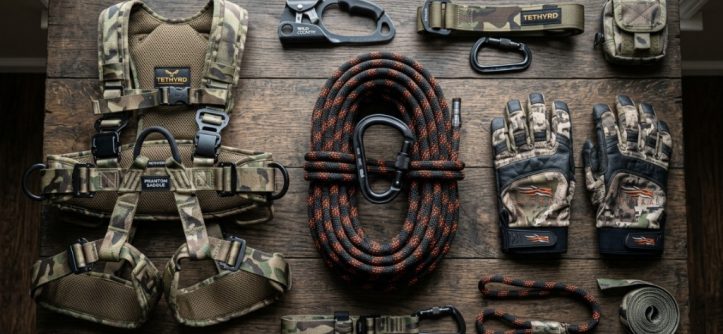
You’ve got your tree stand, your safety harness, and your gear. But when you go to hoist your bow or secure a lineman’s belt, you realize the rope you grabbed from the garage is frayed, stiff, or just not safe. Buying a quality rope for tree hunting can feel like another expensive line item in a budget-busting hobby. The problem is real: cheap ropes break or fail in wet conditions, while expensive ones hurt your wallet. The solution is knowing exactly what features matter for hunting and where to source affordable hunting ropes that won’t let you down. This guide will walk you through everything you need to know to buy a safe, durable, and budget-friendly rope for tree work without wasting your money on junk.
What Makes a Hunting Rope Suitable for Tree Work?
A hunting rope intended for tree climbing, hauling gear, or securing a stand must balance strength, flexibility, and weather resistance. Unlike general-purpose utility ropes, hunting ropes must handle dynamic loads and repeated exposure to bark, moisture, and cold without slipping or degrading.
Breaking Strength vs. Working Load
Never confuse a rope’s breaking strength with its safe working load. Most arborist and hunting ropes have a breaking strength of 4,000 to 6,000 pounds, but you should only use about 10% to 20% of that for dynamic climbing tasks. A rope rated at 5,000 pounds breaking strength offers a safe working load of around 500 to 1,000 pounds for static hauling. For climbing, always use a rope specifically rated for life-safety applications.
Material Matters: Polyester vs. Nylon vs. Dyneema
Polyester ropes resist UV damage and hold up well in wet conditions, making them a solid affordable choice for tree stand ropes. Nylon offers excellent shock absorption but weakens when wet. Dyneema is incredibly strong and lightweight but costs significantly more. For most budget-conscious hunters, a high-quality polyester double-braid rope provides the best balance of cost, durability, and performance.
Diameter and Flexibility
Ropes between 3/8 inch and 1/2 inch work best for tree climbing and gear hauling. A 3/8-inch rope is lighter and easier to tie knots with, while a 1/2-inch rope offers more grip and comfort for pulling heavy loads. Test flexibility by bending the rope back and forth; stiff ropes indicate cheap manufacturing or old stock.
Why Not All Budget Ropes Are Safe for Climbing
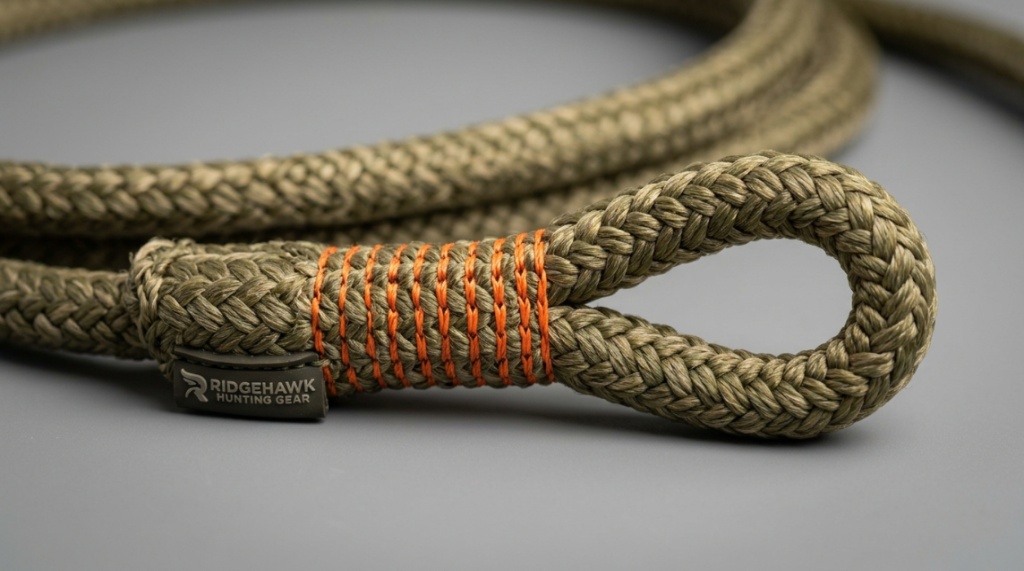
The biggest mistake hunters make is grabbing a cheap hardware store rope designed for towing or utility work. These ropes lack the dynamic properties and abrasion resistance needed for climbing and can fail catastrophically under a sudden load.
The Dangers of General-Purpose Polypropylene Ropes
Polypropylene ropes float and resist chemicals, but they degrade quickly in sunlight and become brittle. Under the friction of a tree branch or carabiner, a polypropylene rope can snap without warning. They also stretch inconsistently, making them unreliable for securing a tree stand or hauling a heavy deer carcass. Avoid anything labeled as “utility” or “general purpose.”
Factory Seconds and Discounted Safety Gear
Some retailers sell factory-second ropes at a discount. These may have minor cosmetic flaws like discoloration or a slightly loose weave that do not affect strength. However, never buy a rope with a cut jacket, frayed strands, or any visible damage. If the price seems too good to be true, inspect every inch before using it for climbing.
Trusted Certifications to Look For
Look for ropes that meet ANSI or UIAA standards for climbing or arborist use. While not all affordable ropes carry these certifications, many budget-friendly ropes designed specifically for hunting or tree work will list them. A rope without any certification can still be safe if sourced from a reputable manufacturer, but you should verify its tensile strength and construction type.
How to Choose the Right Rope Length and Thickness
Selecting the correct length and thickness keeps you safe and saves money. Buying a 150-foot rope when you only need 50 feet wastes cash, while buying too short a rope can leave you stranded mid-climb.
Standard Lengths for Tree Stand Setup
For most climbing stand setups, a 60-foot rope offers enough length to ascend a typical tree and tie off securely. If you hunt in areas with very tall trees or prefer using a rope for rappelling down, a 100-foot rope provides extra margin. For hauling gear alone, a 30-foot rope is sufficient and costs much less.
Matching Rope Thickness to Your Equipment
Check your climbing sticks, carabiners, and ascenders for recommended rope diameters. Many tree stand manufacturers specify 3/8-inch or 7/16-inch rope. Using a rope that is too thick will not feed through mechanical devices, while a rope that is too thin may slip in prusik knots or cam-locking devices. Measure your hardware before buying.
Budget-Friendly Rope Kits vs. Bulk Spools
Purchasing a pre-cut hunting rope kit with spliced eyes or finished ends often costs more per foot but saves time and ensures proper terminations. If you know how to splice or tie knots reliably, buying bulk spools of affordable hunting ropes can cut your cost by 30% or more. Many experienced hunters keep a 100-foot bulk spool and cut custom lengths for different setups.
Which Rope Materials Offer the Best Value for Hunters
Value does not always mean the lowest price. It means getting a rope that lasts multiple seasons, performs well in your hunting conditions, and remains safe throughout its lifespan.
Polyester Double-Braid: The Budget Champion
Polyester double-braid ropes offer excellent abrasion resistance, minimal stretch under load, and strong UV resistance. They feel smooth in hand and handle well even when wet. For around $0.30 to $0.60 per foot, you get a rope that competes with premium options for general tree work. Brands like Samson, New England Ropes, and Yale produce affordable polyester double-braid ropes suitable for hunting.
Nylon: When Shock Absorption Matters
If you use your rope for rappelling or dynamic climbing where sudden falls are possible, nylon’s elasticity provides a softer catch. However, nylon loses up to 20% of its strength when wet and degrades faster under UV. For static tree stand climbing in dry climates, nylon works fine. For wet, rainy environments, polyester is safer and more affordable in the long run.
Dyneema and Amsteel: High Cost, High Reward
Dyneema-based ropes are incredibly strong for their weight and do not absorb water. They cost two to three times more than polyester. For hunters who backpack into remote locations and need the lightest gear possible, Dyneema justifies its cost. For weekend hunters with truck access, polyester offers better value.
Can You Use Climbing Ropes Designed for Arborists?
Yes, arborist climbing ropes work exceptionally well for hunting because they are built for the exact conditions hunters face: friction against bark, branch abrasion, and weight-bearing loads. Many arborist ropes are also surprisingly affordable.
Arborist Rope vs. General Climbing Rope
Arborist ropes are typically double-braid or 16-strand constructions that resist abrasion from tree bark. General climbing ropes, like those used for rock climbing, prioritize impact absorption and elasticity. For hauling gear and ascending static lines, arborist ropes are the better, more affordable choice. For emergency rappelling or fall protection, use a dynamic climbing rope.
Where to Find Discounted Arborist Ropes
Look for arborist supply stores, tree service clearance sales, or online marketplaces where professionals sell surplus inventory. Because arborists replace ropes frequently for safety compliance, you can often find nearly new ropes at a fraction of retail price. Just inspect them thoroughly for damage and check the manufacture date. Ropes older than five years should be retired, even if they look fine.
How to Test an Arborist Rope for Hunting Use
Run the rope through your hands to feel for soft spots, lumps, or inconsistencies. Check the sheath for any cuts or excessive fuzziness. Perform a simple bend test: if the rope holds a kink, the core may be damaged. Arborist ropes that pass these tests are generally safe and significantly cheaper than ropes marketed specifically to hunters.
How to Find Affordable Hunting Ropes Online and in Stores
Finding cheap ropes is easy. Finding cheap ropes that are also safe and durable requires knowing where to look and what questions to ask.
Online Retailers with Consistent Discounts
Sites like SherrillTree, TreeStuff, and Wesspur offer regular sales on arborist ropes. Amazon and eBay have budget options but require careful vetting of seller reviews. Specialized retailers often sell overstock or discontinued colors at deep discounts. Signing up for email alerts can catch flash sales that cut prices by 40% or more.
Local Farm and Fleet Stores
Stores like Tractor Supply, Rural King, and local co-ops carry ropes intended for agricultural use. Look for “arborist” or “climbing” on the label. Some store clerks may not know the difference, so bring your own specifications. You can sometimes find high-quality polyester ropes in the bulk section for under $0.40 per foot.
Using the Right Search Terms
Search for “arborist climbing rope clearance,” “polyester double-braid rope bulk,” or “hunting rope for tree stand.” Avoid generic terms like “cheap rope,” which return low-quality results. One reliable source for budget-friendly options includes listings for affordable hunting ropes that have been vetted by outdoor professionals.
How to Inspect and Maintain Your Hunting Rope for Longevity
A well-maintained affordable rope can last three to five seasons. Poor maintenance can destroy a rope in one season. Knowing how to care for your rope protects your investment and your safety.
Daily Inspection Checklist
Check for abrasion, cuts, discoloration, and stiffness before every hunt. Run the entire length through your hands while looking for inconsistencies. Pay special attention to the first three feet from each end, where damage most often occurs. If you find any fuzzy sections that expose the core, retire the rope immediately,
When sourcing budget-friendly gear, looking at versatile utility options can save money. For example, if you are multitasking with camp setups or DIY gear modifications, consider checking out our hands-on review analyzing the strength and utility of the Faxco 10ft Cotton Rope for Crafts and More to see where it fits best in your gear kit.
Proper Storage Techniques
Store ropes in a cool, dry place away from direct sunlight, chemicals, and gasoline. Coil loosely or use a rope bag to prevent kinks. Never leave a rope tied around a tree overnight, as moisture and bark acid can weaken fibers. Hang ropes vertically in a garage or shed for best airflow.
When to Replace an Affordable Rope
Replace any rope that has held a significant fall, been subjected to a sudden shock load, or shows signs of chemical exposure. For casual hunting use, replace ropes every three years regardless of appearance. The cost of a new affordable rope is far less than the cost of a hospital visit from a failed rope.
The Pros and Cons of Buying Second-Hand Hunting Ropes
Second-hand ropes can save you significant money, but they carry inherent risks. Weigh the pros and cons carefully before trusting a used rope with your safety.
Pros of Buying Used Ropes
- Significant cost savings, often 50% to 70% off retail.
- Access to premium brands you might not afford new.
- Environmentally friendly option that reduces waste.
Cons of Buying Used Ropes
- Unknown history of loads, falls, or chemical exposure.
- Potential for hidden internal damage that cannot be seen.
- No manufacturer warranty or certification guarantee.
If you choose to buy used, limit purchases to trusted friends or hunting partners who can honestly recount the rope’s history. Never buy from strangers at gun shows or flea markets without extreme scrutiny.
How to DIY Your Own Hunting Rope Setup on a Budget
Building your own rope system from bulk components can save 40% to 60% compared to buying pre-assembled kits. With basic knot skills, you can create a custom setup that fits your exact hunting style.
Tools You Will Need
You need a sharp knife, a lighter for sealing ends, measuring tape, and a fid or splicing tool if you plan to create spliced eyes. A rope cutter or hot knife prevents fraying. Basic supplies cost under $30 for tools that last for years.
Step-by-Step for a Haul Line
Cut a 40-foot length of 3/8-inch polyester double-braid rope. Seal both ends with heat. Tie a figure-eight knot on one end and attach a carabiner. On the other end, tie a small loop with a double fisherman’s knot to create a cinch point for your gear. This simple haul line costs less than $15 and outperforms many store-bought options.
Adding a Prusik Loop for Climbing
A prusik loop allows you to ascend a static rope without mechanical ascenders. Purchase a 5-foot length of 7mm accessory cord for around $10. Tie it into a loop with a double fisherman’s knot. This loop wraps around your main rope and grips when weighted, providing a budget-friendly climbing system that is safe when properly tied.
Frequently Asked Questions
What is the best inexpensive rope for hunting?
The best inexpensive hunting rope is a 3/8-inch polyester double-braid rope with a breaking strength of at least 4,000 pounds. It offers good grip, weather resistance, and durability for under $0.50 per foot.
How often should I replace my hunting rope?
Replace your hunting rope every three years for casual use, or immediately after it has held a fall or shows signs of fraying, stiffness, or chemical damage. Frequent users should inspect before every hunt and replace annually.
Can I use a static rope for tree stand climbing?
Yes, static ropes work well for tree stand climbing because they have minimal stretch and provide stable footing. Use a dynamic rope if you need fall protection or plan to rappel down under load.
Is it safe to buy hunting ropes from Amazon?
Yes, if you carefully check the rope specifications, seller ratings, and reviews. Look for brand names like Samson, Sterling, or New England Ropes. Avoid generic unbranded ropes that may not list breaking strength or material type.
What length rope do I need for a climbing tree stand?
Most hunters need 40 to 60 feet of rope for a standard climbing tree stand setup. If you hunt extremely tall trees or need extra for rappelling, a 100-foot rope provides flexibility without excessive waste.




Leave a Reply