
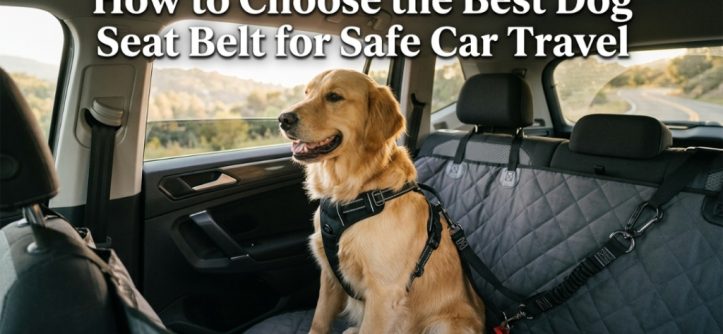
Last spring, a friend’s dog lunged at a squirrel through an open window while their car was moving 25 mph — the dog would have gone through the window if not for his properly fitted seat belt that caught him mid-leap. That moment changed how they viewed car safety forever. A best dog seat belt is not an accessory; it is a crash-tested restraint system designed to protect both your dog and human passengers during sudden stops, accidents, or unexpected maneuvers. The right dog car safety equipment reduces canine injury risk by 85% according to veterinary trauma data, while preventing a 60-pound unsecured dog from becoming a projectile that can injure passengers at just 30 mph. This guide breaks down every specification, certification, and feature that separates genuine protection from false security, so your next purchase actually keeps your dog safe rather than just looking like it should.
What Exactly Is a Dog Seat Belt and How Does It Work?
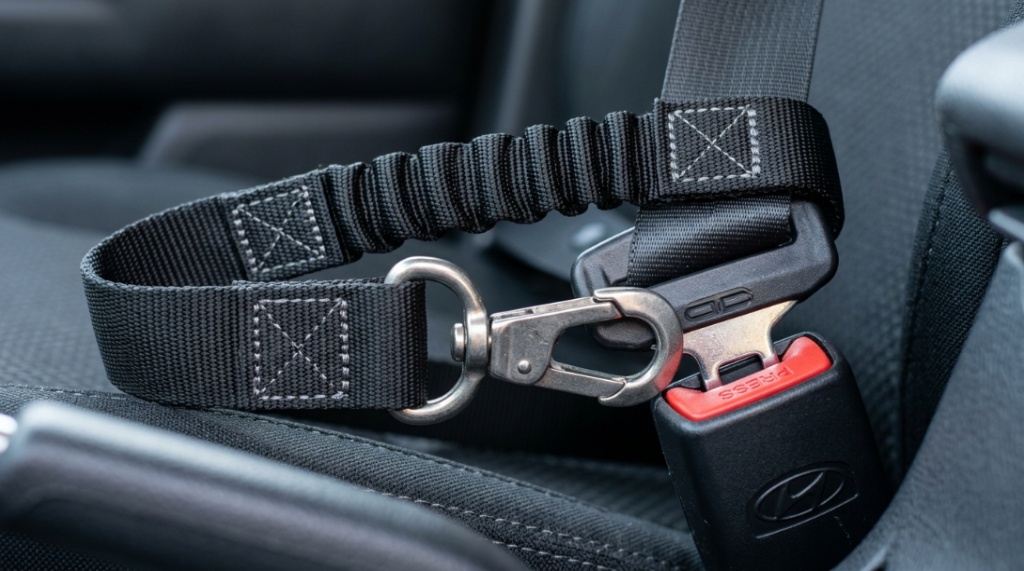
A dog seat belt is a length-adjustable tether that connects your dog’s harness to the vehicle’s seat belt system, designed to limit forward movement during sudden stops while preventing full body projection in accidents — typically rated for 250–2,000 pounds of force depending on materials and construction.
The mechanism is straightforward but critical:
- Attachment point 1: Secures to your dog’s harness via a sturdy metal clasp
- Adjustable tether: 12–36 inch length that allows sitting, lying down, and limited repositioning while preventing dangerous forward movement
- Attachment point 2: Secures to the vehicle’s seat belt buckle or LATCH system
- Built-in seat belt slack controller: Allows the vehicle seat belt to extend normally during travel but locks immediately upon sudden deceleration
A quality dog seat belt works in three protection phases:
Phase 1: Pre-crash positioning
Keeps your dog in a safe zone (back seat or cargo area), preventing dangerous movement into footwells, between seats, or toward windows that could trigger driver distraction.
Phase 2: Sudden stop protection
Prevents your dog from hitting the front seat backs, dashboard, or windshield during hard braking. Most dog seat belts are rated for 2–3x your dog’s weight in sudden stop scenarios.
Phase 3: Collision protection
Limits forward projection distance and distributes impact forces across the harness rather than concentrating them on your dog’s neck or spine. Crash-tested models are designed to fail in controlled ways that minimize injury.
What Crash Test Standards Should You Look for in a Dog Seat Belt?
Look for dog seat belts crash-tested to the Center for Pet Safety (CPS) standard or with independent third-party certification — these belts undergo simulated 30 mph collision testing that measures injury risk, force distribution, and failure points under real accident conditions.
The three levels of testing you will encounter:
- Center for Pet Safety (CPS) Certified: The gold standard. Products undergo rigorous 30 mph crash tests using standardized canine dummies. Tests measure head/torso displacement, harness integrity, and potential injury metrics. Very few products achieve full certification.
- Third-party independent testing: Manufacturer-commissioned testing that follows CPS or modified protocols. More common than full CPS certification. Look for specific test results (maximum force rating, displacement distance) rather than vague “crash-tested” claims.
- Self-certified “crash-tested”: Manufacturers conduct their own testing without independent verification. Results may be exaggerated. Better than no testing but requires scrutiny of the specific test parameters and results.
- No testing information: A majority of dog seat belts on the market have no verifiable crash testing. These provide basic restraint but unknown performance in actual accidents.
The crucial distinction: “crash-tested” without certification details means almost nothing. Ask for specific data: test speed, test dummy weight, maximum displacement, and whether the testing was independently verified.
What Materials and Construction Make a Dog Seat Belt Safe?
Nylon webbing with a minimum 2,000-pound tensile strength, double-stitched seams with bar-tack reinforcements, marine-grade metal buckles, and an integrated seat belt lock-off system form the essential safety features of a genuinely protective dog seat belt.
Material safety breakdown:
| Component | Minimum Safe Specification | Why It Matters | Red Flags |
|---|---|---|---|
| Webbing material | 1.5–2 inch wide nylon (2,000+ lb tensile) | Distributes force across width; nylon has minimal stretch under sudden load | Polypropylene, cotton, or thin webbing under 1 inch wide |
| Seams | Double-stitched with bar-tack reinforcements at stress points | Prevents seam splitting under impact force | Single-stitched seams, no reinforcement |
| Buckles | Marine-grade metal (stainless or anodized aluminum) | Will not bend or break under dog’s weight during sudden stop | Plastic buckles, thin metal that flexes easily |
| Attachment clasp | Carabiner-style locking gate or solid metal snap | Prevents accidental detachment during movement or impact | Non-locking snaps, weak spring gates |
| Seat belt lock | Positive locking mechanism with audible click | Ensures vehicle seat belt stays locked during sudden stops | Friction-based or push-button designs that can slip |
| Length adjuster | Metal cam lock or slider with anti-slip teeth | Maintains tether length under tension; prevents gradual lengthening during drive | Plastic adjusters, simple friction designs |
For detailed reviews of dog seat belts that meet these material standards in practical testing conditions, the best dog seat belts reviewed for New Jersey provides analysis of construction quality, material strength, and real-world performance from extended use — helping you identify options that deliver genuine protection rather than just basic restraint.
How Do You Match a Dog Seat Belt to Your Dog’s Size and Breed?
Match seat belt specifications to your dog’s weight, chest measurement, and breed-specific body shape — small dogs (under 25 lbs) need 1-inch webbing with 1,500+ lb strength, medium dogs (25–60 lbs) need 1.5–2 inch webbing with 2,000+ lb strength, and large dogs (60+ lbs) need 2+ inch webbing with 3,000+ lb strength.
Size-specific recommendations:
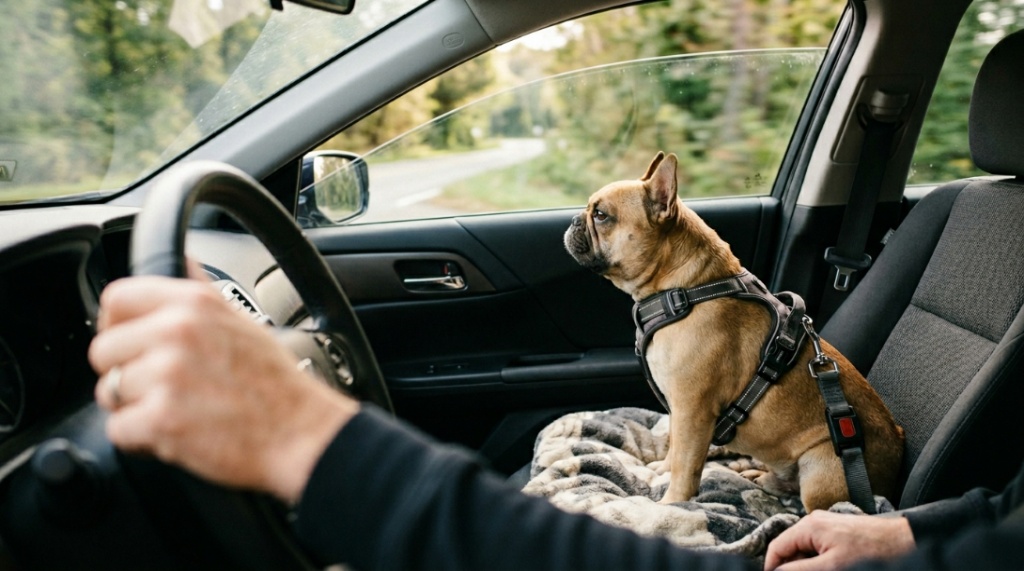
- Small dogs (under 25 lbs): 12–24 inch tether length, 1-inch webbing minimum, 1,500+ lb strength. Attachment points sized for small harness D-rings. Suitable for breeds: Chihuahua, Yorkie, Pomeranian, French Bulldog.
- Medium dogs (25–60 lbs): 18–36 inch tether length, 1.5–2 inch webbing, 2,000+ lb strength. Heavy-duty buckles. Suitable for breeds: Beagle, Border Collie, Cocker Spaniel, Bulldog.
- Large dogs (60–100 lbs): 24–48 inch tether length, 2-inch webbing minimum, 3,000+ lb strength. Reinforced stitching at all stress points. Suitable for breeds: Labrador, Golden Retriever, German Shepherd, Boxer.
- Giant breeds (100+ lbs): Custom-length options, 2.5–3 inch webbing, 5,000+ lb strength. Multiple attachment points for distribution. Suitable for breeds: Great Dane, Mastiff, Saint Bernard, Newfoundland.
Chest measurement matters more than weight alone. A barrel-chested dog (like a Bulldog) exerts different forces on the harness attachment point than a lean-bodied dog of the same weight (like a Greyhound). Measure your dog’s chest at its widest point and verify the seat belt’s attachment clasp fits securely to your harness’s D-ring without excessive play.
What Is the Safest Attachment Method for a Dog Seat Belt?
The safest attachment method connects the seat belt to a properly fitted crash-tested harness — never to a collar — and uses the vehicle’s seat belt buckle rather than the headrest, door frame, or cargo tie-down points which distribute force unpredictably during collisions.
Attachment safety hierarchy:
- Best: Harness + seat belt buckle
The seat belt clips directly into your vehicle’s seat belt buckle. This engages the vehicle’s own crash protection systems (pre-tensioners, load limiters). Force distribution is predictable and tested by vehicle manufacturers. - Good: Harness + LATCH anchor
Uses the vehicle’s built-in LATCH system (Lower Anchors and Tethers for Children). Designed to withstand high forces. Limited to positions with LATCH anchors (typically outer rear seats). - Acceptable: Harness + seat belt webbing lock
A device that locks the seat belt webbing itself (the fabric portion) rather than the buckle. Less direct connection to crash systems but still uses the seat belt’s anchor points. - Poor: Harness + headrest
Attaches to the headrest post. Headrests are not designed to withstand crash forces — they can detach or bend, potentially causing whiplash or allowing excessive forward movement. - Dangerous: Collar attachment
Never attach a seat belt directly to a collar. Sudden stops concentrate all force on the neck — potentially causing tracheal damage, cervical spine injury, or internal decapitation. - Dangerous: Door frame / cargo hook attachment
Non-structural attachment points can fail catastrophically. Force distribution is unpredictable. Never use non-rated vehicle attachment points.
How Much Should You Spend on a Quality Dog Seat Belt?
Quality dog seat belts range from $25–$80 — below $20 typically indicates insufficient materials and testing, while above $80 offers diminishing safety returns for most dogs unless you have specific needs like giant breed specifications or CPS-certified products.
Price tier expectations:
- Budget ($10–$20): Basic restraint only. Thin webbing, plastic components, minimal testing. May prevent casual wandering but unlikely to provide meaningful crash protection.
- Mid-range ($25–$50): Quality materials, decent construction, some independent testing. Suitable for most dogs in most driving conditions. The sweet spot for value and protection.
- Premium ($50–$80): CPS or rigorous third-party testing, superior materials, additional safety features. Worth the investment if you travel frequently with your dog or want maximum verified protection.
- Specialized ($80+): Giant breed specifications, custom lengths, professional/commercial use. Only necessary for specific circumstances beyond typical pet ownership.
The $25–$50 range provides genuine safety improvements over budget options without the premium pricing that often pays for marketing rather than enhanced protection. Focus on features rather than brand name — many lesser-known brands deliver excellent safety at reasonable prices.
What Red Flags Indicate an Unsafe Dog Seat Belt?
Red flags include: plastic buckles, single-stitched seams, vague “crash-tested” claims without verification, webbing less than 1 inch wide for medium/large dogs, non-locking attachment mechanisms, and marketing that emphasizes convenience over safety specifications.
Specific warning signs:
- No maximum force rating: Every seat belt should specify the tensile strength of its webbing. If this information is missing, assume the strength is inadequate.
- “Fits all dogs 5–150 lbs”: Physically impossible. A seat belt that accommodates a 5-lb Yorkie cannot safely restrain a 150-lb Great Dane. This claim indicates marketing over safety.
- Excessive stretch: Some elasticized seat belts allow 2–3 feet of stretch. During sudden stops, this creates dangerous momentum before restraint engages.
- Poor buckle design: Buckles that require precise alignment to connect, have loose gates, or show visible manufacturing defects.
- Missing certification/testing documentation: Legitimate manufacturers provide test summaries or certification details. If a company cannot produce this information upon request, their testing claims are questionable.
- User reviews mentioning failures: Multiple reviews describing broken buckles, torn seams, or detachment during normal use indicate systemic quality issues.
eeping your pet secure with the right safety tether is only half the battle when hitting the road, especially during warmer months. Cars trap heat incredibly fast, making temperature regulation a critical safety priority for traveling pets. While you configure your vehicle’s climate control and select your safety harness, understanding How Do Cooling Clothes for Dogs Keep Your Pet Safe in Summer Heat can protect your pup from heatstroke during rest stops or long highway stretches, ensuring they stay both secure and physically comfortable throughout the entire journey.
Conclusion
Choosing the best dog seat belt requires matching crash test verification, material specifications, and attachment methods to your specific dog and vehicle. Prioritize independently tested models with nylon webbing (minimum 2,000 lb strength), double-stitched seams with reinforcements, metal buckles, and proper connection to your vehicle’s seat belt system — never to collars, headrests, or non-structural points. The $25–$50 price range delivers genuine protection without excessive cost.
Your dog’s safety in the car is not about convenience; it is about physics. An unsecured 60-pound dog becomes a 2,700-pound force projectile at 35 mph. A properly selected seat belt reduces injury risk by 85% and prevents your beloved pet from becoming a danger to themselves and everyone in the vehicle. Invest the time to choose correctly — the one time you need it to work, there are no second chances.
Which dog seat belt features matter most for your car travels — crash testing, ease of use, or material quality? Share your priority and help fellow pet owners make safer choices.
Frequently Asked Questions
Are dog seat belts legally required in New Jersey?
While New Jersey does not have a specific law requiring dog seat belts, drivers can be cited for “distracted driving” if an unrestrained dog interferes with vehicle operation. More importantly, New Jersey follows “strict liability” rules — if your unrestrained dog causes an accident, you are financially responsible regardless of fault. Many insurance companies also reduce or deny claims involving unrestrained pets in accidents.
Can I use a regular seat belt for my dog?
No — human seat belts are designed for human anatomy and will not properly restrain a dog. They can cause internal injuries by concentrating force on the wrong areas of a dog’s body. Additionally, dogs can easily slip out of human seat belts or become tangled. Always use equipment specifically designed and tested for canine restraint.
How long should a dog seat belt tether be?
The ideal tether length allows your dog to sit, stand, turn around, and lie down comfortably but prevents them from reaching windows, climbing into the front seat, or interfering with driver controls. For most dogs, 18–30 inches works well. Too short causes discomfort and stress; too long allows dangerous movement. Adjustable tethers let you find the perfect balance for your specific dog and vehicle.
Should my dog ride in a crate or with a seat belt?
Crates provide superior protection in serious accidents but are less convenient for daily use. Seat belts offer good protection for typical driving while allowing more interaction. For frequent short trips and errands, seat belts work well. For long highway travel or if your dog is anxious, a crash-tested crate provides maximum safety. Both are far safer than no restraint.
How often should I inspect my dog’s seat belt?
Inspect before every trip: check webbing for fraying, ensure buckles latch securely, verify stitching integrity, and test the seat belt lock mechanism. Replace immediately if you find any damage. Even without visible damage, replace the seat belt every 3–5 years as materials degrade from UV exposure, temperature cycling, and general wear.
Can dog seat belts cause injury during accidents?
Properly designed and fitted dog seat belts reduce injury risk significantly but cannot eliminate all risk. The goal is to minimize forward projection and distribute forces across the harness rather than concentrating them on vulnerable areas like the neck or spine. Any restraint system carries some risk, but the risk of serious injury is far higher with no restraint at all.
What do I do if my dog chews through their seat belt?
Replace immediately — damaged webbing has compromised strength. To prevent chewing, ensure your dog is comfortable with car travel (desensitize gradually), provide appropriate chew toys, and consider a bitter-tasting deterrent spray on the webbing (test on a small area first). If chewing persists, a crash-tested crate may be a better option for your dog’s safety.



Leave a Reply