

Adventure travel and heartbeat tours might seem like completely different vacation styles. However, combining these two approaches can create unforgettable travel experiences. This guide will show you how to blend adrenaline-pumping activities with cultural immersion for the perfect balanced trip.
Understanding Heartbeat Tours
Heartbeat tours focus on connecting with local cultures and communities. These trips emphasize authentic experiences over tourist attractions. You might share meals with local families, participate in traditional ceremonies, or learn ancestral crafts. Therefore, heartbeat tours create meaningful connections that standard tours often miss.
Many travelers choose heartbeat tours to escape superficial tourism. Instead of rushing through famous landmarks, you slow down and absorb the local rhythm. Additionally, these tours often support local economies directly. Your money goes to community guides, family-run restaurants, and local artisans.
Why Combine Adventure with Cultural Immersion
Blending adventure activities with heartbeat experiences creates depth in your travels. Physical challenges push your boundaries while cultural encounters expand your worldview. Moreover, this combination prevents travel fatigue that comes from doing only one type of activity.
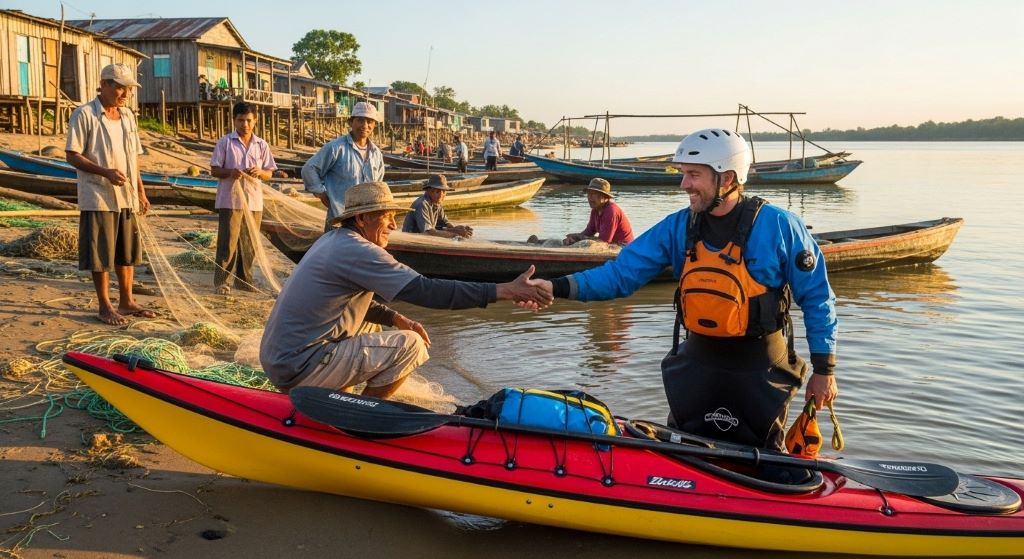
Adventure activities naturally lead to cultural interactions. When you trek through remote villages or kayak past fishing communities, you encounter locals in their daily environments. Consequently, these organic meetings often feel more authentic than scheduled cultural programs.
The combination also appeals to diverse travel groups. One person might crave hiking while another prefers cooking classes. Furthermore, alternating between active and cultural days gives your body necessary recovery time.
Planning Your Combined Itinerary
Start by choosing a destination rich in both adventure opportunities and cultural heritage. Countries like Peru, Nepal, Vietnam, and Morocco excel in both categories. Research regions where adventure activities intersect with traditional communities.
Next, allocate your time wisely between activities. A good rule involves spending mornings on physical adventures when energy levels peak. Afternoons work well for cultural experiences like craft workshops or village visits. However, remain flexible because weather and local schedules might require adjustments.
Book accommodations that reflect your dual interests. Eco-lodges run by indigenous communities offer both adventure access and cultural authenticity. These properties often organize activities that blend both elements seamlessly.
Adventure Activities That Connect with Local Culture
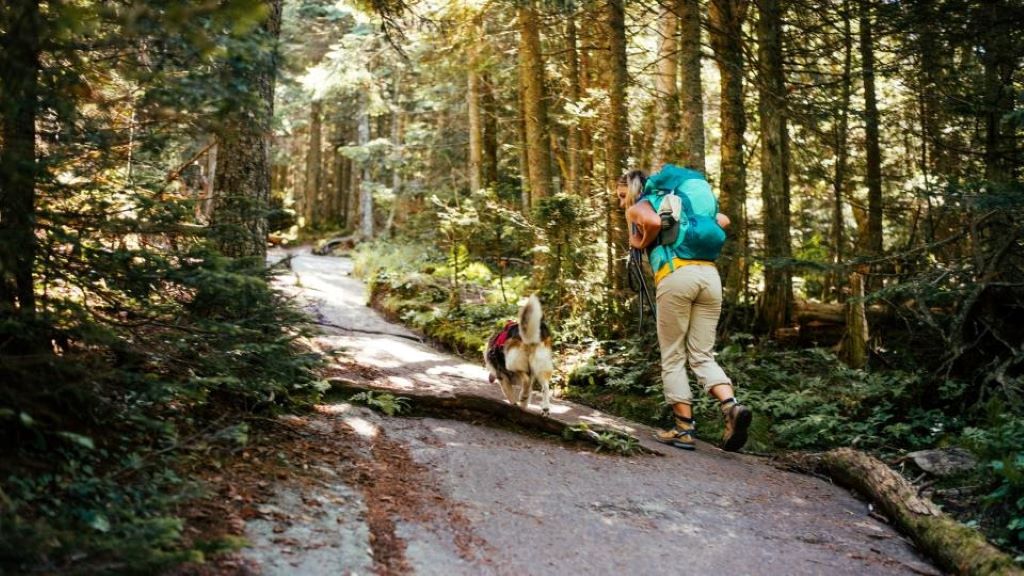
Certain adventure activities naturally incorporate cultural elements. Trekking through inhabited regions exposes you to local lifestyles along the trail. You might stay in village homestays, share meals with porters, and observe agricultural practices.
River journeys provide excellent opportunities for cultural encounters. Kayaking or rafting takes you past riverside communities where you can stop and interact. According to National Geographic, river-based travel often reveals cultural practices unchanged for generations.
Mountain biking through rural areas combines physical challenge with spontaneous cultural moments. You pedal past markets, farms, and festivals. Additionally, cycling allows you to cover more ground than walking while remaining accessible to locals who want to chat.
Rock climbing in traditional regions often involves local guides who share oral histories. These guides know hidden routes that connect to ancestral stories. Therefore, each climb becomes both physical and historical exploration.
Building Cultural Experiences Around Adventure
Structure your cultural activities to complement your adventures. After a challenging hike, attend a traditional massage or healing ceremony. Many cultures have recovery practices that adventurers appreciate deeply.
Participate in food experiences that fuel your adventures. Take cooking classes focused on high-energy local dishes. Learn why certain ingredients matter for people living active mountain or coastal lifestyles. Subsequently, you gain practical knowledge you can use on future trips.
Engage with local adventure guides beyond their professional roles. Ask about their families, training, and connection to the landscape. These conversations transform guides into cultural ambassadors. Moreover, compensating them fairly ensures sustainable tourism that benefits communities.
Responsible Travel Considerations
Combining adventure and cultural tourism requires heightened responsibility. Physical activities impact environments while cultural tourism affects communities. Therefore, choose operators committed to sustainable practices.
Research companies that employ local guides and support community development. According to the Adventure Travel Trade Association, responsible adventure tourism creates economic opportunities while preserving cultural heritage.
Respect cultural boundaries during your adventures. Some sacred sites prohibit certain activities or require modest dress. Always ask permission before photographing people or ceremonies. Additionally, learn basic phrases in the local language to show respect.
Minimize environmental impact through proper gear and waste management. Use reusable water bottles, pack out all trash, and stick to established trails. Furthermore, choose accommodations with strong environmental policies.
Sample Itineraries for Different Destinations
Peru offers exceptional opportunities for combined travel. Trek the Inca Trail to Machu Picchu while staying in Quechua communities. Learn traditional weaving techniques and participate in pachamanca earth oven cooking. The Sacred Valley provides both adventure infrastructure and living Incan culture.
Nepal combines Himalayan trekking with Buddhist cultural immersion. Hike to remote monasteries where monks welcome respectful visitors. Participate in prayer ceremonies, learn meditation techniques, and understand mountain spirituality. The Annapurna Circuit offers this balance perfectly.
Vietnam presents jungle adventures alongside ethnic minority cultures. Trek through Sapa rice terraces staying with Hmong families. Learn about textile traditions while hiking between villages. Additionally, kayak through Ha Long Bay visiting floating fishing communities.
Morocco blends desert adventures with Berber heritage. Camel trek into the Sahara camping with nomadic guides. Learn navigation by stars, traditional music, and desert survival skills. The Atlas Mountains offer similar combinations with village homestays.
Overcoming Common Challenges
Language barriers present the biggest challenge when combining these travel styles. However, this obstacle often leads to creative communication and memorable moments. Download translation apps, learn key phrases, and embrace non-verbal communication.
Physical fitness varies among cultural participants. Some traditional activities require stamina you might lack. Conversely, you might be too fit for the local pace. Therefore, communicate your abilities honestly and adjust expectations accordingly.
Cultural misunderstandings can arise during adventures. What seems like friendly curiosity might feel invasive to locals. Similarly, your adventure gear might seem wasteful or excessive. Approach interactions with humility and willingness to learn.
Scheduling conflicts between adventure conditions and cultural events require flexibility. Weather might cancel your climb the same day as a village festival. Therefore, build buffer days into your itinerary for such situations.
Essential Packing for Combined Adventures
Pack versatile clothing suitable for both activities and cultural settings. Lightweight, modest garments work for temple visits and hiking. Additionally, bring layers for changing climates and activities.
Include cultural gifts from your home country. Small items like postcards, photos, or local crafts facilitate meaningful exchanges. However, avoid gifts that create dependency or seem condescending.
Bring documentation tools that respect privacy. A journal captures experiences without intrusive photography. If you photograph, ask permission and offer to share images with subjects.
Making Lasting Connections
Exchange contact information with local friends you make during adventures. Many travelers maintain relationships through social media or email. These connections often lead to return visits or hosting opportunities.
Support local businesses after your trip through online reviews and recommendations. Share their information with travelers seeking similar experiences. Furthermore, purchase crafts directly from artisans when possible.
Consider returning to deepen relationships and understanding. Second visits allow you to move beyond tourist roles into genuine friendships. Moreover, witnessing changes over time provides perspective on development and tourism impacts.
Conclusion
Combining adventure travel with heartbeat tours creates rich, balanced journeys that satisfy multiple travel motivations. By thoughtfully blending physical challenges with cultural immersion, you gain deeper appreciation for destinations and their people. This approach transforms tourists into engaged travelers who contribute positively to the places they visit. Start planning your combined adventure today by researching destinations where nature and culture intertwine. The experiences you gain will reshape how you see both travel and yourself.
Frequently Asked Questions
What is a heartbeat tour?
A heartbeat tour focuses on authentic cultural experiences and genuine connections with local communities. These tours emphasize meaningful interactions over famous landmarks, often including homestays, traditional ceremonies, and learning local skills from community members.
How physically demanding are adventure heartbeat tours?
Physical demands vary greatly depending on your chosen activities and destination. Most operators offer multiple difficulty levels, from gentle cultural hikes to challenging mountain expeditions. Always communicate your fitness level honestly when booking to ensure appropriate activity selection.
Are combined adventure and cultural tours more expensive?
These tours often cost similarly to standard adventure tours but provide better value. While some specialized experiences increase costs, staying in community accommodations and eating local food frequently reduces expenses. Additionally, you support local economies directly rather than international hotel chains.
How do I find reputable operators for combined tours?
Look for companies certified by organizations like the Adventure Travel Trade Association or those with strong community partnerships. Read reviews focusing on cultural sensitivity and environmental practices. Additionally, ask operators specific questions about how they compensate local guides and support communities.
What should I know before visiting remote cultural communities?
Research cultural norms around dress, photography, and social interactions before arrival. Learn basic greetings in the local language and bring small, appropriate gifts. Most importantly, approach visits with humility, asking permission before participating in activities or taking photos.
Related Topics:
Five Ways You Could be Saving More for Summer Vacation
Ranking of the 10 most visited countries in the world


Leave a Reply