
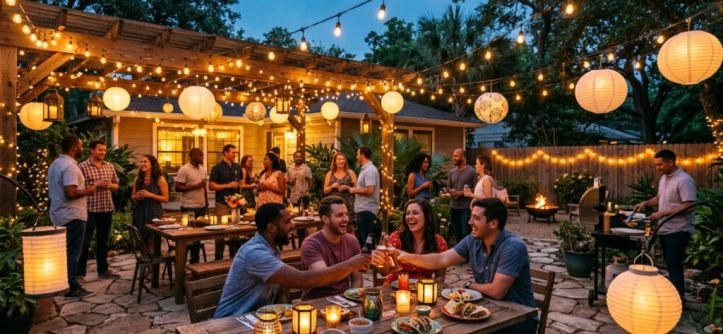
Planning a celebration in the Lone Star State comes with its own set of challenges—unpredictable weather, sprawling outdoor venues, and the need to create an inviting atmosphere without breaking the bank. Whether you’re hosting a backyard barbecue in Houston, a quinceañera in San Antonio, or a wedding reception in Austin, lighting sets the mood. But finding quality illumination that doesn’t drain your budget can feel overwhelming. The good news? You don’t need to sacrifice style for savings. This guide walks you through everything you need to know about selecting affordable party lights in Texas, from understanding your venue’s needs to choosing the right type of lighting for your specific event.
What Makes Party Lighting Different in Texas?
Texas events often blur the line between indoor and outdoor spaces. A typical celebration might start with a cocktail hour on a patio, move inside for dinner, and end with dancing under string lights in a backyard. This versatility means your lighting choices need to work across multiple environments.
Another factor is the climate. Summer temperatures routinely exceed 95°F, which affects both your guests’ comfort and your equipment’s performance. Heat can cause certain types of lights to dim or fail prematurely. Additionally, humidity along the Gulf Coast and sudden windstorms in West Texas mean your lighting setup needs to be durable and weather-resistant.
Indoor vs. Outdoor Considerations
Before purchasing anything, determine where your lights will actually be used. Indoor venues give you more flexibility with low-voltage options like LED strips or fairy lights. Outdoor spaces require weatherproofing and proper electrical safety. Many affordable options work well in both settings, but you’ll want to check the IP rating—a measure of dust and water resistance—before making a purchase.
For outdoor events, look for lights rated IP65 or higher. This ensures they can handle light rain and humidity without becoming a safety hazard. Indoor-only lights typically have lower ratings and shouldn’t be exposed to moisture.
Types of Affordable Party Lights and Their Best Uses
Not all party lights are created equal. Each type serves a different purpose, and understanding these differences helps you avoid overspending on features you don’t need.
String Lights
String lights remain the most popular choice for Texas parties, and for good reason. They’re versatile, easy to install, and available at nearly every price point. You’ll find two main varieties: incandescent and LED.
Incandescent string lights produce a warm, nostalgic glow that photographs beautifully. However, they consume more energy and generate heat, which can be uncomfortable during summer evenings. LED string lights cost slightly more upfront but last significantly longer and use about 80% less electricity. For events lasting more than a few hours, LEDs are the smarter investment.
When shopping for string lights, pay attention to bulb spacing. Standard spacing ranges from 6 to 12 inches. Closer spacing creates a denser, more dramatic effect but requires more strands to cover the same area. For most backyard gatherings, 12-inch spacing works well and keeps costs down.
Lanterns and Paper Lights
Paper lanterns add a festive, cultural touch that works particularly well for celebrations like Dia de los Muertos or Lunar New Year events. They’re inexpensive—often under $10 per lantern—and come in various sizes and colors. The trade-off is durability. Paper lanterns don’t handle wind or rain well, so they’re best suited for covered patios or indoor venues.
Metal or fabric lanterns offer more durability but cost more. If you’re hosting multiple events throughout the year, investing in sturdier lanterns makes financial sense in the long run.
LED Uplights and Spotlights
Uplights wash walls, trees, or architectural features with color, creating depth and drama. You can find basic single-color uplights for under $20 each, while RGB versions that cycle through colors cost slightly more. For a typical backyard, you’ll need about 6 to 10 uplights to create a noticeable effect.
Spotlights serve a different purpose—they highlight specific elements like a cake table, dance floor, or entrance. A basic spotlight with a dimmer switch gives you control over intensity without requiring professional installation. To elevate your celebration further, check out creative Party decoration ideas with balloons to pair with your new lighting setup.
Projector Lights
Projector lights have gained popularity because one unit can cover an entire wall or ceiling with patterns, stars, or custom images. They cost more upfront—typically $50 to $150—but replace dozens of individual lights. If you’re planning a themed event like a space-themed birthday or a winter wonderland party, a projector might be more cost-effective than buying multiple specialty lights.
How to Calculate How Many Lights You Need
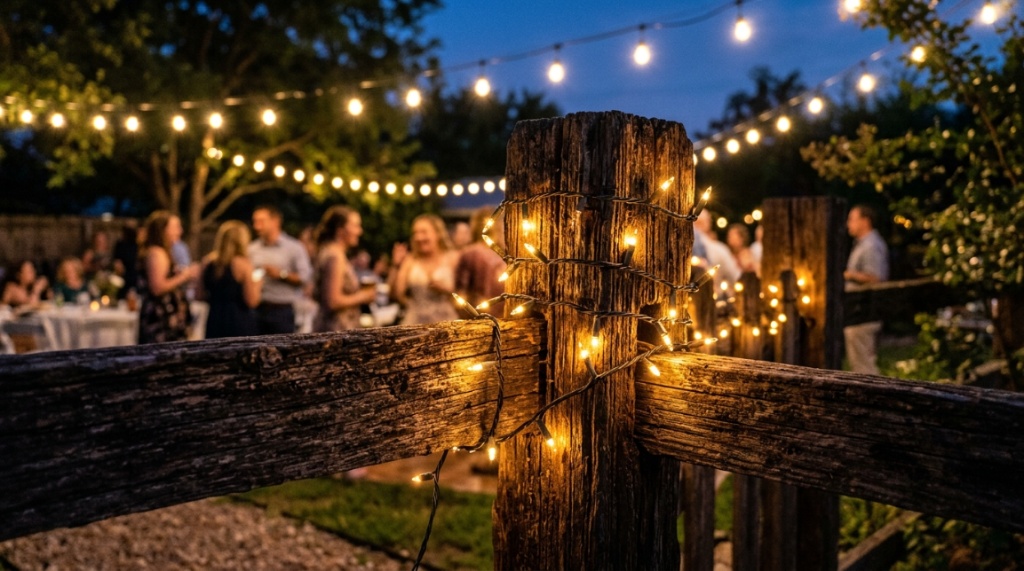
One of the most common mistakes people make is underestimating the number of lights required for their space. Too few lights create a dim, underwhelming atmosphere. Too many waste money and can create an overly bright, harsh environment.
For string lights, a good rule of thumb is to plan for about 100 bulbs per 20 to 25 feet of linear space. If you’re covering a 10×10-foot patio ceiling, you’ll need roughly 40 feet of string lights. For open outdoor areas, consider the perimeter rather than the total square footage—lights along fences or railings define the space better than lights scattered throughout.
For uplights, calculate the number of vertical surfaces you want to illuminate. Each uplight covers approximately 10 to 15 feet of wall space. A typical backyard with two accent walls and a tree feature would need about 4 to 6 uplights.
Creating a Lighting Budget
Start by setting a realistic budget before browsing options. A modest gathering can be beautifully lit for $50 to $100 using string lights and a few lanterns. Larger events with multiple lighting zones typically require $200 to $500. Professional lighting rental starts around $500 and goes up significantly from there.
If you’re hosting a one-time event, renting might seem attractive. However, buying affordable lights that you can reuse for future parties often provides better long-term value. Many affordable options last for years with proper storage.
Energy Efficiency and Cost Considerations
Texas electricity rates vary by region, but the average cost hovers around 14 cents per kilowatt-hour. While individual lights don’t consume much power, running dozens of lights for six to eight hours adds up.
LED lights consume significantly less energy than incandescent options. A string of 100 LED bulbs uses about 8 watts per hour, compared to 40 watts for incandescent. Over an eight-hour event, that difference translates to roughly 0.25 kilowatt-hours versus 1.3 kilowatt-hours per string. Multiply that by 10 strings, and you’re looking at a noticeable difference in your electricity bill.
Solar-powered lights offer another way to reduce costs, especially for outdoor events. Modern solar lights have improved dramatically in recent years, with many providing bright illumination for six to eight hours after a full day of charging. The trade-off is that they depend on sunlight, so cloudy days or shaded venues can leave you in the dark.
Where to Buy Affordable Party Lights in Texas
Texas offers several shopping options, each with distinct advantages. Big-box retailers like Home Depot and Lowe’s carry reliable brands at competitive prices, especially during holiday seasons when lighting goes on sale. Target and Walmart offer budget-friendly options that work well for casual gatherings.
Specialty party supply stores often carry higher-quality products but at premium prices. If you need something specific like weatherproof commercial-grade lights, these stores provide better selection and expert advice.
Online marketplaces like Amazon offer the widest variety and often the lowest prices. The downside is that you can’t inspect the quality before purchasing. Reading customer reviews carefully and checking return policies helps mitigate this risk.
For Texas-specific needs, consider local lighting supply companies that understand regional weather challenges. They can recommend products that withstand summer heat and occasional storms. While their prices might be slightly higher, their expertise can save you from buying unsuitable products.
Common Mistakes to Avoid When Buying Party Lights
Even experienced hosts make errors when purchasing lighting. Being aware of these pitfalls helps you make smarter choices.
Ignoring the power source. Before buying, know where your outlets are located and how many you’ll need. Extension cords rated for outdoor use are essential for outdoor events. Overloading a single circuit can trip breakers and leave your party in darkness.
Choosing style over function. Those beautiful Edison bulbs look great but produce less light than standard bulbs. If your venue needs functional illumination for dining or dancing, prioritize brightness over aesthetics.
Forgetting about storage. Party lights need proper storage to last. LED lights are generally more durable than incandescent, but both benefit from being coiled loosely and stored in a dry, temperature-controlled space. Cheap lights that tangle easily will frustrate you at your next event.
Not testing before the event. Always test your lights at least a day before your party. Burned-out bulbs, faulty connections, and damaged cords are easier to fix when you’re not under time pressure.
Frequently Asked Questions
How long do affordable party lights typically last?
LED party lights typically last 25,000 to 50,000 hours, which translates to years of regular use. Incandescent lights last around 1,000 to 2,000 hours. Proper storage and handling significantly extend the lifespan of any lighting product.
Can I mix different types of party lights?
Yes, mixing lighting types creates visual interest and depth. Combining string lights with uplights or lanterns adds dimension to your space. Just ensure all lights use the same voltage and are compatible with your power setup.
Are battery-operated party lights worth considering?
Battery-operated lights offer flexibility for areas without nearby outlets. They work well for table centerpieces or accent lighting. However, batteries add ongoing costs and require replacement during longer events. For main lighting, plug-in options are more reliable and cost-effective.
What is the best color temperature for party lighting?
Warm white (2700K to 3000K) creates a flattering, inviting atmosphere that works well for most celebrations. Cool white (4000K and above) feels more clinical and is better suited for task lighting. Colored lights add fun but should be used sparingly to avoid overwhelming the space.
How do I safely hang outdoor party lights?
Use outdoor-rated hooks, clips, or cable ties designed for the weight of your lights. Never staple or nail through electrical cords. For spans longer than 15 feet, use a support wire to prevent sagging. Ensure all connections are protected from moisture with weatherproof covers.
Conclusion
Choosing affordable party lights in Texas doesn’t require compromising on quality or atmosphere. Start by assessing your venue, determining your lighting needs, and setting a realistic budget. Prioritize LED options for energy efficiency and longevity, and don’t overlook the importance of weather resistance for outdoor events. Test everything before your celebration and store your lights properly afterward to maximize their lifespan.
Remember that the most memorable parties aren’t defined by how much you spend on lighting, but by how well the atmosphere matches the occasion. With thoughtful planning and smart purchasing, you can create a stunning setting that impresses your guests and leaves your wallet intact. Whether you’re hosting an intimate dinner or a large gathering, the right lights make all the difference.


Leave a Reply