
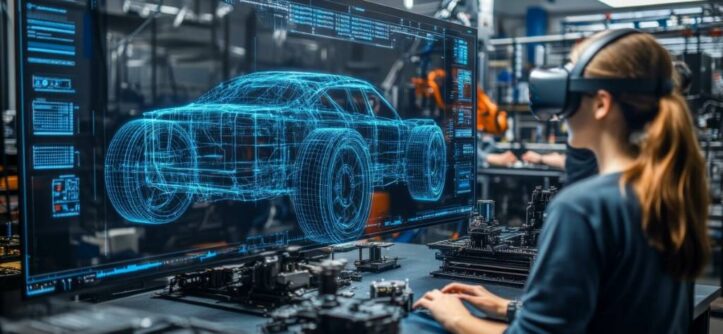
Electric vehicles zoom down highways. Factories hum with eco-friendly production. AI powers this green revolution. Artificial intelligence reshapes the automotive industry. It cuts carbon emissions and boosts sustainability. Green automotive technology blends innovation with environmental care. AI makes vehicles smarter, cleaner, and more efficient.
In 2023, global electric vehicle sales hit 14 million, per the International Energy Agency. By 2030, EVs could reduce CO2 emissions by 700 million tons annually, says the U.S. Department of Energy. AI fuels this shift. It optimizes batteries, streamlines manufacturing, and enhances autonomous driving. Let’s explore how AI drives green automotive technology forward.
How AI Powers Green Automotive Technology
AI transforms every corner of the automotive world. From battery life to traffic management, it sparks change. Here’s how AI makes vehicles and systems greener.
1. Optimizing Battery Management Systems
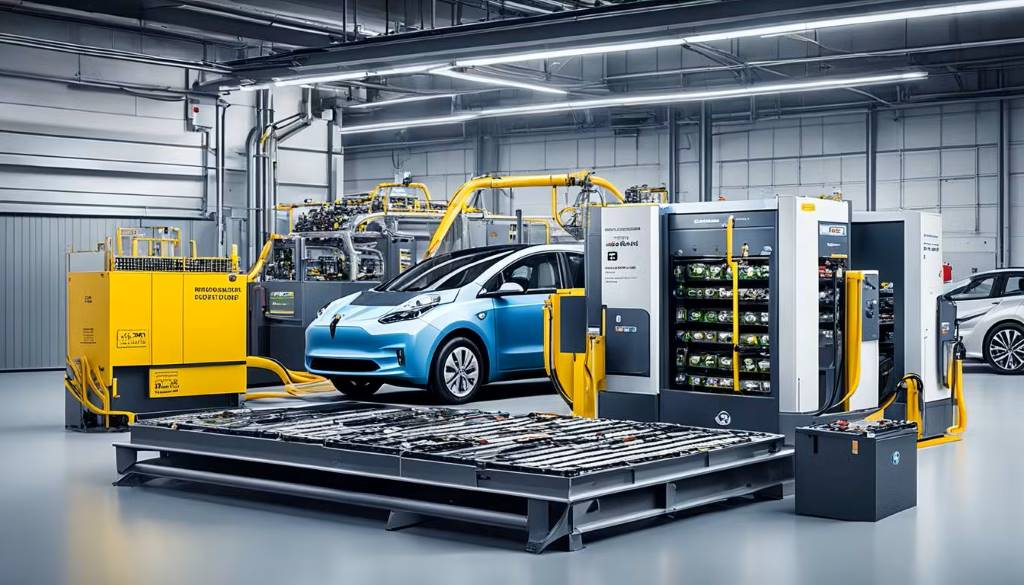
Electric vehicle batteries need smart management. AI improves battery life and efficiency. Machine learning algorithms analyze battery performance. They predict wear and optimize charging cycles. This reduces energy waste and extends battery range.
- Battery Management Systems: AI monitors temperature, voltage, and charge levels in real-time.
- Intelligent Battery Management: Algorithms adjust power usage for maximum efficiency.
- Bi-Directional Charging: AI enables vehicles to return energy to smart grids.
- Battery Recycling: AI sorts and processes used EV batteries for second-life use.
For example, Tesla uses AI to fine-tune its battery systems. This boosts range by up to 10%, per company reports. Longer-lasting batteries mean fewer replacements and less waste. Explore Google Core Updates & Social Media UX/UI.
2. Enhancing Energy Efficiency in Manufacturing
Vehicle production consumes massive energy. AI streamlines manufacturing processes. It cuts energy use and carbon footprint. Machine learning models optimize factory operations. They reduce waste in assembly lines and improve material use.
- Energy-Efficient Smart Manufacturing: AI adjusts machinery for minimal power use.
- Green Materials: AI identifies sustainable materials for car design.
- Recycling and Second-Life Battery Use: AI tracks materials for reuse in production.
A 2022 study by the World Economic Forum found AI-driven manufacturing cuts energy use by 15%. Companies like BMW use AI to optimize production, lowering emissions.
3. Advancing Autonomous Driving Systems
Autonomous vehicles rely on AI for navigation. They reduce fuel waste and emissions. AI algorithms process data from radar systems and cameras. This enables efficient route planning and traffic prediction. Autonomous driving systems cut idling and optimize speed.
- Autonomous Vehicles: AI powers self-driving cars for smoother rides.
- Advanced Driver Assistance Systems: AI enhances safety and fuel efficiency.
- Route Planning: AI picks the shortest, least congested paths.
- Traffic Management: AI predicts traffic patterns to avoid delays.
Waymo’s autonomous vehicles, powered by AI, reduce emissions by 20% compared to traditional cars, per a 2024 Google report. Smarter driving means greener roads.
4. Supporting Smart Charging Infrastructure
Charging stations are key to EV adoption. AI makes them smarter. It manages energy flow and predicts demand. Smart grids balance power distribution. AI ensures renewable energy sources power EVs when possible.
- Smart Charging Infrastructure: AI schedules charging during low-demand periods.
- Renewable Energy: AI prioritizes solar or wind energy for charging.
- Smart Grids: AI balances grid loads for efficiency.
For instance, Google Cloud’s AI optimizes charging networks. It cuts energy costs by 12%, per a 2023 case study. This supports eco-friendly transportation.
5. Reducing Carbon Emissions with Green AI
Green AI focuses on sustainability. It designs energy-efficient algorithms. These algorithms power data centers and in-car systems. They lower the carbon footprint of AI itself.
- Green Algorithms: AI reduces computing power needs by 30%, per a 2024 MIT study.
- Energy-Harvesting AI Devices: Small devices use ambient energy for tasks.
- Neuromorphic Computing: Brain-inspired chips cut energy use in AI systems.
NVIDIA’s green AI chips save 40% energy in automotive applications, per company data. This makes AI itself more sustainable.
6. Improving Vehicle Design and Aerodynamics
AI refines car design for efficiency. It analyzes aerodynamics and lightweight materials. Better designs reduce energy use. AI also enhances infotainment systems for driver comfort without draining power.
- Aerodynamic and Lightweight Design: AI models optimize vehicle shapes.
- Car Design: AI suggests eco-friendly materials like recycled composites.
- In-Car Connectivity: AI powers efficient infotainment systems.
Volkswagen’s AI-designed EV prototypes cut drag by 15%, boosting range, per a 2023 report. Sleek designs save energy.
7. Enabling Smart Mobility and Ride-Sharing
AI powers ride-sharing services and public transport. It optimizes routes and reduces vehicle numbers. This lowers emissions and traffic congestion. Smart mobility blends AI with eco-friendly goals.
- Smart Mobility: AI coordinates shared rides for efficiency.
- Ride-Sharing Services: AI matches riders to cut trips.
- Public Transport: AI improves bus and train schedules.
Uber’s AI-driven ride-sharing cuts CO2 emissions by 10% in urban areas, per a 2024 study. Shared rides mean fewer cars on the road.
8. Supporting Sustainable Practices in Supply Chains
AI enhances supply chain ecosystems. It tracks materials and reduces waste. AI-enabled sustainable supply chains ensure eco-friendly production. This aligns with the Circular Economy model.
- AI-Enabled Sustainable Supply Chains: AI monitors resource use.
- Circular Economy: AI promotes material reuse and recycling.
- Sustainable Practices: AI ensures ethical sourcing.
Toyota’s AI supply chain system cut waste by 18%, per a 2023 case study. Sustainable supply chains support green goals.
9. Addressing Privacy and Ethical Concerns
AI in automotive tech raises privacy concerns. Green AI ensures ethical data use. Explainable AI makes systems transparent. This builds trust in eco-friendly tech.
- Privacy Concerns: AI encrypts driver data for security.
- Explainable AI: Clear algorithms show how decisions are made.
- AI Act: EU regulations guide ethical AI use.
The European Green Deal pushes for ethical AI in green tech. Transparent systems ensure user trust. Discover DIY Rust Repair on Car Frame Before It’s Too Late.
AI’s role in green automotive technology shines in real-world examples. Here are three standout cases:
- Tesla’s Battery Optimization: Tesla’s AI algorithms predict battery degradation. They adjust charging to extend life. This cuts replacement needs by 12%, per Tesla’s 2024 data.
- Waymo’s Autonomous Efficiency: Waymo’s self-driving cars use AI for route planning. They save 20% fuel compared to human drivers, per Google’s 2024 study.
- BMW’s Green Manufacturing: BMW’s AI-driven factories reduce energy use by 15%. This aligns with sustainability goals, per a 2023 World Economic Forum report.
These examples show AI’s tangible benefits. It drives efficiency and cuts emissions across the industry.
Challenges and Future Outlook
AI in green automotive tech faces hurdles. High energy use in data centers is a concern. Training large language models consumes significant power. Hardware accelerators and biodegradable NN hardware aim to fix this. Another challenge is scaling smart infrastructure. Charging stations and smart grids need wider adoption.
The future looks bright. By 2030, AI could cut automotive emissions by 25%, per a 2024 McKinsey report. Innovations like robotic pollinators and ocean AI could inspire new solutions. The energy sector will also benefit from AI-driven power generation. As AI evolves, its role in sustainable development grows stronger.
A Road to Sustainability
AI reshapes green automotive technology. It optimizes batteries, streamlines production, and powers autonomous driving. Smart charging and green algorithms cut emissions. Real-world cases like Tesla and Waymo prove AI’s impact. Challenges remain, but the future is promising. AI drives the automotive industry toward sustainability.
Explore EV options today. Research AI-powered models. Drive greener tomorrow!
FAQs
What is Green AI in automotive technology?
Green AI uses energy-efficient algorithms. It powers sustainable vehicle systems and reduces emissions.
How does AI improve EV battery life?
AI monitors battery health. It optimizes charging and predicts wear, extending range and life.
Can AI reduce carbon emissions in cars?
Yes. AI optimizes driving, charging, and manufacturing. It cuts emissions by up to 25%.
How does AI support autonomous vehicles?
AI processes radar and camera data. It enables efficient route planning and safer driving.
What role does AI play in smart charging?
AI schedules charging for low-demand times. It prioritizes renewable energy, boosting efficiency.
References:
- International Energy Agency: https://www.iea.org/reports/electric-vehicles
- U.S. Department of Energy: https://www.energy.gov/eere/electricvehicles
- World Economic Forum: https://www.weforum.org/reports/ai-in-manufacturing
- Google Sustainability Report 2024: https://sustainability.google/reports
- MIT Energy Study 2024: https://energy.mit.edu/research/ai-energy-efficiency
- NVIDIA Green AI Report: https://www.nvidia.com/en-us/sustainability
- Volkswagen Design Study 2023: https://www.volkswagen-newsroom.com
- Uber Sustainability Report 2024: https://www.uber.com/sustainability
- Toyota Supply Chain Case Study: https://www.toyota-global.com/sustainability
- McKinsey AI Outlook 2024: https://www.mckinsey.com/business-functions/quantumblack




Leave a Reply