
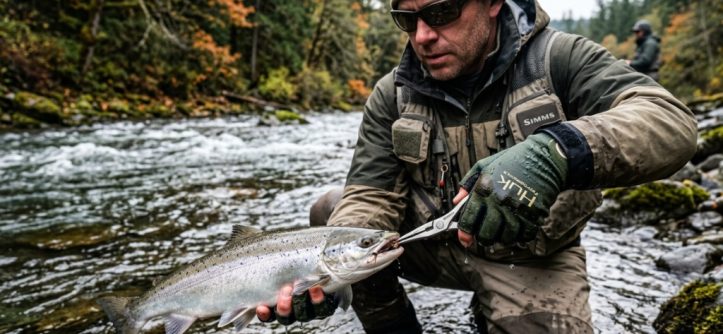
You know the struggle: you grab a cheap pair of fishing gloves, and within two trips, the seams split, the grip turns slick, and your hands are either sweating or freezing. It feels like you have to choose between your wallet and your comfort. But what if you didn’t have to? Finding fishing gear that balances cost and quality is the holy grail for any angler. In this guide, I’ll show you exactly how to identify budget fishing gloves with a premium feel without falling for marketing hype. We’ll break down the specific materials, construction details, and design features that separate real value from disposable junk, so you can protect your hands and your budget.
What Defines a Premium Feel in Budget Fishing Gloves?
A premium feel is not about the price tag it’s about how the glove performs against your skin and on the rod. It’s the combination of tactile sensitivity, secure grip, and durable construction that makes you forget you’re wearing them.
Material Quality Is the Real Differentiator
High-end gloves use materials like AX Suede, high-tenacity nylon, and double-layered foam padding. On a budget, look for synthetic suede or microfiber palms. These materials offer excellent abrasion resistance and a soft touch without the leather price tag. Avoid 100% cotton or thin polyester; they wear out fast and provide zero protection against hooks or sun.
Seam Construction Determines Longevity
A premium feel comes from internal seams that don’t rub your skin raw. For budget gloves, prioritize those with flatlock stitching or taped seams. If you see rough, exposed thread on the inside, that glove will cause blisters on long casts. A simple test: turn the glove inside out and run your finger along the seams. If it catches, keep looking.
Ergonomic Pre-Curving
Gloves that are cut flat force your hand to work against the fabric. Premium-feeling budget gloves are pre-curved to match a relaxed fishing grip. This reduces hand fatigue, especially when fighting a fish for 10 minutes. It’s a small design detail that makes a $20 glove feel like a $60 glove.
Why Material Selection Matters More Than Brand Name
Brand names often carry a premium markup that doesn’t translate to better performance. For budget-conscious anglers, understanding materials is your superpower. You can find unbranded or lesser-known gloves that outperform big-name options.
Synthetic Leather vs. Real Leather
Real leather feels amazing but requires maintenance and is expensive. Modern synthetic leathers like Clarino or Amphibian are water-resistant, dry quickly, and offer similar tactile feedback. For budget fishing gloves premium feel, synthetic leather is the winner. It provides the luxury touch without the need for conditioning or the fear of water damage.
Neoprene vs. Mesh Backing
Neoprene backs offer warmth and a snug fit, ideal for cold mornings. Mesh backs prioritize breathability, crucial for Florida or Texas summers. A premium-feeling budget glove often uses a hybrid: a neoprene cuff for a secure wrist fit and a thin mesh panel on the top of the hand for ventilation. This combination gives you the best of both worlds.
The Importance of Hook-Proof Layers
Nothing ruins a premium feel faster than a hook poking through the fabric. Look for gloves with reinforced fingertips or Kevlar-laced material in the palm and thumb area. Even cheap gloves can include a layer of Dyneema or Spectra thread that resists punctures. This small upgrade adds serious value and confidence.
How to Test Durability and Grip on a Tight Budget
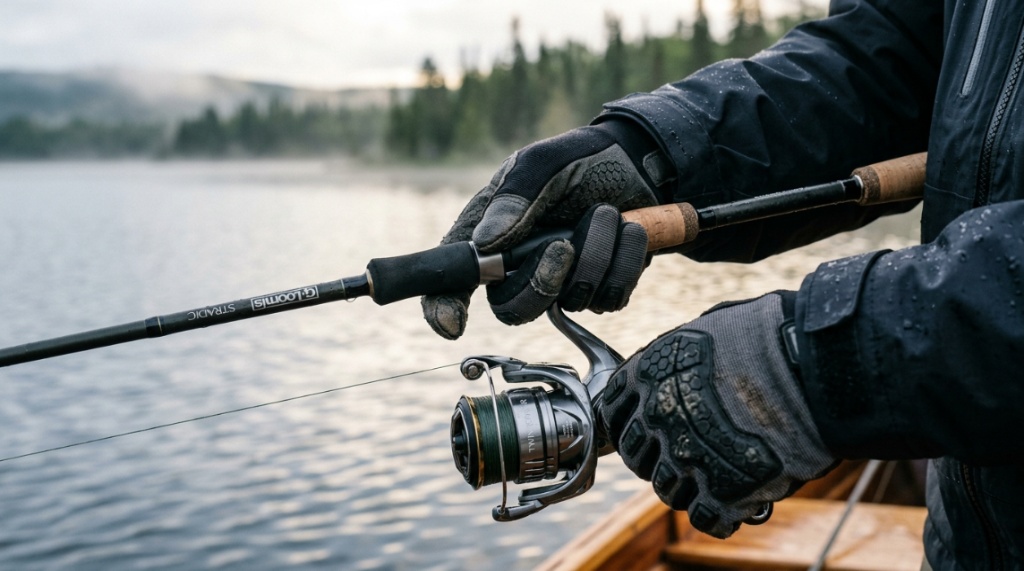
You can’t always trust online reviews. Learn how to physically inspect a glove at a store or decode product photos to determine if it will last more than one season. Durability and grip are the foundation of a premium feel.
The Wet Surface Grip Test
If you can, wet the palm of the glove. Does the grip material become slippery or sticky? Cheap rubber grips turn into slime when wet. Good budget gloves use silicone-impregnated patterns or textured polyurethane that actually grips harder when wet. This is a non-negotiable feature for any serious angler.
Checking Abrasion Resistance
Run your fingernail across the palm material. If it leaves a permanent scratch or dent, the material is cheap foam that will break down quickly. Premium-feeling materials have a tight weave or a tough topcoat that resists marking. Also, check the reinforced stitching around the thumb crotch—this is where 90% of budget gloves fail first.
Velcro Closure Quality
The velcro strap is a common failure point. A premium feel includes a wide, high-quality hook-and-loop closure that doesn’t snag your clothing. If the velcro is thin or scratchy, the entire glove feels cheap. The closure should hold tight without needing to be readjusted every 15 minutes.
Which Features Are Worth Paying For in Budget Gloves?
Not all features are created equal. Knowing where to spend your limited budget maximizes the premium feel. Focus on these three high-impact features first, and then decide if additional bells and whistles add real value for your specific needs.
Touchscreen Compatibility
This is a must-have, not a luxury. You need to use your phone for photos, maps, or calls. Budget gloves with conductive thread in the thumb and index finger work well. Test it: if the thread is too thin, the screen won’t register your touch. Good implementation uses silver-coated yarn that is both conductive and durable.
Reinforced Thumb and Index Finger
These are the high-wear areas for casting, tying knots, and netting fish. A budget glove that has an extra patch of material or double stitching here will last three times longer than one without. This targeted reinforcement mimics the durability of high-end gloves without adding cost to the entire palm.
Adjustable Wrist Cuff
A loose wrist cuff lets sand and water in. A tight cuff restricts circulation. The premium budget solution is an adjustable strap with a neoprene extension. This seals out debris while keeping the glove secure. Avoid gloves with a simple elastic band; they stretch out and lose their grip within weeks.
Can You Find Premium Gloves Under $30?
Yes, absolutely. The sweet spot for a glove that feels expensive but costs less than lunch for two is between $15 and $30. This price range allows manufacturers to use decent materials without the markup of top-tier brands.
Examples of Budget-Friendly Materials That Work
Look for gloves made with “Amara” synthetic leather or “Micro-tex” palms. These materials are used in mid-tier sports gloves and offer excellent durability. Brands like KastKing, Piscifun, and some house brands at large retailers often use these exact materials in their sub-$25 models. They cut costs on packaging and marketing, not on the glove itself.
Where to Look for the Best Deals
Don’t only check fishing specialty stores. Look at clearance sections of big-box sporting goods stores, online marketplace deals from direct-ship suppliers, and even motorcycle glove clearance racks. Many fingerless fishing gloves share design DNA with bicycle or weightlifting gloves. You can snag high-quality gear for pennies on the dollar by widening your search.
Seasonal Sales and Closeouts
Late winter and early fall are prime times to buy. Retailers clear out summer inventory. This is when you can find a $50 glove for $20. Sign up for email alerts from your favorite online retailers. When a sale hits, act fast. The best budget deals don’t last long because they offer genuine value.
How to Care for Cheap Gloves to Extend Their Premium Feel
The way you treat your gloves has a massive impact on how long they feel premium. Even a $100 glove will feel terrible if it’s crusted with salt and sand. Proper maintenance is free and keeps that new-glove feel alive.
Rinse Immediately After Saltwater Use
Salt crystals are abrasive and will break down synthetic fibers. After every saltwater trip, rinse your gloves in fresh, cool water. Squeeze them gently to remove excess water. Do not wring them out, as this damages the internal padding and stitching. Hang them to air dry away from direct sunlight.
Machine Wash on Gentle Cycle
Once a month, toss your gloves in a mesh laundry bag and wash them on a gentle cycle with cold water. Use a mild sport detergent. Avoid fabric softener, which coats the gripping material and reduces friction. Air dry them fully before your next use. This removes body oils and bacteria that cause gloves to become stiff and smelly.
Store Them Properly
Don’t cram your gloves into a wet tackle box. Store them flat or rolled loosely in a dry, ventilated space. Avoid folding them in a way that creases the palm material, as this can create permanent weak spots. Proper storage preserves the shape and feel for seasons to come.
Is There a Trade-Off Between Breathability and Protection?
Many anglers think you have to choose between a glove that protects your hands and one that keeps them cool. Modern design has largely solved this problem. You can have both, even on a budget, if you understand the fabric technologies.
Vented Versus Solid Backing
Gloves with a vented mesh back allow airflow while a solid synthetic suede palm provides protection. This hybrid approach is the standard for premium-feeling budget gloves. The mesh is usually made of polyester or spandex, which is lightweight and dries fast. The palm uses thicker material to shield against hooks, line cuts, and UV rays.
Cut-Out Design for Knuckles
Some budget gloves feature open knuckles or perforated leather in the finger joints. This is a clever design trick that improves dexterity and cooling without adding cost. It makes the glove feel less bulky and more like a second skin. If you fish in hot climates, prioritize this feature.
The Role of Moisture-Wicking Liners
A thin inner liner made of polyester or nylon helps wick sweat away from your skin. This prevents the “wet sock” feeling inside the glove. Even cheap gloves can include this if you look for the “moisture-wicking” label. It’s a simple technology that dramatically improves the perceived quality of the glove.
Where to Read Trustworthy Reviews Before Buying
You want to avoid fake reviews and paid promotions. Finding honest, detailed feedback from actual anglers who test gear in real conditions is critical. Look for reviews that discuss specific scenarios like surf fishing, kayak fishing, or pier fishing, as the demands differ greatly. A glove that works for a bass fisherman might not work for a surf caster dealing with sand and salt spray. For a comprehensive list of models that have been tested in harsh Florida conditions, check out this resource on budget fishing gloves’ premium feel.
What to Look for in a Good Review
A useful review breaks down the fit, material feel, and longevity. It mentions how the glove performs after 10 washes. It compares the product directly to other models in the same price range. Avoid reviews that only say “great gloves” without specific details about the grip or seam quality.
Community Forums and Angler Groups
Facebook groups, Reddit’s r/Fishing, and specialized forums like The Hull Truth are goldmines for honest feedback. Ask a direct question: “What budget glove feels premium to you?” You will get real answers from people who have no incentive to lie. This raw data is often more reliable than an Amazon product page,Once you have your protective gear sorted, ensure you have the Best Portable Fish Scale for Every Fishing Trip to accurately weigh your catch while maintaining a premium experience on the water.
Frequently Asked Questions
Are expensive fishing gloves always better quality?
No. Price is not a guarantee of quality. Many expensive gloves use heavy materials that sacrifice dexterity for perceived luxury. Budget gloves from brands that focus on material science often outperform high-priced counterparts in key areas like grip and breathability.
How long should a budget fishing glove last?
With proper care and average use (once per week), a well-made budget glove should last 6 to 12 months. This is based on the quality of the stitching and the synthetic leather. Expect to replace them sooner if you fish every day in abrasive environments like rocky jetties.
Can I use work gloves for fishing?
You can, but they are not optimized for the task. Work gloves lack the tactile sensitivity needed for tying knots and feeling bites. They also tend to trap water. Fishing-specific gloves, even budget ones, are designed for wet, slippery conditions and fine motor control.
What size fishing glove should I buy?
Measure the circumference of your dominant hand around the knuckles (excluding the thumb). Use the manufacturer’s size chart. When in doubt, go up a size. A slightly loose glove is better than one that cuts off circulation. You need room to move your fingers freely.
Do fingerless gloves offer a premium feel?
Yes, many anglers prefer fingerless gloves for maximum dexterity. The premium feel comes from the palm padding and wrist support. They are excellent for warm weather and tasks requiring fine manipulation, like tying lures or removing hooks.
Are padded gloves better for fighting large fish?
Padded gloves reduce hand fatigue and protect against line cuts when fighting big game fish like tuna or tarpon. For budget options, look for gloves with gel or double-density foam padding concentrated in the palm. Full-finger padded gloves offer the most protection.




Leave a Reply