The helmet market thrives on two consumer fears: fear of brain injury (pushing you toward expensive) and fear of looking cheap (making budget options feel risky). Both are exploited brilliantly by marketing departments. The result? Riders either overpay for premium features they don’t need, or under-buy because they can’t tell what matters from what’s marketing fluff.
This helmet buying guide cuts through the noise. We’ll identify exactly which features provide genuine safety value (worth paying for), which provide comfort/convenience value (nice but negotiable), and which are purely cosmetic or marketing (skip without guilt). You’ll walk away knowing how to buy the best mountain bike helmet for YOUR riding — at the price that matches your actual needs, not the maximum the market can extract.
What Do You Actually Pay For in a Mountain Bike Helmet?
Helmet pricing breaks down into four value categories. Understanding each helps you decide where your money is well-spent:
Safety Features (Worth Paying For)
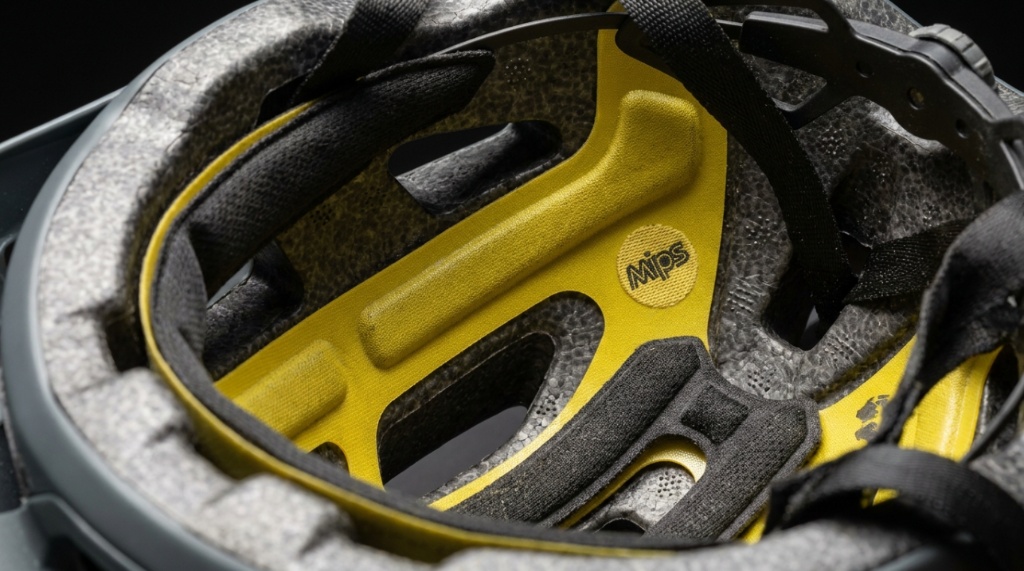
- MIPS or equivalent rotational protection ($30-60 premium): Measurably reduces concussion risk. Independent data supports this. Worth every penny for anyone who rides trails.
- Extended rear coverage ($10-30 premium): More of your head is protected. Particularly relevant for mountain biking where backward falls off technical features are common.
- Certification level: All helmets meet minimum CPSC. Virginia Tech 5-star rated helmets have been independently verified for superior protection. Higher Virginia Tech rating = proven better protection.
Comfort Features (Value Depends on Ride Frequency)
- Better ventilation (more/larger vents, channeled airflow): Matters for riders in hot climates or long rides. Marginal for cool-weather or short-ride use.
- Lighter weight (saving 50-100g): Noticeable on 2+ hour rides, nearly irrelevant on sub-1-hour rides.
- Premium pad materials (antimicrobial, moisture-wicking): Worth it for sweaty riders or those who ride 4+ days/week. Overkill for weekend warriors.
- Fit system quality (micro-adjustable dials vs. basic straps): Better fit = more secure = better protection. Worth investing in for heads between standard sizes.
Convenience Features (Nice but Non-Essential)
- Integrated camera/light mounts: Useful if you film rides. $5 universal mounts work too.
- Magnetic buckles: Slightly faster one-hand operation. Standard buckles work perfectly fine.
- Removable visors with multiple positions: Convenient but a fixed visor blocks sun equally well.
- Goggle gripper/integration: Essential for enduro goggle users. Irrelevant if you don’t wear goggles.
Marketing/Aesthetic Features (Skip Without Guilt)
- Brand-name cachet: A $130 Giro MIPS and a $250 POC MIPS protect your brain equally.
- Limited edition colorways: $20-50 premium for paint color. Zero safety benefit.
- Professional team branding: You’re paying for a sticker, not performance.
- Ultra-premium shell materials (carbon fiber accents): Minimal weight savings at massive price increase. Carbon fiber structural elements save meaningful weight; cosmetic carbon adds cost only.
How Much Should You Actually Spend on the Best Mountain Bike Helmet?
Real-world value tiers based on what you actually get for your money:
| Price Tier | What You Get | Best For | Examples |
|---|---|---|---|
| $60-90 | CPSC certified, basic ventilation, standard fit system, minimal coverage | Casual riders, beginners, limited budgets | Bell Stoker, Schwinn Excursion |
| $90-140 | MIPS, good ventilation, extended coverage, quality fit system | Regular trail riders (sweet spot for value) | Giro Fixture MIPS II, Bell Sixer MIPS |
| $140-200 | MIPS, premium ventilation, lighter weight, excellent comfort | Frequent riders, longer rides, warm climates | Giro Montaro MIPS II, Smith Session MIPS |
| $200-300 | Advanced protection, ultra-light, max ventilation, premium everything | Enthusiasts, racers, riding 4+ days/week | Troy Lee A3 MIPS, POC Kortal Race MIPS |
| $300+ | Top-tier materials, lowest weight, maximum features, race-specific | Competitive racers, weight-obsessed riders | Specialized Ambush 2, POC Otocon Race MIPS |
The sweet spot: $90-140 delivers the most meaningful safety-per-dollar. You get MIPS (or equivalent), legitimate extended coverage, competent ventilation, and quality construction. The jump from $60 to $110 provides dramatic safety improvement. The jump from $140 to $250 provides comfort and weight improvements — nice but far less impactful than that first $50 upgrade.
What Features Are Non-Negotiable Regardless of Budget?
No matter what you spend, these elements determine whether a helmet adequately protects you:
1. Proper fit (THE most important factor): A $300 helmet that doesn’t fit your head shape protects worse than a $80 helmet that fits perfectly. The helmet must sit level on your head (not tilted), cover your forehead (two finger-widths above eyebrows), and remain stable when shaken without the buckle fastened. If it moves more than 1 inch in any direction, it’s wrong for your head — regardless of brand, price, or features.
2. Current certification: CPSC sticker must be present inside. No certification = not legally or actually a bicycle helmet. No exceptions.
3. Rotational protection (MIPS or equivalent): In 2026, there’s no legitimate reason to buy a trail helmet without rotational protection. Options exist at every price point from $80 upward. The science is settled, the cost premium is minimal, and the protection benefit is measurable.
4. Secure retention system: The buckle and straps must hold the helmet firmly in crash position. If you can pull the helmet off your head while buckled (even with effort), the retention system is inadequate.
How Do You Find the Right Fit Without Trying Every Helmet?
Head shapes vary as much as shoe sizes — not all helmets fit all heads. Here’s how to narrow options efficiently:
Measure your head circumference: Wrap a flexible tape measure around your head just above your ears and across your forehead (at its widest point). This gives your size in centimeters — match to manufacturer size charts. Most mountain bike helmets span 51-54cm (S), 55-59cm (M), and 59-63cm (L).
Identify your head shape: Oval (longer front-to-back than side-to-side — most common), round (equal dimensions), or long-oval (significantly longer front-to-back). Different brands favor different shapes:
- Round heads: POC, Smith, and Specialized tend to fit rounder profiles
- Oval heads: Giro, Bell, and Troy Lee Designs tend to fit oval profiles
- Long-oval heads: Bontrager, some Kask models
Online buying strategy: Order from retailers with free returns. Try 2-3 helmets from brands known to match your head shape. Keep the one that fits best — not the most expensive or best-reviewed. Reviews can’t tell you if a helmet fits YOUR head.
In-store strategy: Try on helmets without looking at price tags first. Find the 3 best-fitting options across all prices. Then compare features and value among only those that fit well. Never compromise fit for features or price.
Where Can You Find Deals on Quality Mountain Bike Helmets?
Smart buying strategies that reduce cost without reducing protection:
Previous-year models (30-50% off): When a new model year releases, the previous version goes on deep discount. The helmet didn’t become less safe overnight — it just has last year’s colorway. Safety features, construction, and protection are identical. This is the single best strategy for value-conscious riders.
End-of-season sales (September-November): Retailers clear summer inventory before winter. Mountain bike helmets hit their lowest prices in fall. Plan your replacement cycle around this window if possible.
Direct-from-manufacturer sales: Brands like Giro, Bell, and Smith run 20-40% off sales on their own websites during holidays and clearance periods. Sign up for email lists to catch these.
Multi-buy programs: Some retailers offer discounts when buying a helmet with another item (shoes, gloves). If you need both anyway, bundling saves $20-40.
Outlet stores and warehouse sales: REI Garage, Competitive Cyclist sale section, and brand outlet stores offer genuine products at 30-60% off retail. Verify the helmet has current certification and isn’t past its recommended shelf life.
What NOT to do: Never buy uncertified helmets from unknown sellers. Never buy used helmets (you can’t verify impact history). Never buy helmets more than 2-3 years past manufacture date at discount — their protective lifespan is already partially consumed.
How Do Premium Helmets Actually Differ from Budget Helmets in Real-World Use?
Objective, honest differences you’ll actually notice on trail:
Ventilation (noticeable in heat): A $250 helmet with 20+ large, channeled vents runs noticeably cooler than a $90 helmet with 12 smaller vents during summer riding above 80°F. On cool days or short rides, the difference is negligible. If you ride in hot climates for 2+ hours, ventilation premium is felt — otherwise, it’s barely relevant.
Weight (noticeable on long rides): A 250g premium helmet versus a 350g budget helmet. The 100g difference is perceptible on 3+ hour rides (less neck fatigue) but honestly unnoticeable on rides under 90 minutes. Your water bottle weighs 500g+ — context matters.
Fit system quality (noticeable daily): Premium micro-adjustable dials with cradle-style retention systems genuinely hold the helmet more securely and comfortably than basic elastic bands. This IS worth paying for because it directly affects safety (stability during impact) and comfort (no pressure points).
Pad quality (noticeable with sweat): Antimicrobial, moisture-wicking pads stay more comfortable during sweaty rides and resist odor buildup longer. If you sweat heavily, this upgrade legitimately improves your experience. Light sweaters may never notice the difference.
For riders evaluating specific models across these value tiers, this comprehensive review of the best mountain bike helmet options covers performance comparisons that help identify where your money delivers the most on-trail benefit.
What Common Buying Mistakes Cost Riders Money Without Adding Safety?
- Buying for brand recognition over fit: A $250 POC that doesn’t match your head shape protects worse than a $100 Giro that fits perfectly. Brand loyalty is expensive when it ignores fit reality.
- Choosing the lightest option regardless of other factors: Paying $100 extra to save 40 grams means nothing if the lighter helmet has worse ventilation, worse fit, or less coverage for your riding style.
- Over-buying for riding intensity: A weekend trail rider buying a $350 race helmet is paying for performance margins they’ll never need. Match the helmet to your actual riding — not aspirational riding.
- Waiting for the “perfect” deal and riding without proper protection: A helmet you’re wearing today protects infinitely better than the perfect helmet you’ll buy next month. If your current helmet is expired or damaged, buy a replacement NOW at whatever budget you have.
- Ignoring Virginia Tech ratings: The free, publicly available Virginia Tech STAR rating system tells you exactly how well a helmet performs. A 5-star $110 helmet outperforms a 3-star $200 helmet in measured protection. Check ratings before buying.
What’s the Best Mountain Bike Helmet Buying Strategy for Long-Term Value?
Thinking in terms of cost-per-year rather than upfront price changes the equation:
Strategy 1: Buy mid-range, replace on schedule. Purchase a $110-140 MIPS helmet, use it for 3-4 years, replace with the next generation’s equivalent. Cost: $28-47/year. You always have current technology and fresh protection.
Strategy 2: Buy premium on clearance. Wait for previous-year premium helmets ($200-300 retail) to hit 40-50% clearance ($100-150 actual cost). You get premium comfort and features at mid-range prices. Cost: $30-50/year assuming 3-4 year use.
Strategy 3: Two helmets in rotation. Buy two mid-range helmets simultaneously. Alternate between them. Each gets half the sweat/UV exposure, extending individual lifespan to 4-5 years. Also means you always have a backup if one gets crashed. Total cost over 5 years: $220-280 ($44-56/year) for uninterrupted protection.
Choosing the right protective gear often depends heavily on where and how you ride. Just as you need to understand the structural differences Between a Mountain Bike and a Commuter Bike to choose the right frame, you must also match your headwear to your terrain. While casual city riders might prioritize ventilation, trail riders require robust rear-coverage helmets designed to handle high-impact dirt crashes without breaking the bank.
FAQ
Is a $100 MIPS helmet as safe as a $300 MIPS helmet?
In terms of core impact protection: very close. Both meet the same CPSC certification and both include MIPS rotational protection. Virginia Tech testing shows some budget MIPS helmets score equally to premium ones — and occasionally better. The $300 helmet adds comfort, weight savings, and ventilation — not dramatically superior protection. Always check Virginia Tech ratings for objective comparison.
Should I buy my first mountain bike helmet online or in-store?
In-store if possible for your first helmet — fit assessment with physical try-on is invaluable when you don’t know your head shape preferences. If online is your only option, order from retailers with free returns, buy 2-3 options in your measured size from brands matching your head shape, and return what doesn’t fit. Never keep a helmet that doesn’t fit perfectly just to avoid return hassle.
Do I need a different helmet for different types of mountain biking?
For trail and cross-country: one quality half-shell MIPS helmet covers everything. For enduro: consider extended coverage or convertible (removable chinbar) helmets. For downhill: a full-face ASTM F1952-certified helmet is required — your trail helmet isn’t designed for these forces. Most riders need one trail helmet and add a full-face only if they ride lift-access downhill.
Are women-specific helmets actually different or just smaller/pink?
Legitimate women’s helmets have different internal shaping (accommodating ponytails with ponytail-compatible fit systems), slightly different shell proportions for statistically different head shapes, and sometimes lighter clamping force. These are genuine design differences — not just color. However, a unisex helmet that fits well works identically regardless of gender. Fit matters more than marketing category.
What’s the best time of year to buy a mountain bike helmet?
September-November for end-of-season clearance (30-50% off previous-year models). Black Friday/Cyber Monday for retailer-wide sales (20-40% off). And whenever new model years release (usually spring) for closeout prices on last year’s equivalent. Worst time: peak season (May-August) when demand is highest and discounts are rarest.
Should I prioritize Virginia Tech rating over MIPS when choosing?
They measure different things and both matter. Virginia Tech rates overall helmet performance (linear + rotational). MIPS is one technology that contributes to better rotational scores. Ideally: buy a helmet with both high Virginia Tech rating AND MIPS. If forced to choose: a 5-star Virginia Tech non-MIPS helmet may outperform a 3-star MIPS helmet. Use both criteria together.
Can I buy a used mountain bike helmet to save money?
Never. You cannot verify: whether it’s been crashed (internal damage invisible externally), how old it actually is (manufacture dates can be removed/faded), how it was stored (heat exposure, chemical exposure), or whether any components have been compromised. A $60 new certified helmet is infinitely safer than any used helmet of unknown history. Brain protection isn’t the place to bargain-hunt on secondhand goods.
Key Takeaways
- ✅ The best mountain bike helmet sweet spot is $90-140 — MIPS protection, quality fit, and good construction without premium pricing for marginal comfort gains
- ✅ Fit is the single most important factor — a perfectly fitting $80 helmet protects better than a poorly fitting $300 helmet
- ✅ Previous-year clearance models (30-50% off) offer identical protection to current models at dramatically lower prices
- ✅ Check Virginia Tech STAR ratings for objective, independent safety data—price doesn’t always correlate with protection
- ✅ Non-negotiable features at any budget: proper fit, current CPSC certification, and MIPS/rotational protection


Leave a Reply