
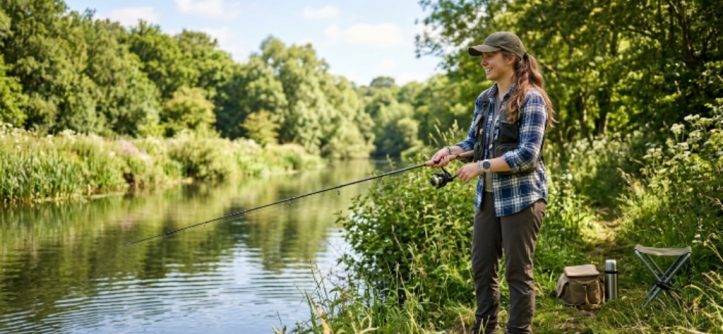
Fishing is one of the most relaxing outdoor activities in the world. However, stepping into a tackle shop for the first time can feel completely overwhelming. There are hundreds of rods, reels, lines, and accessories staring back at you. The good news is that you do not need to buy everything at once. You just need the right gear to get started comfortably and confidently.
This guide will help you make smart choices from day one. Whether you plan to fish at a local pond, a river, or the coast, the right equipment makes all the difference. Read on to discover how to build your first fishing setup without overspending or overcomplicating things.
Why Comfort Is the First Thing Beginners Should Think About
Most beginners focus entirely on catching fish. That is understandable. However, comfort is just as important, especially when you are new to the sport. A fishing session that leaves your back aching, your hands blistered, or your feet soaking wet will put you off fishing for good.
Comfortable fishing gear keeps you focused on the experience rather than your discomfort. When your rod feels natural in your hand, your chair supports your back, and your clothing blocks the wind, you can stay out longer and enjoy every moment. Therefore, before you think about bait or technique, think about how your body will feel after four hours on the water.
Choosing the Right Fishing Rod for Your Needs
The rod is the centerpiece of your setup. For beginners, a medium-action spinning rod is the best starting point. It is versatile, easy to handle, and works well for most freshwater fish. A length between six and seven feet suits most fishing situations.
Look for a rod that feels balanced in your hand. Grip material matters more than most beginners realize. Cork and EVA foam handles are the most comfortable options. They absorb vibration and feel warm even in cool morning temperatures. Additionally, a lighter rod reduces arm fatigue during long sessions, which is something every beginner will appreciate.
Avoid buying the cheapest rod on the shelf. You do not need an expensive model either. A mid-range rod in the $30 to $70 price range offers excellent quality for beginners without breaking the bank.
Picking a Reel That Feels Natural in Your Hands
The reel works alongside the rod. For beginners, a spinning reel is the easiest type to learn. It is simple to cast, easy to maintain, and widely available. Match your reel size to your rod. A size 2500 or 3000 reel pairs well with a medium spinning rod.
When choosing a reel, hold it before you buy it. The handle should turn smoothly without any grinding or resistance. The weight should feel comfortable for the size of rod you plan to use. A reel that is too heavy will throw off the balance of your entire setup and tire your wrist quickly.
Look for reels with at least four ball bearings. More bearings generally mean a smoother retrieve. However, you do not need a high-end model. A solid mid-range reel in the $25 to $60 range will serve you well through your first several seasons.
Understanding Fishing Line Choices
Fishing line seems simple, but it plays a big role in how comfortable and effective your setup feels. There are three main types: monofilament, fluorocarbon, and braided line.
Monofilament is the best choice for beginners. It is affordable, easy to handle, and forgiving when you make mistakes with your cast. It stretches slightly, which helps absorb the shock of a fish striking the bait. A 10-pound test monofilament line works well for most freshwater beginners.
Braided line is stronger and thinner, but it requires more skill to handle. Fluorocarbon is nearly invisible underwater, but it is stiffer and harder to manage. Therefore, stick with monofilament until you feel confident with your casting and knot-tying skills.
Must-Have Fishing Tools Every Beginner Needs
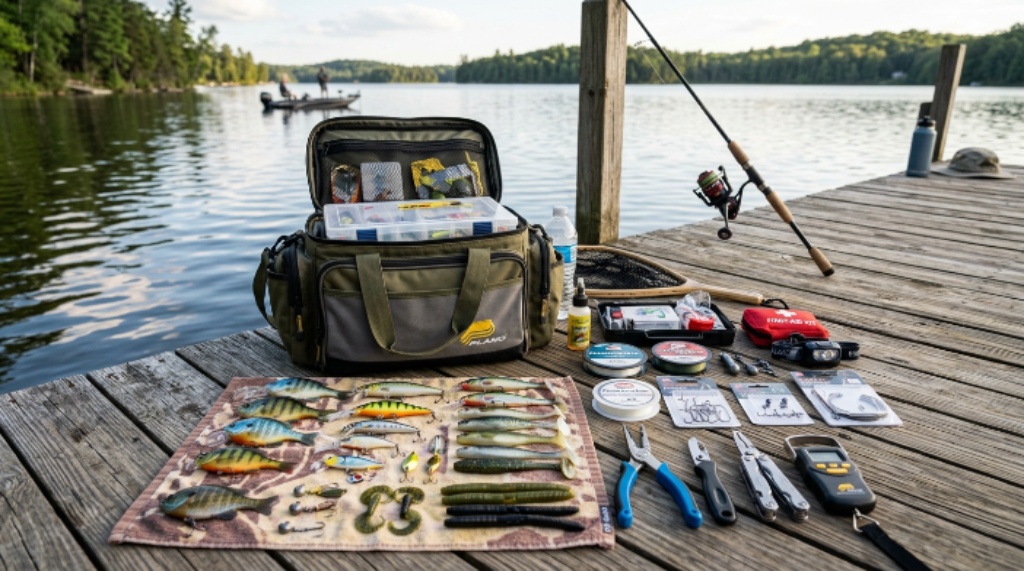
No fishing kit is complete without a small set of essential tools. These items make your sessions safer, easier, and more enjoyable. The following must-have fishing tools should find a place in every beginner’s tackle bag:
- A pair of fishing pliers or forceps for removing hooks safely
- A line cutter or small scissors for trimming knots cleanly
- A tackle box or bag to keep your gear organized and protected
- A hook remover to avoid injuring fish if you plan to practice catch-and-release
- A fishing scale if you want to record the size of your catches
These tools are inexpensive and widely available. Together, they prevent frustration and make every outing run smoothly. Additionally, having everything organized in a tackle bag means you spend less time searching and more time fishing.
Beginner Fishing Accessories That Improve Every Session
Beyond the basics, a few extra items can turn a good session into a great one. These beginner fishing accessories are not strictly required, but they add real value and comfort to your experience.
A good fishing hat with a wide brim protects your face and eyes from the sun. Polarized sunglasses reduce glare on the water and help you spot fish below the surface. A lightweight fishing vest or pack keeps small items within easy reach without weighing you down.
A landing net is another smart addition. It helps you land fish quickly and reduces the risk of losing them at the last moment. Choose a rubber mesh net, as it is gentler on fish scales and fins. Furthermore, a collapsible net is easy to carry and stores neatly in a bag.
Clothing and Footwear for a Comfortable Day on the Water
What you wear matters as much as what gear you carry. Comfortable clothing allows you to move freely and stay protected from the elements. For most fishing scenarios, lightweight, moisture-wicking layers are the best choice. They keep you dry when you sweat and dry quickly if they get splashed.
Waterproof or water-resistant outerwear is worth the investment. A light rain jacket takes up almost no space in a bag and can save an entire trip when the weather turns. Layering gives you flexibility, since mornings near the water tend to be cold even in summer.
For footwear, choose shoes or boots with a solid grip on wet surfaces. Rubber-soled shoes are ideal. Avoid sandals or flat-soled sneakers, as they can cause slips on wet rocks or muddy banks. Waterproof ankle boots are a great all-around option for beginners who fish from the bank.
Choosing Comfort Gear for Long Fishing Sessions
If you plan to sit and wait for bites, investing in comfort gear is one of the smartest decisions you can make. A portable fishing chair or seat with back support makes a huge difference during long sessions. Look for a lightweight folding chair that is easy to carry to the water’s edge.
A cooler bag serves double duty. It keeps your drinks and snacks fresh and can also store your catch if needed. A small, insulated bag is enough for most day trips. Additionally, a rod holder or bank stick keeps your rod secure while you rest your hands or set up additional lines.
Sun protection is easy to overlook but essential. Apply sunscreen before you head out, even on cloudy days. UV rays reflect off the water and can cause sunburn faster than you expect. A neck gaiter or sun buff adds extra protection without adding bulk.
Setting a Budget That Makes Sense
Many beginners worry about spending too much on gear they may not use. That concern is valid. However, buying gear that is too cheap often leads to frustration. Equipment breaks, snaps, or performs poorly, which discourages you from continuing.
A realistic starter budget for a complete beginner setup falls between $100 and $200. This covers a quality rod and reel combo, line, a small tackle selection, and a few essential tools. You can always add items over time as your skills and confidence grow. Start simple, learn the fundamentals, and then expand your collection based on the type of fishing you enjoy most.
Conclusion
Starting your fishing journey does not have to be complicated or expensive. The most important steps are choosing gear that fits your body comfortably, selecting the right rod and reel for your skill level, and picking up a handful of essential tools and accessories. Comfort gear plays a bigger role than most beginners expect. When your body feels good, your mind stays relaxed and focused.
Use this guide as your starting point. Begin with the basics, build your confidence on the water, and add new gear gradually. Above all, enjoy the process. Fishing rewards patience, and so does building the perfect beginner setup. With the right preparation, your first season on the water will be one you remember fondly.
Frequently Asked Questions
What is the best fishing rod length for a beginner?
A rod between six and seven feet is ideal for most beginners. It offers a good balance between casting distance and control. A medium-action spinning rod in this length range suits most freshwater fishing situations perfectly.
How much should a beginner spend on their first fishing setup?
A budget of $100 to $200 is a realistic and sensible starting point. This covers a decent rod and reel, fishing line, a basic tackle selection, and a few essential tools. You do not need to spend more until you know what type of fishing you enjoy most.
Is braided line better than monofilament for beginners?
No. Monofilament is the better choice for beginners. It is easier to handle, more forgiving with casting mistakes, and much simpler to tie knots with. Braided line offers advantages for experienced anglers but adds unnecessary difficulty for those just starting out.
Do I need polarized sunglasses for fishing?
They are not required, but they are highly recommended. Polarized lenses cut through water glare and allow you to see beneath the surface. This helps you spot fish and structure, which improves your chances of success. They also protect your eyes from UV rays and flying hooks.
What is the most important piece of comfort gear for bank fishing?
A portable chair with back support is arguably the most important comfort item for bank fishing. Long sessions on hard or uneven ground put strain on your back and legs. A lightweight folding chair allows you to stay comfortable for hours, which ultimately helps you fish more effectively.
Related Topics:
A Tip of Genius: The Untold Invention Story of the Shoelace Aglet and Its Patents
Choosing a Powder Coating Machine for High-Temperature Applications



Leave a Reply