
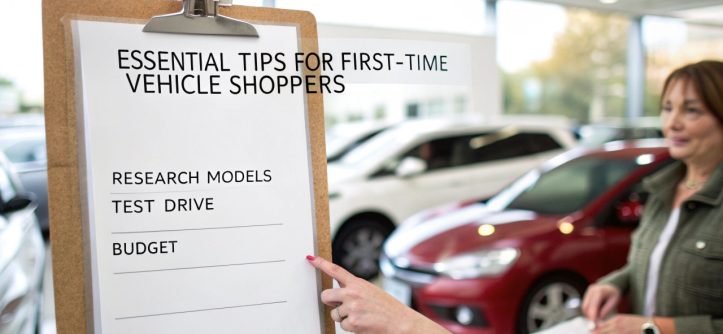
Key Takeaways
- Set a Budget: Include insurance, fuel, maintenance, and repairs.
- Define Priorities: Focus on must-have features like safety, fuel efficiency, or cargo space.
- Research Vehicles: Compare models using reviews, specs, and ownership costs.
- Check Financing: Get pre-approval and compare loan terms for the best deal.
- Inspect & Verify: Review vehicle history and schedule pre-purchase inspections for used cars.
- Account for Costs: Consider taxes, fees, and add-ons; request an “out-the-door” price.
- Use Online Tools: Compare listings, read reviews, and explore virtual tours.
- Time Your Purchase: Shop during sales events for better deals.
- Final Thought: Planning and research help first-time buyers confidently choose a reliable, budget-friendly car.
Establish Your Budget
Navigating your first car purchase can be exciting, but it is essential to start with a clear understanding of your finances. Establishing a budget not only sets your comfort zone for the purchase price but also accounts for important ongoing expenses, such as insurance, maintenance, fuel, and unexpected repairs. By working through a detailed financial plan, you can avoid overspending and keep your transportation choices aligned with your long-term goals. Learn more about what options fit both your needs and your financial plan.
Consider creating a spreadsheet that factors in monthly payments, insurance quotes, and estimated fuel costs to secure a vehicle without financial strain. Do not forget routine maintenance and potential repairs. Comprehensive budgeting is your shield against surprises down the road, helping to ensure that your investment remains a source of freedom rather than stress.
Research Vehicle Options
With so many vehicles available, sifting through options might seem overwhelming. Start by defining your top priorities: Are you searching for fuel efficiency, ample cargo space, all-wheel drive, or advanced safety features? Narrowing down what matters most to you helps eliminate distractions during your search. Use manufacturer websites, expert reviews, and customer testimonials to make side-by-side comparisons on models that interest you. These resources provide objective insights into reliability, comfort, and the cost of ownership, making it easier to match your preferences to a specific car model.
Understand Financing Options
Most first-time buyers will explore several financing choices before making their purchase. Investigate auto loans from traditional banks and credit unions, as well as dealership financing offers. Securing pre-approval with one or more lenders can give you a clearer idea of your price range and strengthen your negotiating position when you’re ready to buy. Pay careful attention to the interest rates, loan terms, and down payment requirements for each offer. Being informed increases your ability to recognize the best financial deal and helps you avoid predatory lending situations.
Check Vehicle History Reports
If you are considering a used car, obtaining a vehicle history report is an absolute must. These reports uncover valuable details, such as prior accidents, the number of owners, and red flags indicating prior mechanical issues or recalls. Request these reports directly from the seller or use trusted services that aggregate this data based on the car’s unique vehicle identification number (VIN). Reviewing a vehicle’s history can prevent you from inheriting someone else’s problems and ensure your new ride is as dependable as it looks.
Schedule a Pre-Purchase Inspection
Purchasing a pre-owned vehicle involves elements of trust. Take an extra step for peace of mind by arranging for a qualified mechanic to inspect any used car before you finalize the purchase. A professional inspection can detect hidden faults, worn parts, or previous repairs not disclosed by the seller. The relatively small investment in a pre-purchase inspection can safeguard you from costly repairs after you have driven off the lot.
Be Aware of Additional Costs
When shopping for your first vehicle, the sticker price is only one aspect of what you will pay. Factor in taxes, registration fees, state inspection charges, dealer documentation fees, and any add-ons that may be presented during negotiations. Request an “out-the-door” price from the dealership so you know exactly what you are paying upon signing. This transparency prevents last-minute surprises and allows you to compare the actual cost across different sellers or dealerships.
Utilize Online Resources
You have access to powerful resources right at your fingertips. Use mobile devices and online platforms to compare local listings, read expert reviews, and take virtual tours of vehicle features. These tools streamline your process, empowering you to make confident, well-informed decisions before you even set foot in a dealership. Digital tools and consumer review sites are invaluable for understanding current market values and identifying any ongoing manufacturer or dealership promotions.
Time Your Purchase Strategically
Believe it or not, the timing of your purchase can impact the deal you receive. Dealership salespeople often have monthly, quarterly, or annual quotas. Shopping at the end of the month or during year-end sales can result in substantial savings, as dealerships may be more flexible with pricing. Staying patient and attentive to promotional periods allows you to stretch your car-buying budget further and capitalize on additional incentives when they are available. According to The Week, timing your purchase well can help you land the best offers, especially if you are prepared to act quickly during sales events.
Final Thoughts
Embarking on your first vehicle purchase marks a significant milestone. By following these key strategies, you can navigate each step of the process with clarity and confidence, helping you secure a vehicle that truly matches your needs and lifestyle. Make your purchase a positive experience by staying informed, planning ahead, and utilizing resources designed to guide you every step of the way.



Leave a Reply