
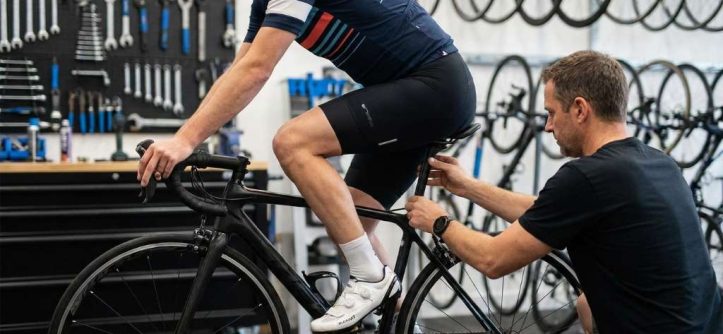
Yes, you can often reduce knee pain on long Boulder rides by adjusting bike fit, cadence, gearing, and riding load. Cycling studies report knee complaints in roughly 42% of recreational cyclists, making prevention especially important on demanding routes. Before changing your setup, confirm your bike frame size for 5 11 fits your body.
Key Takeaways:
- Check saddle height and fore-aft position before buying new equipment.
- Use easier gears and maintain a smoother cadence on Boulder climbs.
- Build long rides gradually instead of increasing distance and elevation together.
- Watch where your knee hurts because location can reveal different problems.
- Reduce aggressive climbing loads when pain begins during a ride.
- Seek professional assessment when pain persists, worsens, or affects normal movement.
Why Long Boulder Rides Can Trigger Knee Pain
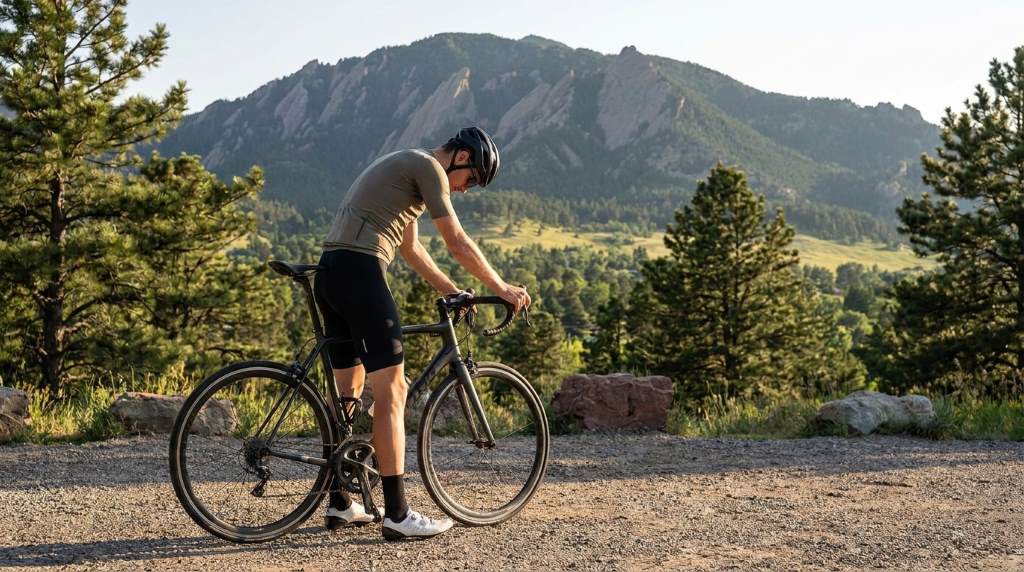
Boulder combines rolling roads, steep climbs, gravel sections, and sustained elevation changes. The local trail network includes routes reaching above 6,000 feet, while several trails feature continuous climbing. Therefore, your knees may face much greater repetitive demand than expected.
Long rides also magnify small equipment problems that remain unnoticed during short sessions. A slightly low saddle, excessive resistance, or poor cleat alignment can become painful after several hours.
Climbing creates another challenge because riders often push harder while maintaining inefficiently low cadence. Consequently, the quadriceps produce more force during every pedal stroke, increasing stress around the knee.
Descending creates a different problem because fatigue can change your pedaling technique. As your hips and core tire, your knees may move inward or outward more frequently.
First, Identify Where the Pain Starts
Pain above or around the kneecap often involves the patellofemoral area. Pain behind the knee can instead indicate excessive extension or an unsuitable saddle position.
Pain along the outside of the knee may involve the lateral tissues surrounding the joint. Meanwhile, pain along the inside can have different mechanical or tissue-related causes.
Location alone cannot diagnose an injury, so treat it as a useful warning signal. Stop chasing mileage if pain becomes sharp, persistent, or progressively worse.
Fix Your Bike Setup Before Changing Your Training
Start with bike fit because positioning directly influences how your legs move through each pedal revolution. Research links saddle height, saddle position, foot position, cadence, and power output with knee biomechanics.
For riders choosing between practical commuting and trail riding, compare a mountain bike commuter setup carefully. Your riding position should match your actual terrain, distance, and typical Boulder route.
Check Saddle Height
A saddle that sits too low can create excessive knee flexion during each revolution. Conversely, excessive saddle height can force your pelvis to rock while your leg reaches downward.
Do not rely solely on a generic inseam formula when adjusting saddle height. A systematic review found stronger support for dynamic knee-angle assessment during fitting.
Instead, watch your knee movement while pedaling naturally on a trainer or quiet road. Your hips should remain stable, while your knee should avoid extreme flexion or reaching.
Make small adjustments rather than moving the saddle several centimeters at once. Then ride briefly and reassess before making another change.
Evaluate Saddle Fore-Aft Position
Saddle position also changes your hip angle and relationship with the pedals. A position that feels comfortable for ten miles may become problematic after forty.
Move the saddle gradually and test each adjustment under similar riding conditions. Keep notes about pain location, climbing effort, cadence, and overall comfort.
Check Cleats and Foot Position
Clipless pedals can improve control, but poor cleat positioning can influence knee movement. Keep your foot naturally aligned instead of forcing your toes or knees into an artificial angle.
Research does not support one universal cleat position for every cyclist. Individual anatomy, riding style, and pain location can change the appropriate setup.
Therefore, avoid copying another rider’s cleat settings without professional assessment. Small changes can produce noticeable differences across long rides.
Change How You Climb and Pedal
Once your position looks reasonable, change your pedaling strategy before changing your bicycle. Long Boulder climbs reward controlled effort rather than repeated bursts of maximum torque.
A higher cadence with an easier gear usually reduces the force required for each individual pedal stroke. However, do not force an unusually fast cadence that makes your legs bounce or lose control.
Shift earlier when a climb steepens instead of waiting until your legs begin grinding. This simple habit can prevent sudden torque spikes that accumulate across long climbs.
Also, avoid standing for every steep section when your knees already feel irritated. Standing can change joint loading and may increase fatigue when used excessively.
Use a Simple Climbing Rhythm
Approach sustained climbs with a three-part rhythm:
- Before the climb: Shift into an easier gear before resistance rises sharply.
- During the climb: Maintain steady pressure instead of repeated maximal strokes.
- Near the summit: Keep pedaling smoothly instead of sprinting unnecessarily.
This strategy keeps your effort predictable and gives your knees fewer sudden mechanical demands. Additionally, controlled pacing helps preserve technique when fatigue becomes significant.
Stop Grinding Big Gears
Grinding occurs when you push a difficult gear at a low cadence. It often feels powerful, yet the repeated high-force strokes can aggravate sensitive knees.
Instead, downshift before your cadence collapses. Your goal should involve consistent circular pedaling rather than fighting the drivetrain.
If pain repeatedly appears during steep climbs, reduce climbing intensity temporarily. You can rebuild climbing strength after your knees tolerate easier efforts consistently.
Pay Attention to Terrain Changes
Boulder routes can change quickly from smooth pavement to gravel or steep trail surfaces. Each transition can alter traction, posture, cadence, and pedal resistance.
Slow slightly before rough sections and maintain a relaxed lower body. Avoid locking your knees while standing over technical terrain.
Match Tires, Gearing, and Protection to the Route
Equipment cannot correct poor bike fit, but appropriate equipment can reduce unnecessary effort. Your tires, gearing, and protective equipment should reflect the terrain you ride most often.
For riders covering rougher surfaces, a fat tire mountain bike can provide additional traction and stability. However, wider tires may also add rolling resistance, so choose them for genuine terrain needs.
Gearing deserves equal attention because steep climbs punish riders who lack sufficient low-end range. A wider climbing range can help you maintain easier gears without excessive knee force.
Tire pressure also matters on mixed surfaces. Excessively high pressure can make rough terrain feel harsher, while excessively low pressure can create handling problems.
Protect Your Head Without Ignoring Comfort
Safety equipment should remain comfortable throughout long rides because discomfort can distract from your riding technique. Choose a properly fitted best mountain bike helmet option for your riding environment.
A helmet does not prevent knee pain, of course, but safe equipment supports better overall riding habits. When you feel secure, you can focus more effectively on pacing, terrain, and body position.
Manage Distance, Elevation, and Recovery
Many knee problems begin when riders increase several training variables simultaneously. Adding mileage, climbing, speed, and technical terrain during the same week creates unnecessary stress.
Instead, change one major variable at a time. For example, increase distance first while keeping climbing and intensity relatively stable.
Then allow your body enough recovery before adding substantial elevation. This approach makes it easier to identify which training change triggered discomfort.
Use a Boulder-Specific Progression
Start with a comfortable route that includes moderate climbing and predictable surfaces. Gradually extend the distance while keeping your effort controlled.
Next, add more elevation without dramatically increasing speed. Finally, introduce longer technical sections after your knees tolerate the previous workload.
Boulder’s official cycling network includes routes from short loops to longer multi-trail rides. For example, the Super Loop covers approximately 22 miles across several connected trails.
Therefore, riders can progress gradually instead of treating every ride like a maximum-distance challenge. Choose routes according to current conditioning rather than aspirational mileage.
Take Breaks Before Pain Escalates
Short breaks can protect technique when fatigue begins changing your movement. Stop briefly, walk around, hydrate, and assess your symptoms.
Do not wait until mild discomfort becomes sharp pain before changing your plan. Early adjustments usually make it easier to finish safely or return another day.
Strengthen the Muscles That Support Your Pedaling
Strong legs help produce force efficiently, but cycling alone does not train every supporting movement equally. Include exercises that strengthen your quadriceps, hamstrings, glutes, calves, and hips.
Squats can develop general lower-body strength when performed with controlled technique. Step-ups can also challenge single-leg stability while resembling the demands of climbing.
Glute bridges provide a simple way to train hip extension without cycling-specific equipment. Side-lying leg raises can target hip stabilizers that help control knee alignment.
Keep Strength Training Controlled
Start with moderate resistance and prioritize movement quality over heavy loads. Avoid adding intense strength sessions immediately before your longest rides.
Two manageable sessions each week can support your riding without overwhelming your recovery. However, reduce training volume when existing knee pain becomes more noticeable.
Strength work should complement cycling rather than compete with it. Your objective involves better control and resilience, not simply larger muscles.
Know When Knee Pain Needs Professional Attention
Not every cycling ache requires medical treatment, especially when discomfort improves quickly after reducing load. Persistent or worsening pain deserves a more careful evaluation.
Seek professional help when pain limits walking, causes swelling, produces instability, or continues despite rest. A sports medicine professional or physical therapist can assess movement and cycling mechanics.
Do not repeatedly adjust your bicycle while ignoring symptoms that keep returning. Research shows that cycling position can influence biomechanics, but evidence does not support one universal adjustment for every cyclist.
A qualified bike fitter can evaluate your complete position instead of focusing on one measurement. That approach can reveal interactions between saddle height, reach, cleats, pedals, and riding posture.
A Practical Pre-Ride Knee Check
Before starting a long Boulder ride, spend five minutes checking your equipment and body. This simple routine can prevent small problems from becoming major interruptions.
- Bike position: Confirm your saddle has not shifted since the previous ride.
- Gearing: Make sure your easiest climbing gear works correctly.
- Pedals: Check that cleats and pedal tension feel normal.
- Tires: Set pressure according to your route and tire specifications.
- Body: Notice existing knee soreness before increasing intensity.
- Route: Review major climbs and technical sections before departure.
Also, begin the ride gently instead of attacking the first climb. Your knees often reveal problems sooner when you increase effort gradually.
What to Do If Knee Pain Starts During the Ride
First, reduce resistance and shift into an easier gear. Then maintain a comfortable cadence while monitoring whether the discomfort decreases.
If pain continues, lower your intensity further and consider shortening the route. Do not treat worsening pain as something you must simply ride through.
When symptoms become sharp, unstable, or significantly limiting, stop riding. Arrange safe transportation rather than turning an early warning into a longer injury.
Afterward, record where the pain occurred and what you were doing immediately beforehand. These details can help identify whether equipment, terrain, workload, or technique contributed.
Build a Knee-Friendly Long-Ride Strategy
The best solution usually combines several small improvements rather than one dramatic equipment change. Start with bike fit, then refine gearing, cadence, route difficulty, and training progression.
For your next long ride, choose a manageable route and deliberately avoid grinding steep sections. Keep your cadence comfortable, shift early, and monitor your knee throughout the ride.
Most importantly, treat recurring pain as information rather than an inconvenience. Your body can reveal problems with setup, workload, technique, or recovery before those problems become more serious.
Boulder offers exceptional riding variety, but that variety rewards thoughtful preparation. With a suitable bike, sensible pacing, gradual progression, and proper fit, you can make longer rides considerably more comfortable.
Conclusion
Fixing knee pain on long Boulder rides starts with your bike position and continues with smarter riding habits. Check saddle height, reduce grinding, use appropriate gearing, progress mileage gradually, and respect persistent symptoms.
Do not wait for knee pain to dictate your riding schedule. Review your setup before your next long ride, choose a manageable Boulder route, and make one improvement at a time.
Ready for a more comfortable ride? Start with a basic fit check, plan your climbing effort, and test your adjustments on a shorter route first. Then build toward longer Boulder rides as your knees respond comfortably.
Frequently Asked Questions
Why do my knees hurt after long bike rides?
Long rides can overload the knees through poor fit, excessive resistance, high training volume, or inefficient pedaling.
Should I raise my saddle if my knees hurt?
Not automatically, because both excessive and insufficient saddle height can contribute to uncomfortable knee mechanics.
Is a higher cycling cadence better for knee pain?
A comfortable higher cadence can reduce force per pedal stroke, especially when compared with grinding difficult gears.
Should I stop cycling when my knee starts hurting?
Reduce intensity immediately, and stop riding when pain becomes sharp, persistent, unstable, or increasingly severe.
Can a bike fit prevent knee pain?
A proper bike fit can improve positioning and movement, although it cannot guarantee prevention of every knee problem.

Leave a Reply