
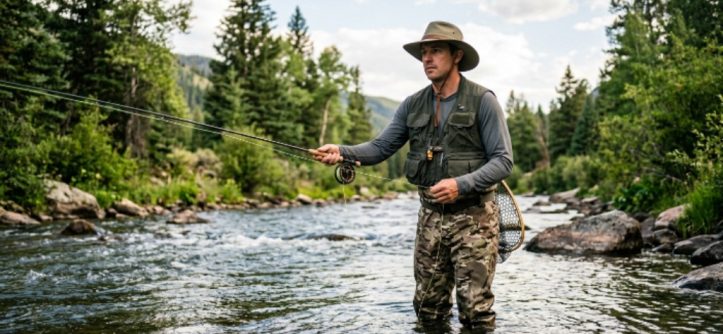
Every angler knows that a great day on the water starts with the right gear. While rods and reels often steal the spotlight, your hat is just as important. It shields your face from harsh sun, keeps rain off your eyes, and helps you stay comfortable for hours. Choosing the wrong hat, however, can leave you sunburned, sweaty, or struggling to see through glare. This complete guide helps you find the perfect fishing hat for your style, budget, and conditions in 2026.
Why Your Hat Is One of the Most Important Pieces of Fishing Gear
Most anglers underestimate the hat. They grab whatever is nearby and head to the water. Over time, though, the right hat makes a noticeable difference. A well-chosen hat reduces eye strain, protects your skin, and keeps you focused on the fish rather than the sun beating down on your head.
Dermatologists consistently point out that the face, ears, and neck are among the most sun-exposed areas on the body. A hat that covers these zones lowers your risk of sunburn and long-term skin damage. Therefore, picking the right one is not just about comfort — it is also about your health.
Additionally, a good fishing hat improves visibility. Polarized sunglasses work better when paired with a hat that blocks overhead glare. Together, they let you see beneath the water’s surface, spot fish, and cast more accurately.
The Main Types of Fishing Hats
Understanding your options is the first step. Each hat style offers different advantages depending on where and how you fish.
Baseball Caps
Baseball caps are the most popular choice among anglers. They are lightweight, packable, and available in countless styles. A curved brim shades your eyes and face effectively. However, they leave your neck and ears exposed. If you fish in open water or during peak sun hours, this can be a drawback.
Look for caps made from moisture-wicking or quick-dry fabrics. Many modern fishing caps also include built-in UV protection rated at UPF 30 or higher. This rating tells you how much ultraviolet radiation the fabric blocks.
Bucket Hats
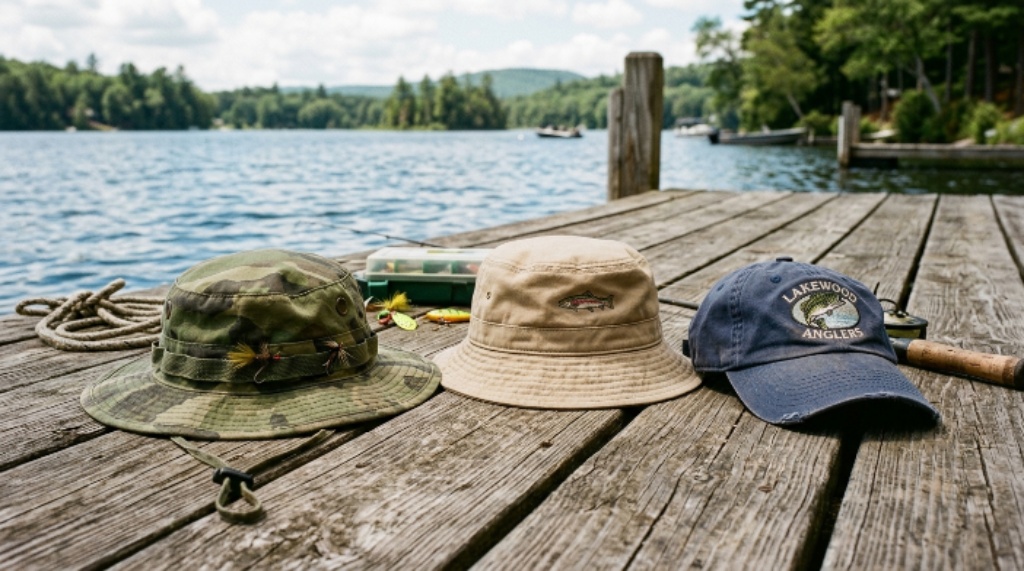
Bucket hats offer all-around coverage. The wide, downward-sloping brim protects your face, ears, and neck simultaneously. This makes them a smart choice for long days in the sun. Additionally, they pack down easily and dry quickly after splashes or rain.
Bucket hats have become a staple in any solid fishing apparel guide because of their balance between coverage and comfort. They work especially well for kayak fishing, surf fishing, and tropical destinations.
Wide-Brim Sun Hats
Wide-brim hats take sun protection to the next level. With brims measuring four inches or more, they cast a wide shadow over your shoulders and chest as well. These hats are ideal for fly fishing in open rivers, wade fishing, or any situation where you spend hours in direct sunlight.
Many wide-brim fishing hats are made from lightweight straw, nylon, or polyester blends. These materials breathe well and keep your head cool even on the hottest days.
Boonie Hats
Boonie hats are the workhorses of fishing headwear. Originally designed for military use, they combine the wide brim of a sun hat with practical features like chin straps, ventilation eyelets, and attachment loops. The chin strap keeps the hat secure on windy days on the open water. Therefore, boonie hats are a top pick for offshore fishing and deep-sea trips.
Neck Flap Hats and Legionnaire Caps
For anglers who need maximum sun protection, neck flap hats are the answer. A removable or built-in flap extends from the back of the cap to cover the neck and sometimes the ears. These hats look functional rather than fashionable, but they deliver serious protection. They are especially popular in Australia, Southeast Asia, and other regions with intense UV exposure.
Key Features to Look for in a Fishing Hat
Once you know which style suits you, focus on the features that matter most.
UPF Rating
Always check the UPF rating. UPF stands for Ultraviolet Protection Factor. A hat rated UPF 50+ blocks over 98% of UV rays. This is the gold standard for sun protection in any angler clothing essentials list. Do not settle for a hat with no UV rating if you plan to spend full days outside.
Material and Breathability
Fishing hats are made from a wide range of materials. Nylon and polyester are the most common because they dry quickly and resist mildew. Cotton feels comfortable but stays wet for a long time after contact with water or sweat. Straw and palm leaf hats breathe extremely well but offer less water resistance.
Look for hats with mesh panels or ventilation eyelets. These features allow heat to escape from the top of your head and keep you significantly cooler throughout the day.
Moisture-Wicking Sweatbands
The inside of your hat matters as much as the outside. A moisture-wicking sweatband pulls perspiration away from your forehead and prevents it from dripping into your eyes. This small detail makes a big difference during warm weather fishing sessions.
Brim Length and Style
A longer brim provides more shade. A stiff brim holds its shape better in wind. A flexible brim, however, packs flat without damage. Think about your fishing environment before choosing. Windy coastal conditions call for a stiffer, shorter brim. Calm lake days allow for larger, more flexible options.
Fit and Adjustability
A hat that blows off into the water is useless. Look for adjustable straps, chin cords, or fitted sizing to ensure a secure fit. Many fishing hats include a toggle cord at the back for a custom fit. This is particularly useful when buying online without the ability to try the hat on first.
Matching Your Hat to Your Fishing Environment
Different fishing environments call for different choices. Here is a simple breakdown to guide your decision.
- Inshore and bay fishing: A baseball cap or boonie hat works well. Conditions are moderate and wind is manageable.
- Offshore and deep-sea fishing: Choose a boonie hat or wide-brim hat with a secure chin strap. Wind and sun are intense on open water.
- Fly fishing in rivers: A wide-brim hat or bucket hat gives you all-around shade during long wade sessions.
- Kayak and canoe fishing: A low-profile baseball cap or bucket hat avoids catching wind and tipping off easily.
- Ice fishing: Insulated hats and beanies replace sun hats. Warmth, not UV protection, is the priority in freezing temperatures.
Color Choices and Practical Considerations
Hat color is more than a style decision. Darker colors absorb more heat but reduce glare. Lighter colors reflect sunlight and keep your head cooler. Many experienced anglers choose light gray, tan, or light blue for warm-weather fishing.
Additionally, some fishing hats feature built-in fly patches or lure holders on the brim. These small details are surprisingly handy on the water. You can store a few flies or hooks within easy reach without digging through your tackle bag.
Top Brands Worth Knowing in 2026
The fishing hat market has grown considerably. Several brands stand out for quality and innovation. Simms, Columbia, Patagonia, Buff, and Huk are consistently well-regarded in the angling community. Each brand offers a range of styles suited to different budgets and environments. Reading recent reviews and checking UPF ratings before purchasing is always a wise step.
Conclusion
Choosing the right hat is one of the smartest decisions an angler can make. It protects your skin, improves your visibility, and keeps you comfortable through long days on the water. Whether you prefer the simplicity of a baseball cap or the full coverage of a wide-brim sun hat, there is a perfect option for every fishing style and environment.
Focus on UPF rating, breathable materials, a secure fit, and the right brim style for your conditions. These factors, combined with the right overall gear strategy from any trusted fishing apparel guide, will keep you protected and comfortable all season long. Treat your hat as a core part of your angler clothing essentials, and you will notice the difference from your very first trip.
Frequently Asked Questions
What is the best hat material for hot weather fishing?
Nylon and polyester blends are the best choices for hot weather. They dry quickly, resist mildew, and breathe well. Look for hats with mesh panels for added airflow. Avoid cotton in warm conditions because it holds moisture and takes a long time to dry.
How important is UPF rating in a fishing hat?
UPF rating is very important. A hat rated UPF 50+ blocks over 98% of UV rays. If you spend several hours outdoors, this protection significantly reduces your risk of sunburn and skin damage. Always check the label before buying.
Can I wear a regular baseball cap for fishing?
Yes, but a fishing-specific baseball cap is a better choice. Fishing caps are made from quick-dry fabrics, often include UPF protection, and feature functional details like sweat-wicking bands. Regular cotton caps work in mild conditions but fall short during intense sun exposure.
What type of fishing hat is best for windy conditions?
A boonie hat with a chin strap is the best choice for windy days. The strap keeps the hat secure even in strong gusts. Wide-brim hats without a chin cord tend to fly off on open water, which is both inconvenient and wasteful.
How do I clean and care for my fishing hat?
Most fishing hats made from nylon or polyester can be hand-washed with mild soap and cool water. Rinse thoroughly and let them air dry. Avoid machine washing structured caps, as it can damage the brim’s shape. Check the care label on each hat for specific instructions.
Related Topics:
How to Start Surf Fishing on a Budget (Complete Guide)
What to Put in Gift Bags for Kids: A Complete Guide


Leave a Reply