
Picture this: you’re on Lake Lanier at dawn, the water is glassy, and you’ve just tied on a new bobber. You cast out, and within seconds, that red-and-white float dips hard—but you miss the hookset. The problem isn’t your reflexes; it’s your bobber. In Georgia, where waters range from tannic swamps to deep clear reservoirs, choosing the wrong float can mean the difference between a cooler full of bream and a frustrating day. Many anglers overlook this simple tool, but the best fishing bobbers georgia anglers use are specifically matched to current, wind, and target species. This guide will transform your float game, helping you read the water like a local pro and select the perfect bobber for every Georgia scenario.
What Are the Different Types of Fishing Bobbers Used in Georgia?
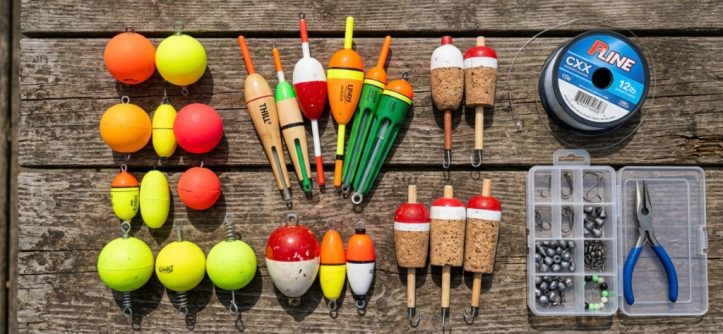
In short, Georgia anglers primarily use four types of bobbers: round plastic floats, slip bobbers, quill (or pencil) floats, and weighted casting bubbles. The best choice depends on whether you’re fishing a river current, a still pond, or a deep reservoir. The traditional round bobber works for beginners, but serious anglers in this state often switch to slip bobbers for deep water and quill floats for finesse presentations.
Round Plastic Bobbers: The Classic Choice
These are the iconic red-and-white spheres you see in every tackle shop from Athens to Albany. They are fixed to the line via a spring-loaded clip or a rubber band. For Georgia’s farm ponds and small lakes, they are exceptionally effective for bluegill and crappie. However, they struggle in wind because the surface area catches breeze, causing drag and unnatural bait movement.
When to use them: In calm conditions, for kids, or when fishing shallow (less than 3 feet). They are also the easiest to cast accurately; their weight carries light jigs well.
Slip Bobbers: The Deep Water Solution
Slip bobbers are the go-to for Georgia’s deep reservoirs like Lake Hartwell or Clarks Hill. Unlike fixed floats, they slide up the line until they hit a bobber stop. This allows you to fish at depths of 10, 20, or even 30 feet without casting a huge, unwieldy rig. The line slides through the bobber’s central hole, so casting is much easier.
Why they matter: They present bait precisely at the depth where fish are holding. In Georgia’s summer heat, crappie often suspend at 15-20 feet. A slip bobber is the only fixed-depth tool that makes this practical.
Quill and Pencil Bobbers: For Finesse and Sensitivity
These long, thin floats are incredibly sensitive. Made of goose quills or lightweight plastic, they offer minimal water resistance. In the slow-moving waters of the Ocmulgee River, a quill bobber will detect the lightest bite from a bream or a small bass. They are also excellent for fishing live crickets or worms in grassy shallows.
Key advantage: They barely disturb the surface, making them ideal for spooky fish in clear water springs like those found in north Georgia.
Casting Bubbles: For Fly Fishing Without a Fly Rod
Casting bubbles are plastic, water-filled spheres that allow spin-fishing anglers to cast extremely lightweight flies or tiny baits. In Georgia, these are perfect for targeting mountain trout in small streams or chasing bream with a popping bug. They add weight for casting but stay near the surface.
Pro tip: You can fill them partially with water to create a gurgling sound that attracts fish.
How Do Georgia Water Conditions Affect Bobber Selection?
Georgia’s diverse geography means you need to adapt your bobber choice to the water type. There is no “one size fits all” solution. The primary factors are wind, current, water clarity, and depth. Matching the bobber to these conditions is the secret to consistently catching more fish. Failing to do so results in poor bait presentation and missed hooksets.
Wind and Surface Chop: When Weight Matters
On windy days on Lake Allatoona, a light round bobber will be pushed around, dragging your bait into weeds or cover. You need a heavier, more buoyant bobber. Casting bubbles or larger slip bobbers with more mass stay put better. They punch through the wind, allowing your bait to remain in the strike zone longer.
Contrast: On a calm evening on a farm pond, a heavy bobber will create too much splash and spook the fish. Switch to a small quill float for a gentle presentation.
River Current vs. Still Water: Reading the Flow
In the Chattahoochee River, the current is the boss. A round bobber will be pulled under immediately. You need a weighted or a larger slip bobber that sits high in the water column. The key is to use enough weight so the bobber stands upright and holds its position in a likely eddy or behind a rock. In still water, precision matters less, but sensitivity matters more.
Practical advice: For rivers, always use a slip bobber with a weighted body (like a Thill Wobble Bobber) to reduce drag and keep your bait tumbling naturally.
Water Clarity and Fish Spook Factor
In crystal-clear springs like Jackson Creek, fish can see your float and line easily. A large, bright red bobber will scare them off. Use natural-colored quill floats or clear, water-filled casting bubbles. In stained or muddy water (common in south Georgia swamps), bright colors are beneficial. A bright orange or chartreuse bobber is easier for you to see, and the fish rely more on vibration and scent than vision.
Which Bobber Size and Shape Is Best for Crappie and Trout?
For crappie, the best bobber size is typically 1/8 to 1/4 ounce for slip bobbers, paired with a small jig. For trout, you need something much lighter, like a 1/16-ounce quill float. The size dictates casting weight and visibility. Too big, and you’ll miss subtle bites. Too small, and you can’t cast far enough or hold up the bait. It’s a delicate balance.
Crappie: The Slip Bobber Standard
Crappie are notorious for their soft bites. A traditional fixed bobber will often move unnaturally when a crappie inhales the jig, but the pressure of the bobber causes the fish to spit it out before you feel a thing. A slip bobber with a small, sensitive tip is critical. Set your depth to just above the brush pile or submerged structure where they are holding.
Recommended rig: 1/8 oz slip bobber, a small bead, and a bobber stop. Attach a 1/16 oz jig head with a curly tail grub. This is the ultimate crappie setup for Georgia lakes.
Trout: The Art of the Strike
Trout in north Georgia streams require finesse. A heavy bobber will kill the presentation. Use a quill or a micro-float that can support just a split shot and a single salmon egg. The float should be tiny and unobtrusive. The goal is to let the bait drift naturally with the current, with the bobber just ticking along the surface.
Key takeaway: For trout, less is always more. A pencil bobber 4 inches long is often perfect.
Bream and Bluegill: High Sensitivity, Light Weight
Bluegill strike hard, but they have small mouths. A large bobber will destroy a worm in a second. A small, round plastic bobber (size 6 or 8) works great. It offers just enough weight to cast a small hook with a red worm. You want to see the bobber twitch before it goes under.
When Do You Need a Slip Bobber Instead of a Fixed Bobber?
You need a slip bobber whenever you are fishing water deeper than the length of your rod. If you can’t fish at depth without a long line hanging from the tip, you need a slip bobber. For example, when fishing for suspended crappie at 15 feet, a fixed bobber is impossible to manage. A slip bobber allows you to cast normally, and the line slides through the float until the stop prevents it from going deeper.
Understanding the “Strike Zone” in Deep Water
In Georgia’s big reservoirs, fish are often located at specific depths. During the winter, crappie might hold at 25 feet. In the summer, bass might be at 10 feet looking for shade under docks. A slip bobber lets you pinpoint that exact depth. You can adjust your depth by moving the stop knot up or down the line. This is the most effective way to present a live minnow or shiner right in their face.
Common Mistakes with Slip Bobbers
One mistake is using the wrong bobber stop. You need a small, rubber bobber stop that can pass through the guides of your rod easily. Another is setting the depth incorrectly. Always start with your bait just a few inches off the bottom and adjust from there. A third mistake is using a bobber that is too heavy; this causes the light jig to sink too fast and spook the fish.
Can You Use Bobbers for Catfish in Georgia Rivers?
Yes, you can, but with modification. While most catfish anglers use bottom rigs, using a bobber for eating-size channel catfish (2-5 lbs) in rivers is highly effective. You need a large, buoyant slip bobber or a casting bubble filled with water. The goal is to suspend a cut bait or a live bluegill near cover.
When heading out to explore different waterways across the state, pairing the right float setup with a compact gear choice ensures you stay mobile—remember that Telescopic Fishing Rod Combos Make Travel Fishing Easier when you are hiking to remote ponds or bank fishing.
The “Bank Runner” Technique
For river catfish, a heavy slip bobber set to keep your bait 1-3 feet off the bottom is killer. Cast near a log jam or a cut bank. The current will take the bait down, and the bobber will float along. When it stops moving, a catfish has taken it. This is a thrilling way to fish, as the strike is often violent and visible.
Best setup: Use a 1-ounce slip bobber, a heavy barrel swivel, and a circle hook. This setup helps you feel the fish and set the hook on the reel, not the rod.
How to Rig a Slip Bobber Rig Step-by-Step
Rigging a slip bobber correctly is essential for success. Here is a simple, foolproof process. First, slide a small bobber stop onto your main line. Next, add a colored plastic bead (this acts as a cushion for the bobber knot). Third, slide the slip bobber onto the line. Finally, tie on your hook or jig. The stop limits how far the bobber can slide up the line, setting your fishing depth.
Step 1: Setting the Depth
Slide the bobber stop up the line to your desired depth. For example, if you want to fish 8 feet deep, tie your line to the hook, then hold it next to your rod. Slide the stop up 8 feet (or roughly the length of your rod tip to the reel). The bobber will then sit at that depth when cast.
Step 2: The Casting Process
When you cast, the bobber slides down to your lure, making casting easy. Once in the water, the bobber floats and slides up the line until it hits the stop. The line below the bobber sinks to the set depth. To retrieve, just reel in; the bobber will slide back down for your next cast.
Step 3: Adjusting for Success
If you aren’t getting bites, move the stop up or down by 6 inches to a foot. Fish often move in the water column. Experiment for the first 10 minutes of fishing. The ability to adjust quickly is the main advantage of the slip bobber.
What Are the Most Durable Bobber Materials for Georgia’s Sun?
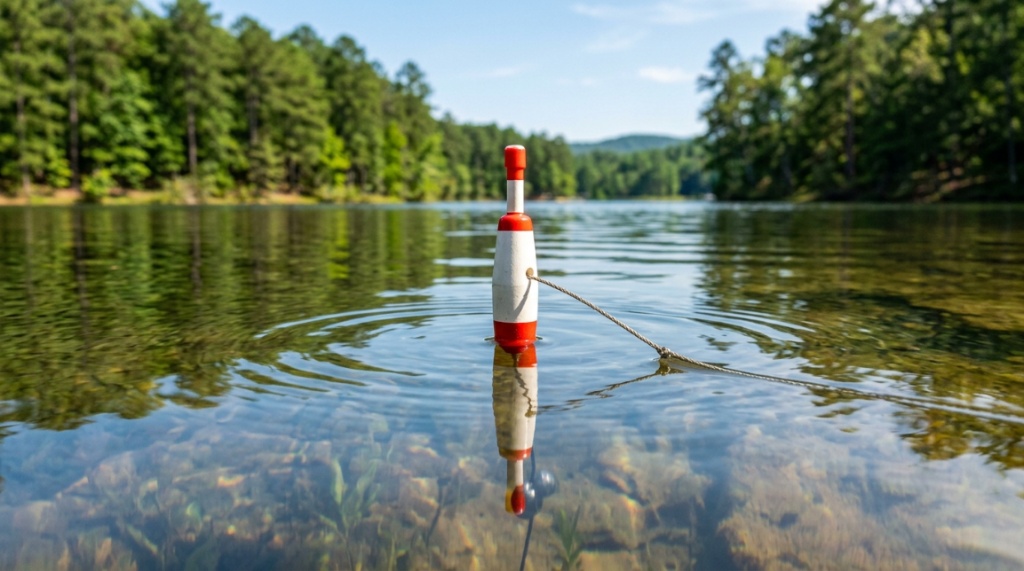
Georgia’s hot and humid summers can damage cheap plastic bobbers. The sun makes them brittle. The best materials are high-density balsa wood, hard foam, or polycarbonate plastic. Balsa floats are sensitive but can crack. Foam bobbers (like the new EVA foam models) are extremely durable and buoyant. They won’t crack under pressure.
Flashlight Bobbers: The Night Fishing Edge
For night fishing for catfish in Lake Seminole, consider an LED bobber. These hard plastic bobbers contain a small battery and a light. They are visible for 100+ yards. They are heavier than normal, so you need a medium-action rod. They are perfect for still fishing from the bank, letting you see the slightest strike.
Why Foam and Balsa vs. Cheap Plastic
Cheap plastic bobbers often fill with water due to hairline cracks, killing their buoyancy. Foam bobbers don’t fill with water; they are a closed-cell structure. This means they float indefinitely. For the price difference of a dollar, it’s worth upgrading. You will lose fewer rigs and catch more fish because your bobber stays exactly where it should.
Where to Buy the Best Fishing Bobbers in Georgia Locally
You can find quality bobbers at major retailers like Bass Pro Shops, Dick’s Sporting Goods, and Walmart throughout the state. However, local bait and tackle shops are your best bet for specialized gear and free advice. Shops like Stone Mountain Tackle, Atlanta’s Fish Hawk, and various shops around Lake Lanier (like Hammond’s Fishing) carry premium brands like Thill and Lindy.
If you prefer online convenience, specialty retailers offer a wider selection. To compare models and specs, you can check out this resource on the best fishing bobbers georgia has to offer, which covers top-rated kits and budget options.
How to Match Bobber Weight to Your Lure for Perfect Casting
The bobber shouldn’t do all the work; it should balance the lure. A good rule of thumb is the bobber should be just heavy enough to be cast without flimsy movement. If your bobber is too heavy, it will pull the lure and cause tangles. If it’s too light, you can’t cast it into the wind. Use a bobber that is only slightly heavier than the lure.
Weight Ratio Basics for Georgia Bait
For live worms (weightless), use a size 6 or 8 round bobber. For 1/16 oz jigs, use a 1/8 oz slip bobber. For 1/8 oz jigs, use a 1/4 oz slip bobber or casting bubble. For live shiners (2-3 inches), use a small quill or a size 4 round float.
The Splat Test
You can test your balance by casting in the water. If the bobber lands and immediately pops back up with a big splash, it’s too heavy. If it lands with a delicate “plop” and sits upright, it’s perfect. A well-balanced rig casts further, lands quieter, and presents a natural bait.
Frequently Asked Questions
Do I need a special rod for slip bobbers?
No, you can use any spinning rod, but a medium-light rod with a sensitive tip helps. The rod needs to have guides small enough to allow the bobber stop to pass through easily. A 6 to 7-foot spinning rod is ideal.
Can I use a bobber in heavy current?
Yes, but you need a weighted bobber (like a casting bubble) or a large slip bobber with extra split shot. The key is to use enough weight so the bait stays near the bottom and the bobber remains upright. Do not use a light round bobber in fast current.
What is the best bobber for wind?
For windy days, use a casting bubble or a larger slip bobber with a narrow profile. These cut through the wind better than round bobbers. You can also add a small split shot 12 inches above the hook to stabilize the rig.
How do I tie a bobber to my line?
Most modern bobbers have a spring-loaded clip or a rubber band. For round bobbers, push the line into the clip. For slip bobbers, slide the line through the central hole. For quill bobbers, use a small rubber band or tie a knot around the line. Always ensure the clip is secure to prevent the bobber from sliding.
Are float lights legal in Georgia?
Yes, LED lights are perfectly legal. However, you cannot use a glow stick or light that attracts fish (like a submersible light) while fishing with a rod and reel. Floating lights are for visibility, not attracting, so they are allowed.
What is the best color bobber for stained water?
In stained or muddy water, use bright colors like white, chartreuse, or orange. These are highly visible to you. In clear water, use natural colors like clear, green, or gray to avoid spooking fish.
Conclusion
Selecting the right bobber is not just about staying visible on the water; it is about controlling your presentation, reaching the correct depth, and maximizing your hookup ratio. From the swift currents of the Chattahoochee to the deep clear waters of Lanier, Georgia offers a variety of fishing environments, each demanding a specific float strategy. Remember the core principles: use slip bobbers for deep water, quill floats for finesse, and weighted casting bubbles for wind and river current. best fishing bobbers georgia options are designed to help you adapt to these conditions quickly. So, before your next trip, assess the weather, the water clarity, and your target species. Invest in a multi-pack of quality bobbers that covers these scenarios. The right bobber will turn those frustrating misses into consistent catches, making your time on the water more productive and enjoyable. Get out there, adjust your rig, and enjoy the bite.



Leave a Reply