
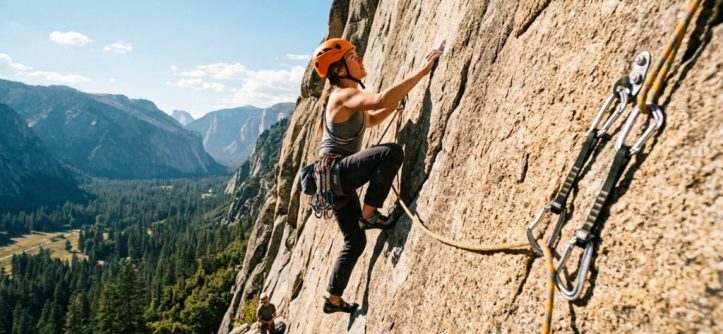
You’ve just dropped $200 on a shiny new dynamic rope, only to realize three months later that it’s already fraying at the ends and you could have gotten something sturdier for half the price. We’ve all been there. The climbing gear market is crowded with options that blur the line between “budget-friendly” and “garbage,” and making the wrong choice isn’t just a waste of money—it can become a genuine safety hazard. The real challenge isn’t finding a rope; it’s finding the best value climbing ropes 2026 has to offer without sacrificing durability, handling, or your peace of mind.
In this guide, we’re cutting through the marketing fluff. I’m going to break down exactly what “value” means in the context of climbing ropes, which materials and specs actually matter, and how to spot a bargain that won’t compromise your safety. Whether you’re a weekend sport climber or a budding trad leader, this article will arm you with the knowledge to make a smart, informed purchase.
What Does “Best Value” Really Mean in Climbing Ropes?
Value isn’t the same as the lowest price. A $50 rope that falls apart in one season is terrible value, while a $180 rope that lasts for five years of heavy abuse is a steal. When we talk about the best value climbing ropes 2026, we’re looking at the optimal balance between upfront cost, longevity, weight, and safety.
The single biggest mistake new climbers make is buying the cheapest rope they can find to “save money.” This almost always backfires. Cheap ropes often use lower-grade nylon that loses its elasticity faster, which leads to harsh falls and premature retirement. They also tend to suffer from poor sheath construction, resulting in accelerated abrasion and a shorter lifespan.
What Factors Contribute to a Rope’s Value?
To determine true value, you need to look at cost-per-use. A rope that costs $200 but gives you 300 days of climbing costs less per day than a $120 rope that only lasts 100 days. Key factors include sheath thickness, UIAA fall ratings, and the quality of the core strands.
Why Durability Outweighs Weight for Most Climbers
Unless you are an alpinist counting every gram on a big wall, durability should be your primary metric. A slightly heavier rope with a thicker sheath will resist abrasion on gritty rock and handle frequent top-rope sessions much better than an ultralight model that feels like a feather but wears out quickly.
The Hidden Cost of Buying Cheap
The hidden cost is not just financial—it’s the risk of a catastrophic failure. When a low-quality rope loses its dynamic stretch properties, the impact force transferred to your gear and body increases dangerously. That is a price no climber should ever pay.
Why Are Ropes Getting More Expensive in 2026?
If you’ve browsed gear catalogs recently, you’ve likely noticed prices creeping upward. It’s not just inflation; it’s the raw materials market. The cost of producing high-grade nylon and polyamide has risen significantly, and manufacturers are passing those costs onto consumers.
However, this does not mean you should avoid buying a rope this year. It simply means you need to be more strategic. With the price of cheap ropes rising too, the margin between a budget rope and a premium rope is shrinking, making premium options more accessible in relative terms,If you are looking for outdoor utility alternatives beyond rock climbing, check out our guide on how to find affordable hunting ropes for trees for your next setup.
How Nylon Prices Impact the Market
Nylon resin is a petroleum-based product. As global energy prices fluctuate, so does the cost of climbing gear. Manufacturers can mitigate this by using recycled materials or blending fibers, but these processes also carry their own engineering costs.
Can You Still Find Bargains in 2026?
Absolutely. Brands are releasing more “all-rounder” models designed to hit a price point that appeals to the average gym-to-crag climber. These ropes often sacrifice a little bit of weight but maintain strong safety standards, offering exceptional value for money.
The Rise of “Slightly Used” and Demo Sales
One of the best strategies for 2026 is looking for last season’s colorways. When a manufacturer releases a new color, shops often discount the old stock by 15-20%. Functionally, these ropes are identical to the new models, but they are significantly cheaper.
Which Rope Diameter Offers the Best Value in 2026?
The 9.5mm to 10.0mm range is widely considered the sweet spot for value. These ropes offer the perfect compromise between durability, handling, and weight. They are thick enough to withstand frequent use and abuse but thin enough to feed smoothly through belay devices.
In 2026, a 9.8mm rope is arguably the best choice for a single-rope climber who wants to do a little bit of everything. It handles well enough for moderate sport climbing projects but lasts long enough to justify the investment.
The Benefits of a 9.8mm “All-Rounder”
This diameter offers a low impact force during falls, which is easier on your harness and anchors. It also doesn’t have the flimsy feel of thinner ropes, making it more forgiving for beginners who need to practice clipping and footwork.
When Is a Thinner Rope Worth the Extra Money?
If you are pushing hard grades on overhanging routes where weight dictates success, a 9.2mm or 9.4mm rope is justified. But beware—these ropes wear out much faster, especially if you top-rope on rough rock. They require careful handling and are often not the best value climbing ropes 2026 for general use.
Why Thick Ropes Cost Less (And Why You Should Care)
Manufacturers use less processing on thicker ropes, and they use more of the standard (cheaper) nylon blend because they don’t need to weave the sheath as tightly to achieve the same safety rating. This means you often get more rope for your buck in the 10.0mm+ category.
How to Evaluate Sheath Thickness and Core Quality
The construction of the rope is where the magic happens. A rope is essentially a core of twisted nylon filaments covered by a braided outer sheath. The ratio of sheath to core determines both the handling and the durability of the rope.
For the best value, you want a rope with a sheath proportion of around 35-40%. This ensures the protective outer layer is thick enough to resist rock abrasion while maintaining enough core mass to provide dynamic stretch.
Understanding Sheath Slip
One failure mode to look out for is “sheath slip,” where the core slides inside the sheath. You can test this by trying to push the sheath along the rope at the end—if it moves easily, it’s a cheap build. High-value ropes have a tightly woven sheath that fuses with the core.
The 40% Sheath Rule
Always check the specifications. If the manufacturer lists the sheath proportion, aim for 40%. This is the industry benchmark for durability. Lower proportions (30% or less) feel slick and lightweight but often result in a rope that fuzzes up dramatically after a harsh session.
How to Check UIAA Fall Ratings
The UIAA fall rating (often 5, 6, 7, or 8) tells you how many standard falls the rope can withstand before failure. A rope with a fall rating of 7 or higher is considered highly durable. If a rope only has a 5-fall rating, it’s likely too soft and will retire quickly.
Is a Static Rope a Better Value Than a Dynamic Rope?
No. If you are using the rope for lead climbing, you absolutely must use a dynamic rope. Static ropes are designed for rappelling, hauling, and rescue scenarios, and they lack the stretch necessary to absorb the energy of a fall.
Using a static rope to lead climb is extremely dangerous—the sudden shock load can generate forces that break carabiners, bolts, and anchors. While static ropes are cheaper and much more durable against abrasion, they are not a valid alternative for general climbing.
Where Static Ropes Offer Value
If your main activity is rappelling into canyons or setting up top-rope anchors from a fixed line, static ropes are highly valuable. They last for years because they don’t suffer the constant stretching and contracting that dynamic ropes do.
Why Dynamic Ropes Wear Out Faster
The dynamic capability requires the core fibers to stretch, which causes internal friction. Over time, this friction breaks down the polymer chains. It’s an inevitable process, and it’s why you cannot expect a dynamic rope to last forever.
Can You Use One Rope for Everything?
Yes, but you will retire it faster. Using a dynamic rope for top-roping, lead climbing, and rappelling is standard practice. However, excessive rappelling over rough edges will chew up the sheath. To get the best value, use an old rope for rappelling and keep your new rope for leading.
When Should You Retire a Climbing Rope?
This is the most critical question for your safety. The general rule of thumb is to retire a rope after 5 years of occasional use, or immediately if it has been heavily used for 1-2 years. However, physical damage is the number one indicator to look for.
If you can pinch the rope and feel a flat, soft spot where the core has broken, or if you see the white core through the sheath, the rope is dead. Do not pass go. Do not “just use it once more.” Retire it immediately.
Visual Signs of Core Damage
Core damage is often invisible until it’s catastrophic. Look for “necking,” which is a sudden thinning of the rope diameter. Also be wary of any places where the texture feels different—softer or lumpy—compared to the rest of the rope.
The “S” Curve Test for Sheath Damage
Bend the rope into a tight “S” shape. If you see “chicken heads” (little bumps) or if the weave looks loose and distorted, the sheath is compromised. This usually happens at the ends where the rope rubs against the rock.
How to Extend the Life of Your Investment
Use a rope bag to keep dirt out. Dirt acts like sandpaper, grinding down the fibers from the outside. Also, always use a friction saver when top-roping over a cliff edge—this one habit can double the lifespan of your rope.
How to Choose Between Single and Half Ropes
If you only plan on sport climbing or gym climbing, a single rope is the only option you need. Half ropes and twin ropes are specific tools for trad climbing and mountaineering, where the ability to clip separate strands reduces drag and protects the gear.
For the vast majority of climbers, buying a single rope is the best value proposition. It is simpler to handle, easier to learn to belay with, and generally more affordable than buying two half ropes.
The Cost-Effectiveness of a Single Rope
A single rope is the best value climbing ropes 2026 offers for 90% of users. You get one length, one diameter, and a simple system. There is no need to learn complex belay methods for double ropes.
Why Half Ropes Are Worth It for Trad Climbers
If you are climbing long, wandering routes with lots of gear, half ropes are invaluable. They reduce rope drag and allow for safer falls. However, the cost of two ropes makes them a specialized investment, not a general value buy.
Can You Use a Twin Rope as a Single?
Technically, you can if the UIAA calls it a “unified” rope, but it is not ideal. Twin ropes are thinner and have lower impact force ratings when used alone. Always check the manufacturer’s instructions before doing this—using a twin rope as a single is usually dangerous.
How to Determine the Right Rope Length for Your Climbing Area
The standard length for most sport climbing areas is 60 meters or 70 meters. In 2026, the 70-meter rope has become the new standard. It allows you to comfortably climb routes that are 30-35 meters long without worrying about lowering off the end.
If you buy a 60-meter rope, you run the risk of ending up short on anchors at many modern crags. A 70-meter rope gives you that extra buffer, and the weight penalty is minimal.
Measure Twice, Buy Once
Look up the guidebook for your local crag. If the routes are consistently stated as 28 to 30 meters, a 60-meter rope works fine (you can split the difference). But if there are any 35-meter pitches, go straight to 70 meters.
The Weight Penalty of Extra Length
Carrying an extra 10 meters of rope adds about 0.5 kg (depending on diameter). For most climbers, this is an acceptable trade-off for the flexibility it provides. Rack your brain: would you rather be short on a rappel or carry half a kilo extra?
Rappel Considerations
Remember that a 70-meter rope allows you to rappel 35 meters if you pull the middle. This is the standard length for efficient descent in most climbing areas, making the 70-meter option the most practical choice for overall value.
Does Rope Treatment (Dry vs. Non-Dry) Affect Value?
Dry-treated ropes are coated with a water-repellent finish that prevents the rope from soaking up water. This treatment also makes the rope more resistant to dirt and abrasion. While they cost 15-20% more upfront, they often last twice as long as non-treated ropes.
For gym climbing or dry, sunny crags, a non-dry rope is fine. But if you climb in areas with mornings dew, snow, or damp rock, the dry treatment is worth its weight in gold. It is a classic case of paying more upfront to save money later.
Why Dry Treatment Improves Longevity
The treatment prevents grit and sand from embedding into the weave. Because the fibers are coated, they slide past each other with less friction, reducing internal wear. This directly correlates to a longer lifespan and thus a better value over time.
The Downside of Dry Ropes
They tend to be slicker when brand new, making it harder for beginners to control their speed when lowering. They can also be stiffer and slightly heavier. However, after a few climbs, the handling normalizes.
Is the Investment Worth It?
Yes, for outdoor enthusiasts. If you do 80% of your climbing outdoors, buy the dry-treated rope. For those in the gym, save your money and buy a standard rope, because the gym environment is clean and climate-controlled.
What Are the Best Value Rope Brands to Watch in 2026?
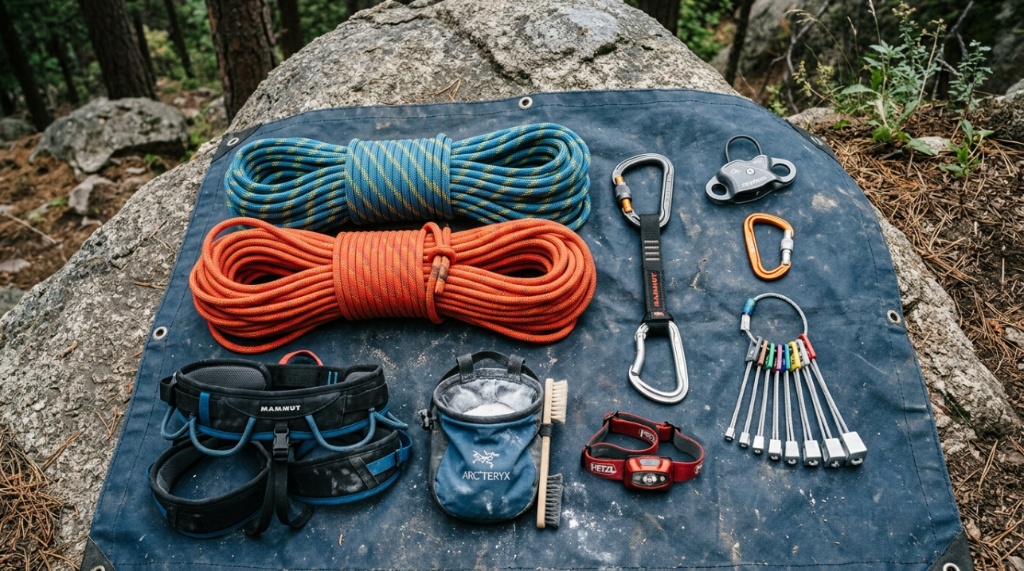
While specific models fluctuate, the brands that consistently offer high value are those that manufacture their own fibers, such as Beal, Edelrid, Mammut, and Sterling. These companies invest heavily in R&D, ensuring their budget lines still maintain high safety margins.
Additionally, look out for smaller brands that cut out the middleman. Often, these companies use the same factories as the big names but sell at a reduced price. In the world of climbing gear, the best value climbing ropes 2026 are often hidden in these lesser-known catalogs.
Why Yifarope is Gaining Traction
One particular brand that has been making waves in the value segment is Yifarope. They focus on producing high-quality dynamic ropes with competitive pricing, cutting costs on marketing and passing the savings to climbers. If you are looking for a reliable option that won’t break the bank, checking out their lineup is a smart move. You can see their specific recommendations for affordable outdoor options when looking for the best value climbing ropes 2026 in tough environments like Colorado.
The Big Brands vs. The Outliers
The big brands offer longevity and warranty support, but you pay a premium for the logo. The outliers, like Yifarope, offer similar specifications for 30-40% less. For budget-conscious climbers, this is where the true value lies.
How to Vet a New Brand
Before buying from an unfamiliar brand, check for the UIAA certification label. This is non-negotiable. If they haven’t tested to UIAA standards, regardless of the price, do not buy it. Certification is the baseline for safety.
Conclusion
Finding the best value climbing ropes 2026 doesn’t mean hunting for the cheapest option on the clearance rack. It means understanding the engineering that goes into the rope, identifying your personal climbing style, and investing in a product that balances durability, safety, and cost-per-use. The smartest climbers know that a rope is a tool for survival, not just an accessory, and they treat it with the respect it deserves.
As you head into the 2026 season, prioritize a 9.8mm to 10.0mm dynamic rope with a 40% sheath proportion and a UIAA fall rating of at least 6. Decide on a 70-meter length, and seriously consider a dry treatment if you plan to climb outside regularly. Then, look for emerging brands or last-season colorways to maximize your savings. When you make your choice, you want a rope that helps you push your limits, keeps you safe on the rock, and actually lasts. Take your time, do the math, and invest in your safety—your future self and your climbing partner will be grateful you did.
Frequently Asked Questions
How long does a climbing rope last?
With regular outdoor use, a climbing rope should be retired after 1-2 years or 100-200 climbing days. For occasional climbers, the lifespan stretches to 5 years, but physical damage or hard falls warrant immediate retirement.
Is a 9.8mm rope too thick for sport climbing?
No, 9.8mm is a versatile sweet spot. It is thick enough to be durable and easy to handle, yet thin enough to clip smoothly and fit standard belay devices. It is ideal for beginners and veterans alike.
Can I use a rope that has been rapped on a lot?
Rappelling creates a sharp bend over rock edges, which is the harshest treatment for a rope. If the sheath shows severe fuzzing or if the core is visible, you must stop using it. Otherwise, rotate the ends to distribute wear.
Does a higher UIAA fall rating mean a better rope?
Yes, generally. A higher fall rating indicates a more robust core that can absorb more impact energy. A rope with a rating of 8 will typically last longer and handle more abuse than one rated at 5.
Are cheap climbing ropes safe?
Only if they carry a UIAA certification. If a rope lacks this certification, it does not meet safety standards, regardless of the price. Cheap does not automatically mean unsafe, but you must verify the certification before trusting it.



Leave a Reply