
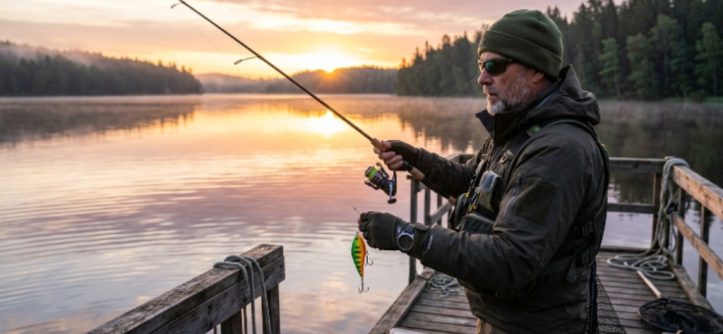
Fishing is one of the most relaxing hobbies a person can pick up. It gets you outdoors, sharpens your patience, and rewards you with a sense of quiet satisfaction — whether or not you catch anything. However, walking into a fishing store for the first time can feel overwhelming. The shelves are packed with rods, reels, lines, lures, hooks, and gadgets of every size and color. Where do you even begin?
The answer is simple. Start small, stay focused, and build your kit piece by piece. This guide will walk you through everything you need to assemble a solid fishing gear kit as a beginner. By the end, you will know exactly what to buy, what to skip, and how to get the most out of your first few trips on the water.
Why the Right Gear Makes a Real Difference
Good gear does not guarantee a full catch. However, the wrong gear can make fishing feel frustrating and confusing. A tangled reel, a snapped line, or a hook that is too large for the fish in your local lake can ruin an otherwise perfect morning.
Starting with the right equipment builds confidence. It also helps you learn faster. When your gear works the way it should, you can focus on technique instead of troubleshooting. Therefore, investing a little time in choosing the right kit from the beginning pays off quickly.
Choosing Your First Fishing Rod and Reel
The rod and reel are the heart of any basic fishing setup. For beginners, a spinning combo is the best choice. A spinning rod and reel are easier to use than baitcasting alternatives. They are also more forgiving when you are still learning to cast.
Look for a rod that is between six and seven feet long. This length works well for most freshwater fishing situations. A medium-power rod handles a wide range of fish sizes without being too stiff or too flexible.
When it comes to the reel, match it to your rod. Most spinning combos sold at sporting goods stores are already paired correctly. Buy a pre-matched combo if you can. It removes the guesswork and saves you money compared to buying the rod and reel separately.
Selecting the Right Fishing Line
Line choice matters more than most beginners realize. There are three main types: monofilament, fluorocarbon, and braided line. For beginners, monofilament is the top pick.
Monofilament is affordable, easy to handle, and forgiving when you make mistakes. It stretches slightly, which helps absorb sudden pulls from a fighting fish. Additionally, it ties into knots easily, which is important when you are still learning the basics.
A six- to ten-pound test monofilament line works well for most freshwater fishing. Lighter line is harder to see and easier to break. Heavier line is stiffer and harder to cast. Staying in the middle range gives you the best balance.
Building Your Starter Tackle Box
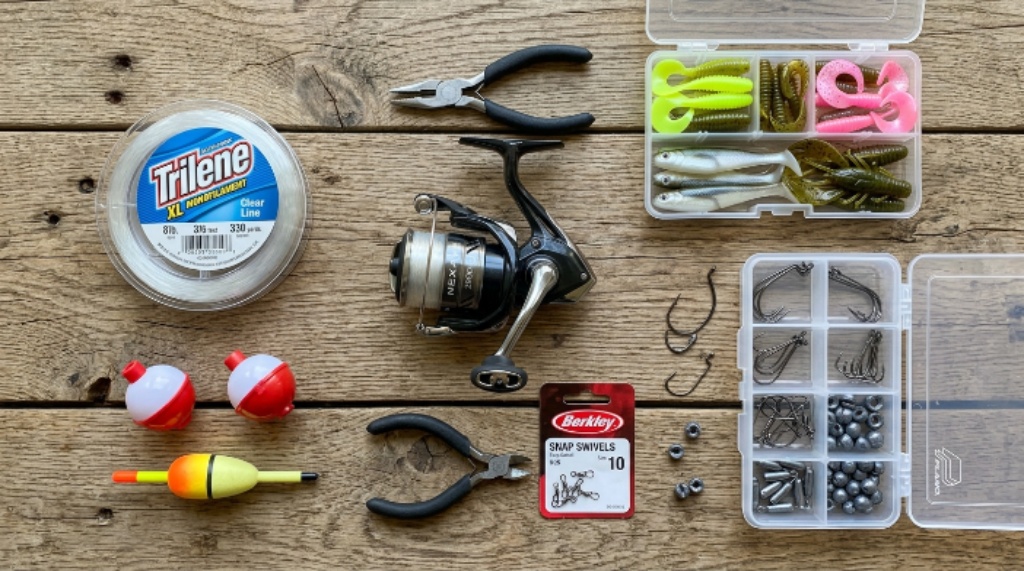
A starter tackle box is where organization begins. It does not need to be large or expensive. A small, two-tray plastic box is perfectly fine. What matters is what goes inside it.
Here are the essential items every beginner should carry:
- Assorted hooks in sizes 6, 4, and 2 for general freshwater use
- A selection of split-shot sinkers to weigh your line down
- A few slip bobbers or fixed floats to suspend your bait
- Plastic worms and soft grubs in natural colors like green, brown, and black
- A small pack of swivels to prevent line twist
- A hook remover or needle-nose pliers for safe hook removal
- Extra monofilament line in case of breakage
- A small pair of scissors or line clippers
These basics cover almost every situation you will encounter as a new angler. As you gain experience, you can add more specialized lures and tools. However, starting lean keeps things manageable and easy to carry.
Understanding Hooks, Sinkers, and Bobbers
Many beginners overlook the importance of terminal tackle — the small items attached at the end of the line. However, these pieces directly affect whether a fish bites and whether you land it.
Hooks come in many shapes and sizes. For general beginner fishing, a simple J-hook in size 6 or 4 works well. These hooks hold bait securely and set easily when a fish bites.
Sinkers add weight to your line. They help your bait sink to the right depth. Split-shot sinkers are the easiest to use. You simply pinch them onto the line with pliers. No tying is required.
Bobbers float on the surface and dip below the water when a fish takes the bait. They serve as your visual signal that something is happening below. For still-water fishing like ponds and lakes, a bobber is one of the most effective tools a beginner can use.
Picking the Best Bait for Your First Trips
Bait selection depends on what fish live in your local waters. However, a few options work almost universally well for freshwater beginners.
Live earthworms are the classic choice. They are cheap, easy to find, and attractive to a wide range of fish including bass, perch, bluegill, and catfish. Thread the worm onto the hook so that it covers the point but still wiggles freely.
Artificial soft plastic worms and grubs are a close second. They last longer than live bait and require no refrigeration. Additionally, they come in many colors and sizes, giving you flexibility without extra cost.
PowerBait, a dough-style synthetic bait, works especially well for trout in stocked lakes and rivers. Roll a small piece around the hook and cast it near the bottom. Trout find the scent nearly irresistible.
Essential Accessories Every Beginner Needs
Beyond the rod, reel, and tackle box, a few extra accessories will make your fishing experience safer and more enjoyable.
A fishing license is the first and most important item. Most regions require one, and the fees help fund conservation programs. Check your local regulations before heading out.
A small first aid kit is also worth carrying. Hooks are sharp, and accidents happen. A few bandages and antiseptic wipes are easy to pack and good to have.
Polarized sunglasses protect your eyes from UV rays and glare. They also help you see beneath the water’s surface. This makes it easier to spot fish and structure near the shore.
A hat with a brim keeps the sun off your face and reduces eye strain during long sessions. Finally, carry a bottle of water and a snack. Fishing can stretch into hours without you noticing. Staying hydrated keeps you sharp and comfortable.
Learning Basic Casting Technique
Great gear only takes you so far. Learning to cast properly makes everything else work better. For spinning gear, the overhead cast is the simplest place to start.
Hold the rod with your dominant hand. Open the bail on the reel with your other hand and place your index finger on the line to hold it. Bring the rod back over your shoulder to about the two o’clock position. Then swing it forward smoothly and release your finger when the rod points toward your target.
Practice in an open field before heading to the water. Accuracy matters more than distance. A bait placed near fish-holding structure like fallen logs, weed edges, or dock pilings will always outperform a bait cast randomly into open water.
Finding the Right Spot to Fish
Location is everything in fishing. Fish do not spread evenly across a body of water. They gather near structure, shade, and food sources. Therefore, reading the water is one of the most valuable fishing tips any beginner can apply.
In ponds and small lakes, cast near the edges. Fish often feed along weed lines, under overhanging trees, and close to docks. In rivers and streams, fish hold behind rocks and in slower eddies where the current lessens. These spots give fish a place to rest while waiting for food to drift past.
Early morning and late afternoon are the most productive times to fish. Water temperatures are cooler, and fish are more active. Mid-day sun pushes many species into deeper, shaded water where they are harder to reach.
Conclusion
Building the perfect beginner fishing kit does not require a large budget or expert knowledge. It simply requires a little planning and the right priorities. Start with a quality spinning combo, load your starter tackle box with the essentials, choose a versatile bait, and learn the basics of casting and reading water. These steps give you everything you need to enjoy your first season on the water with confidence.
A solid basic fishing setup is the foundation of a hobby that can last a lifetime. Apply these fishing tips on your very first trip, and you will already be ahead of most beginners. Fishing rewards patience and curiosity. Go out, enjoy the process, and the catches will follow.
Frequently Asked Questions
How much does a beginner fishing kit cost?
A solid beginner kit typically costs between $40 and $100. This covers a basic spinning combo, a small tackle box, hooks, sinkers, bobbers, and some artificial lures. You do not need to spend more than this to get started effectively.
What is the best fish to target as a beginner?
Bluegill and perch are ideal for beginners. They are abundant in most freshwater bodies, bite readily, and are easy to hook. Bass and catfish are also great options once you are comfortable with basic casting and bait presentation.
Do I need a fishing license as a beginner?
In most regions, yes. A fishing license is legally required for anyone above a certain age. However, many areas offer free or discounted licenses for first-time anglers or during designated free fishing weekends. Check your local wildlife agency for details.
How do I know what hooks and sinkers to buy?
For general freshwater fishing, size 4 to 6 J-hooks and small split-shot sinkers cover most situations. If you are unsure, visit a local bait shop and describe the fish you plan to target. Staff can recommend exactly what you need for your specific location.
Is it better to use live bait or artificial lures as a beginner?
Live bait is generally easier for beginners. Fish respond to the natural scent and movement of live worms or minnows without requiring any technique from the angler. Artificial lures work well too, but they require some knowledge of retrieval speed and presentation to be effective.
Related Topics:
How to Tell If a Fish Is Male or Female: A Visual Guide
How Telescopic Fishing Rod Combos Make Travel Fishing Easier



Leave a Reply