
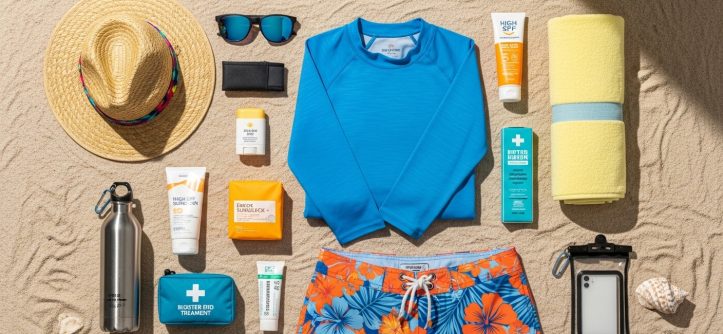
Ready to chase perfect waves, but worried about the harsh sun? Whether you’re riding barrels in Bali or mellow rollers in Malibu, sun protection isn’t optional—it’s essential. Packing the right gear safeguards your skin, boosts your stamina, and ensures your adventure ends with epic stories, not sunburn.
Quick answer: To pack sun protection gear for a surf trip, create a checklist including sunscreen, rash guards, surf hats, sunglasses, and lip balm with SPF. Choose reef-safe products and pack backups for long sessions. This minimizes UV exposure and helps you focus on your surf, not the sun.
What is the essential surf trip packing checklist for sun protection?
The essential surf trip packing checklist for sun protection includes sunscreen, rash guard, surf hat, polarized sunglasses, SPF lip balm, surf leggings, after-sun lotion, and a reusable water bottle. Check each item before leaving to ensure you’re fully protected from harmful UV rays on your trip.
Let’s break down why each item is crucial:
- Sunscreen: Choose broad-spectrum, water-resistant sunscreen with SPF 50+, preferably reef-safe. Apply liberally every two hours.
- Rash Guard: Stops irritation and provides UPF protection above and below water.
- Surf Hat: Keeps your face shaded and ears burn-free, especially during long sessions.
- Polarized Sunglasses: Protects your eyes from glare and UV while you’re on the beach or boat.
- SPF Lip Balm: Prevents chapped, sunburned lips—an often-overlooked area.
- Surf Leggings/Boardshorts: Shields legs from UV rays when not in a wetsuit.
- After-Sun Lotion: Soothes and hydrates your skin post-session.
- Reusable Water Bottle: Stay hydrated to avoid dehydration in the hot sun.
How do you choose the best sunscreen for a surf trip?
Choose a broad-spectrum, water-resistant sunscreen (SPF 50+), ideally mineral-based and reef-safe. Mineral sunscreens with zinc oxide or titanium dioxide provide lasting coverage, don’t sting eyes, and are safer for marine life. Look for creams, sticks, or face-specific formulas tailored to surfing’s demands.
Sunscreen is your first defense against sunburns, premature aging, and even skin cancer. Cream or stick formulas last longer in water than sprays. Always check for “reef-safe” to protect coral reefs and reduce harmful chemicals in our oceans. Test before your trip for sensitivity and reapply every 80-120 minutes. Pro tip: Pack a small, travel-sized tube for your boardshort pocket to reapply on the go.
What clothing and accessories provide the best sun protection while surfing?
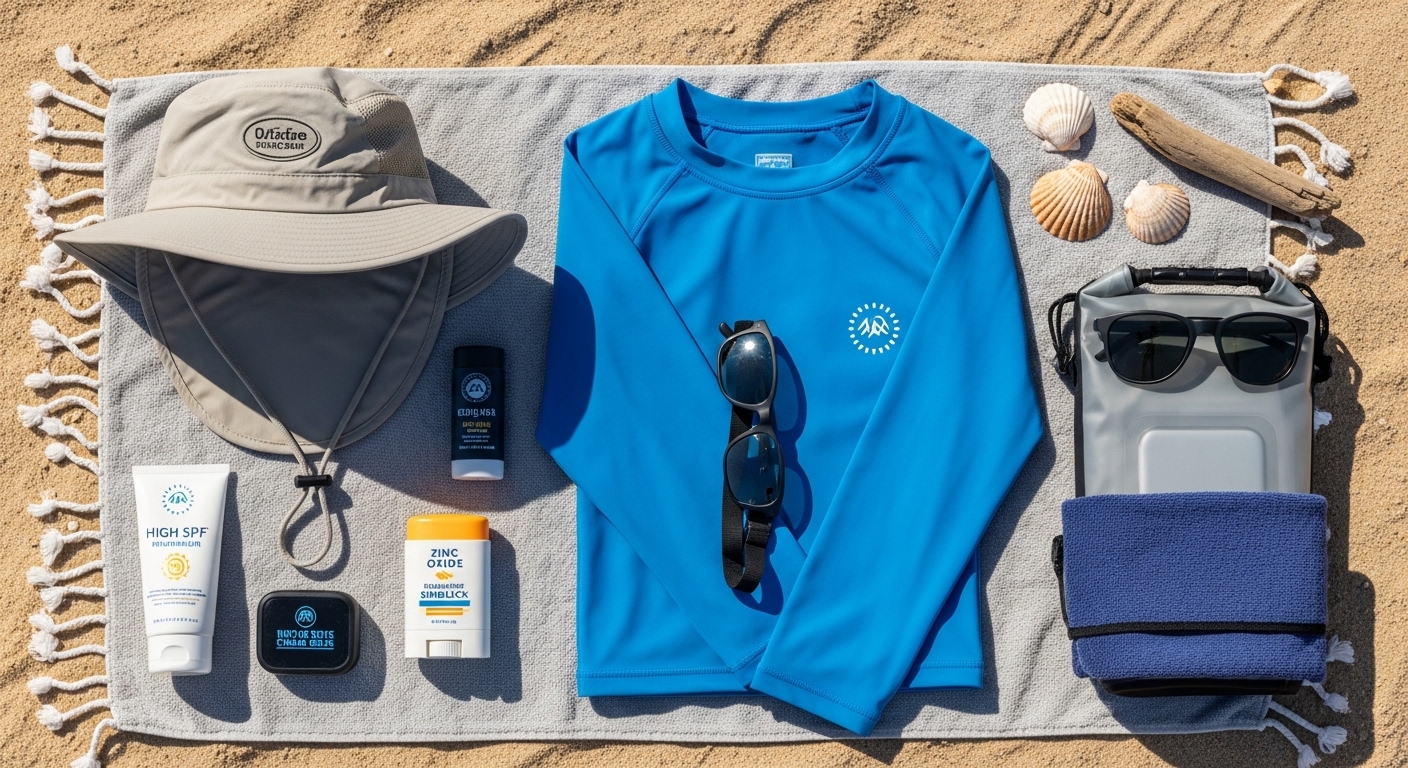
Rash guards, surf hats, leggings, polarized sunglasses, and wetsuits provide optimal sun protection. Select UPF 50+ fabrics that block over 98% of UV rays. Choose accessories that are sturdy, comfortable, and secure even in powerful waves for all-day coverage.
UPF-rated clothing physically blocks UV rays better than sunscreen alone, especially on shoulders, backs, and face. A well-fitted rash guard is non-negotiable. Paddle hats with chin straps don’t fly off. Surf leggings or boardshorts prevent thigh burns. While in the lineup, a full wetsuit offers unmatched cover—just beware of overheating in tropical waters. Don’t forget sunglasses post-session; reflected glare burns eyes fast.
Why is reef-safe sunscreen important for surf trips?
Reef-safe sunscreen helps protect delicate marine ecosystems by avoiding harmful chemicals like oxybenzone and octinoxate. These ingredients can damage coral reefs and marine life. By packing only reef-safe options, you’re safeguarding both your skin and the places you travel to surf.
Many mainstream sunscreens wash off in the water, introduce toxins, and contribute to coral bleaching. Some destinations even legally ban non-reef-safe products. Choose formulas labeled “reef-safe” or “ocean-friendly.” Mineral sunscreens containing non-nano zinc oxide or titanium dioxide are most widely accepted. Always double-check local regulations before travel.
How should you pack and store sun protection gear on a surf trip?
Pack sun protection gear in waterproof, organized pouches within your surf bag. Use a dry bag or lined compartment for liquids. Keep hats, rash guards, and sunscreen easily accessible for touch-ups or session changes, and store backups in your main luggage.
- Place sunscreen and lotions in leak-proof travel bottles.
- Store these upright in a ziplock or toiletry pouch to prevent messes.
- Roll or fold rash guards, shirts, and hats for compact packing.
- Clip sunglasses and a reusable water bottle to the outside for quick grabs.
- Keep a dedicated “surf session” pouch with your SPF lip balm and travel sunscreen.
This method keeps your surf trip packing checklist for sun protection organized and hassle-free throughout your journey.
What are common mistakes surfers make with sun protection gear?
Common mistakes include using old or expired sunscreen, skipping reapplication, neglecting lips and ears, forgetting reef-safe formulas, and not wearing protective clothing. Failing to pack backups or underestimating water reflection can lead to painful burns and ruined surf sessions.
Sun safety is about covering all the details. Don’t rely on a single item: layer defenses. Bring extra sunscreen in case your main tube gets lost, and check all expiration dates—a common error that renders your protection useless. Avoid false security from overcast days, as UV rays still penetrate clouds. Never overlook after-sun lotion—recovery is part of protection.
How does sun protection gear differ between tropical and temperate surf destinations?
In tropical locations, prioritize lighter UPF clothing, reef-safe sunscreen, wide-brimmed hats, and hydration to combat intense sun and heat. For temperate zones, focus on full wetsuits, thicker rash guards, and strong SPF as UV can still cause burns even in cooler weather.
Tropical sun is more direct, and UV exposure much higher, meaning frequent sunscreen and looser coverage clothing work best. In temperate climates, wind and cool air can mask sunburn risk—don’t skip lip balm or skip covering hands and feet. Always adapt your packing checklist for sun protection to your destination’s conditions, not just its temperature.
Which sun protection products are best for sensitive skin or kids?
For sensitive skin or kids, choose fragrance-free, mineral-based, hypoallergenic sunscreens with non-nano zinc oxide or titanium dioxide. Use soft, long-sleeve rash guards, hats with neck flaps, and SPF lip balms formulated for children for complete coverage and greater comfort.
Chemical-based sunscreens can cause rashes or stinging for sensitive types. Mineral formulas are less likely to irritate, and rash guards reduce the area you need to apply product. Look for pediatrician-tested brands and avoid sprays for young kids, as inhalation is a risk. Always patch test new products. If your child will be in the surf for several hours, pack extra gear and make sun protection fun—a hat with their favorite color or theme often helps!
How do different types of sun protection gear compare for surf travel?
Different sun protection gear varies in coverage, convenience, water resistance, and suitability for changing surf conditions. Consult this comparison to find what best complements your surf trip packing checklist sun protection strategy.
| Gear Type | Protection Level | Water Resistance | Best Use | Convenience |
|---|---|---|---|---|
| Sunscreen (Mineral Cream) | High (SPF 50+) | Excellent | All exposures, face & body | Requires reapplication |
| Rash Guard (UPF 50+) | Very High | Permanent | Torso, arms, kids | Very easy |
| Surf Hat | Moderate | Good | Face, scalp, ears | Hands-free |
| Polarized Sunglasses | Moderate | Not for surfing | Before/after sessions | Very easy |
| SPF Lip Balm | High (small area) | Good | Lips, nose tip | Pocket-sized |
Conclusion: Why is a sun-smart surf trip packing checklist vital?
Creating a surf trip packing checklist for sun protection goes beyond just avoiding burns—it’s about health, performance, and respecting the ocean. By planning ahead, you shield your skin, maintain your energy, and avoid post-trip regrets. Make sun protection gear your top packing priority and you’ll enjoy every wave, safely and confidently. Ready to update your checklist? Protect your surf adventures—pack sun smart and ride longer!
Don’t let the sun cut your session short. Invest in quality, stay consistent, and share your own sun protection tips in the comments below!
FAQ: Surf Trip Packing Checklist Sun Protection
What SPF is best for surfing in tropical destinations?
SPF 50+ is ideal for surfing in tropical destinations. It provides a stronger barrier against intense UVB rays. Always apply a generous layer of broad-spectrum, water-resistant, reef-safe sunscreen before entering the water, and reapply at least every two hours or after heavy sweating.
Can I use regular sunscreen for surfing?
Most regular sunscreens wash off quickly in water and may contain chemicals harmful to reefs. Opt for water-resistant, surf-specific, or mineral-based sunscreen labeled “reef-safe” for optimal protection and environmental responsibility.
How often should I reapply sunscreen while surfing?
Reapply sunscreen every 80–120 minutes, or immediately after toweling dry, swimming, or heavy sweating. Even water-resistant formulas break down over time. Frequent reapplication minimizes risk of burns, especially in high-UV environments.
How do I prevent sunburn on my scalp while surfing?
Wear a surf hat with a chin strap, apply sunscreen to your part and hairline, or use headbands and bandanas. Scalp burns are common in surfers; hats provide the best hands-free and water-friendly protection.
Which sun protection gear is easiest to pack?
Travel-size sunscreen sticks, rash guards, SPF lip balms, and foldable surf hats are compact and lightweight. Store your essentials in waterproof pouches for quick access. Multi-use products, like moisturizer with SPF, also save valuable luggage space.
Are there sun-protective wetsuits?
Yes! Most wetsuits naturally block UV rays, especially full suits. However, use extra sunscreen on exposed areas like the neck, face, and hands. Look for wetsuits labeled with UPF ratings for additional verified sun protection.
What’s the best sun protection gear for long surf expeditions?
Layer UPF-rated clothing, bring ample reef-safe sunscreen, a sturdy surf hat, hydration system, and soothing after-sun lotion. For multi-day boat trips, double up on essentials to avoid running out. A smart surf trip packing checklist for sun protection is crucial for endurance and safety.
Read More Also: How Telescopic Fishing Rod Combos Make Travel Fishing Easier
Find out: The Benefits of Having a Local Car Accident Lawyer Near Me Represent You




Leave a Reply